
Introduction
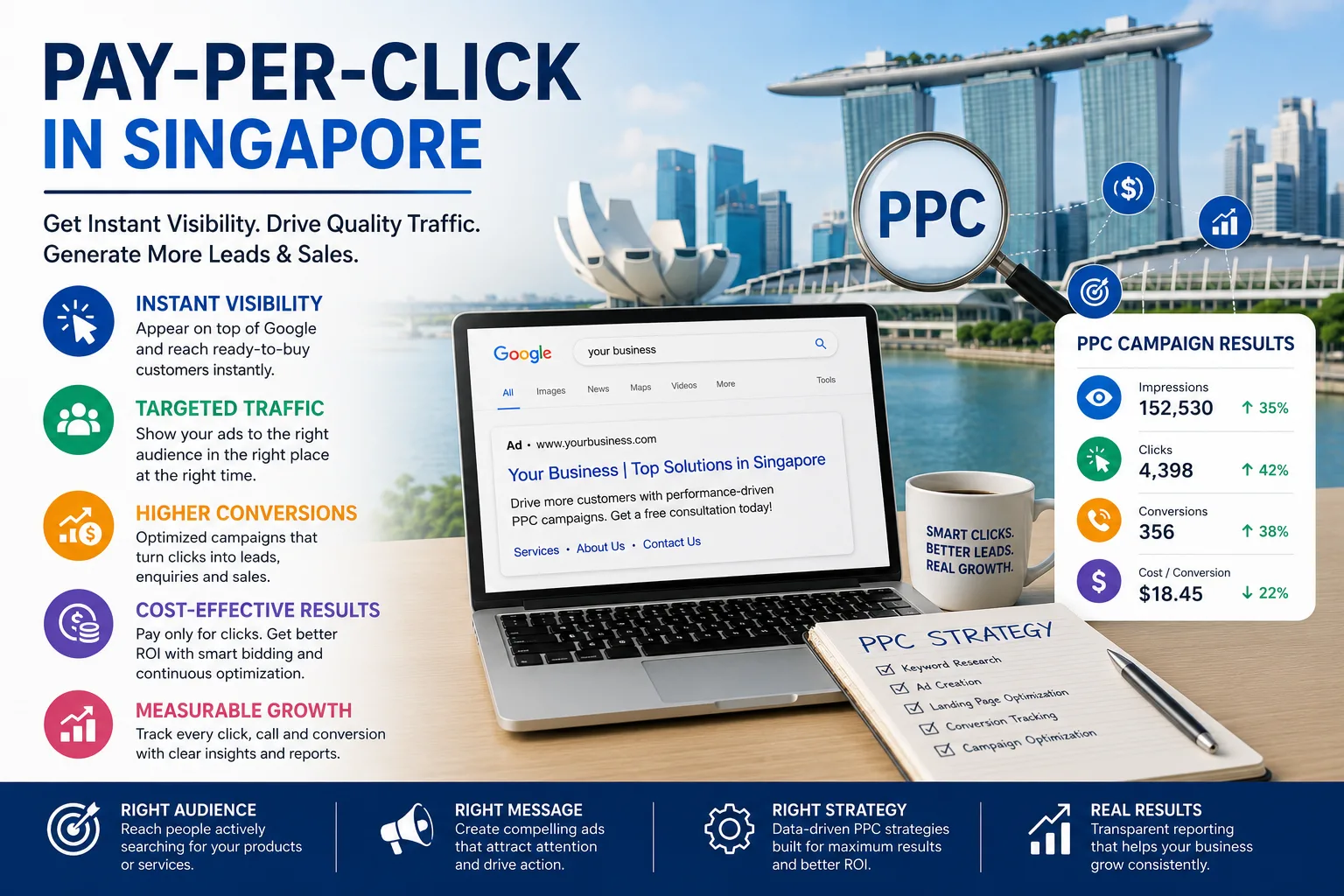
Pay-per-click advertising is appealing precisely because it's fast: a campaign can start driving traffic the same day it launches, unlike SEO, which takes months to show movement. That speed is also why PPC budgets leak faster than businesses realise, since a poorly configured campaign can burn through spend just as quickly as a well-configured one drives results.
What PPC Actually Buys
A pay-per-click campaign buys placement in an auction, not a guaranteed outcome. Advertisers bid on keywords or audience segments, pay per click rather than per impression, and the platform decides ad placement based on bid amount combined with relevance and expected performance. That auction structure means the same budget can produce very different results depending on how tightly the campaign is targeted, which is where most of the wasted spend actually comes from.
Where the Money Actually Leaks
- Broad match keywords pulling in searches only loosely related to what's being sold
- No negative keyword list, so irrelevant queries keep triggering paid clicks
- A landing page that doesn't match what the ad promised, which tanks conversion rate after the click is already paid for
- No conversion tracking in place, which turns every budget decision into a guess rather than a measurement
Why PPC and SEO Work Better Paired Than Alone
Paid search data tends to validate SEO targets faster than SEO can on its own, since PPC surfaces which keywords actually convert within days rather than the months organic ranking movement takes to show up. Services like SEM management that treat paid and organic search as connected rather than run in isolation are generally better positioned to catch this, and channels like display advertising can extend the same targeting logic beyond search results entirely.
Why This Matters More in a Compact Market Like Singapore
Singapore's geography compresses "near me" search behaviour further than it does in larger countries. Businesses in neighbouring districts are often competing for the same local searches in a way that's less pronounced somewhere with more physical distance between competitors, which puts more weight on getting the local-specific details right rather than treating them as an afterthought to a general SEO plan.
Conclusion
PPC isn't expensive because the clicks cost money, it's expensive when the clicks it buys aren't the right ones. Most of the budget lost in a Singapore PPC campaign traces back to targeting and tracking gaps that are visible in the account data well before the spend becomes a problem, provided someone is actually looking.