
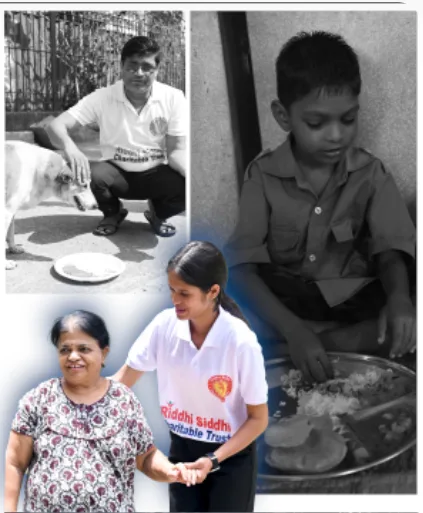
The digital revolution has transformed the way people contribute to charitable causes. Today, online donation NGO India platforms have made it easier than ever for individuals to support social initiatives from anywhere in the world. Whether helping underprivileged children, supporting elderly care, providing disaster relief, or funding education programs, online giving has become a convenient and transparent method of making a positive impact.
The Growth of Digital Giving in India
India has witnessed a significant rise in digital transactions over the last decade. The widespread adoption of smartphones, internet connectivity, and secure payment gateways has encouraged people to donate online. According to various industry reports, digital philanthropy in India has grown steadily, with a large percentage of donors preferring online payment methods over traditional cash contributions.
The convenience of making donations through websites, mobile applications, and digital payment platforms has played a major role in this growth. Donors can contribute within minutes without visiting a physical office or attending fundraising events.
Why Online Donations Are Becoming Popular
Several factors have contributed to the increasing popularity of online donations:
1. Convenience
One of the biggest advantages is the ability to donate anytime and from anywhere. Donors can support causes they care about using their smartphones, tablets, or computers.
2. Transparency
Many charitable organizations provide detailed information about their projects, funding requirements, and impact reports. This transparency helps donors understand how their contributions are being utilized.
3. Secure Payment Options
Modern payment gateways offer multiple secure methods, including debit cards, credit cards, net banking, UPI, and digital wallets. Advanced encryption technologies help protect donor information and transactions.
4. Faster Fund Collection
Digital contributions are processed instantly, enabling organizations to access funds quickly during emergencies such as natural disasters, medical crises, or humanitarian relief efforts.
Causes Commonly Supported Through Online Donations
Online donations help support a wide range of social and humanitarian initiatives, including:
- Education for underprivileged children
- Healthcare assistance for vulnerable communities
- Food distribution programs
- Elderly care and senior citizen support
- Women empowerment projects
- Child welfare initiatives
- Environmental conservation programs
- Disaster relief and rehabilitation efforts
- Animal welfare services
- Community development projects
These initiatives address critical social challenges and contribute to long-term community development.
How to Choose a Trustworthy NGO
Before making a contribution, donors should evaluate an organization carefully. Some important factors to consider include:
Registration and Compliance
Verify that the organization is legally registered and complies with relevant regulations. This ensures legitimacy and accountability.
Financial Transparency
Review annual reports, audited financial statements, and project updates whenever available. Transparent organizations are more likely to build donor trust.
Impact Reporting
Look for evidence of measurable outcomes. Organizations that regularly share success stories and impact assessments demonstrate responsible fund utilization.
Secure Donation Process
Ensure the website uses secure payment protocols and encrypted transaction systems to protect personal and financial information.
Donor Support
Reliable organizations usually provide donation receipts, acknowledgments, and channels for donor communication.
Benefits of Supporting NGOs Digitally
Online giving offers advantages for both donors and charitable organizations.
For Donors
- Quick and hassle-free contribution process
- Access to multiple payment methods
- Ability to support causes across geographic locations
- Easy tracking of donation records
- Greater confidence through transparent reporting
For NGOs
- Reduced administrative costs
- Faster fundraising campaigns
- Wider reach to national and international supporters
- Improved donor engagement
- Better campaign monitoring and analytics
The Role of Technology in Philanthropy
Technology continues to reshape charitable giving. Artificial intelligence, data analytics, mobile applications, and automated donation systems are helping organizations reach more donors and improve operational efficiency.
Social media platforms also play a major role in awareness generation. Fundraising campaigns can quickly gain visibility, encouraging community participation and increasing support for social causes.
Recurring donation systems have further strengthened philanthropy by allowing supporters to contribute regularly. These ongoing contributions help organizations plan long-term projects and maintain sustainable operations.
The Future of Online Giving in India
As digital literacy and internet access continue to expand, online philanthropy is expected to grow even further. Younger generations are increasingly embracing digital giving as part of their social responsibility. The integration of innovative technologies and secure payment systems will likely make charitable contributions more accessible, transparent, and impactful.
The future of social development will depend heavily on collaboration between individuals, organizations, and technology-driven platforms. By supporting genuine charitable initiatives, donors can contribute to meaningful change and help build stronger, healthier, and more inclusive communities across the country.
Conclusion
Online donations have transformed the charitable landscape by making giving simple, secure, and accessible. With increased transparency, improved technology, and growing public awareness, digital philanthropy is empowering people to support important social causes more effectively than ever before. Thoughtful contributions, combined with informed decision-making, can create lasting positive change and strengthen the efforts of organizations working for the welfare of society.