The Price Surge That Changed the Game
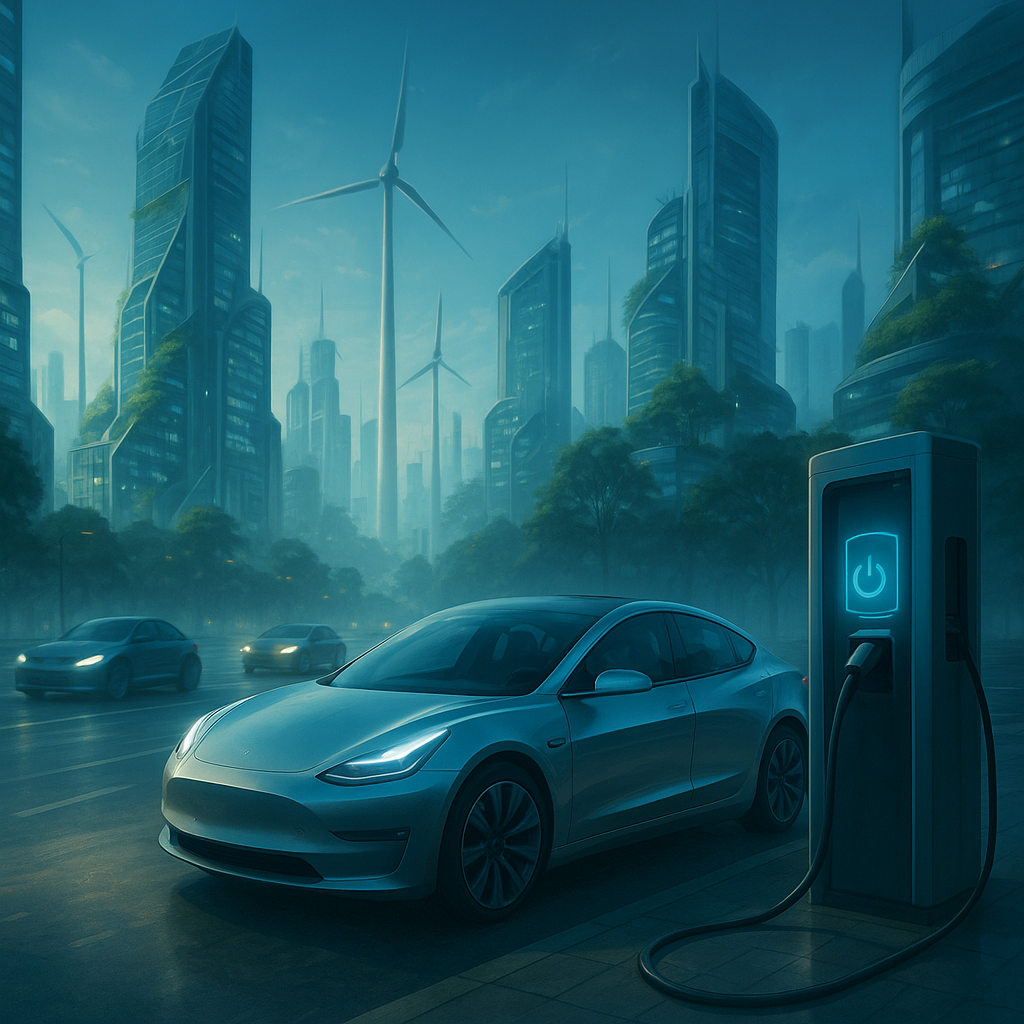
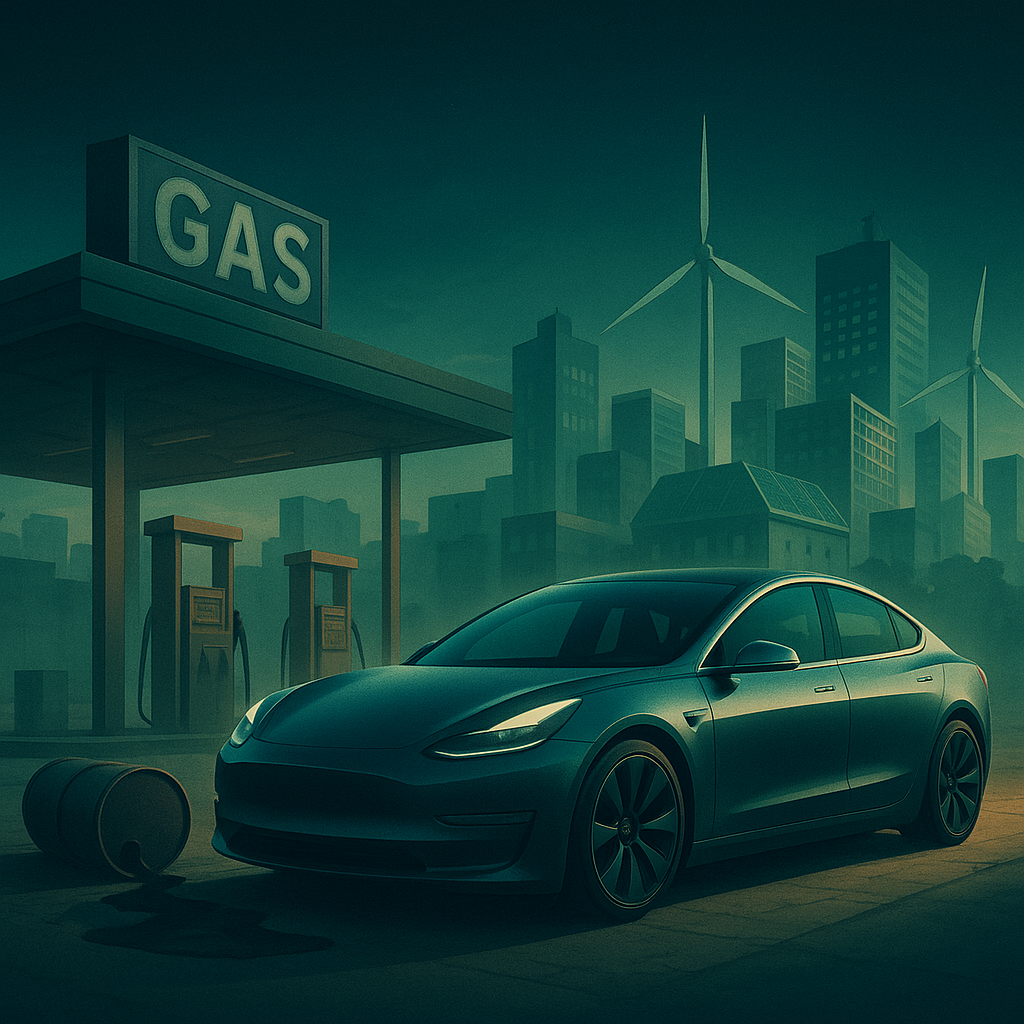
In early 2026, global oil prices surged past $150 a barrel, marking the highest levels in over a decade. This spike, triggered by a confluence of geopolitical tensions in the Middle East and supply chain disruptions from unexpected refinery shutdowns, sent shockwaves through the automotive and energy sectors. At gas stations worldwide, consumers faced record fuel prices that suddenly made electric vehicles (EVs) not just an environmental choice but an economic necessity. This rapid escalation in oil costs has catalyzed a dramatic shift in consumer behavior and industry priorities, accelerating the comeback of electric cars in a way analysts had not fully anticipated.
The palpable urgency brought by soaring fuel expenses has led to a surge in EV sales. Data from the International Energy Agency (IEA) shows global EV sales in Q1 2026 surged by 45% compared to the same period last year, with several markets doubling their EV market share. This resurgence is not merely about consumer preference but a strategic pivot, as automakers scramble to meet accelerating demand while facing pressure to reduce carbon emissions.
As the industry grapples with this rapid transformation, underlying challenges must be addressed—from supply chain bottlenecks in battery materials to infrastructure readiness. The current landscape compels us to reconsider the trajectory of automotive innovation and energy consumption.
Tracing the Road: From Oil Dominance to EV Revival
The decades-long dominance of oil as the primary fuel source for transportation has been challenged repeatedly, yet 2026 marks a pivotal moment. The world’s dependence on crude oil for mobility has historically created volatility in markets and geopolitics. The 2010s and early 2020s witnessed steady advances in EV technology, fueled by government subsidies, regulatory mandates, and growing environmental awareness. However, EV adoption was often tempered by fluctuating oil prices, which made gasoline vehicles economically competitive during periods of low fuel costs.
Between 2020 and 2025, the automotive sector underwent significant transformation. Battery costs fell by nearly 60%, and EV ranges improved substantially, making electric cars more accessible and practical. Still, the sector faced headwinds: supply chain constraints for lithium, cobalt, and nickel, alongside uneven charging infrastructure and consumer hesitancy in certain regions.
Oil shocks in the past, such as the 2008 crisis, spurred temporary interest in alternatives but lacked sustained momentum due to rapid market corrections. The current 2026 oil shock differs in its duration and scale, compounded by broader energy transition policies, making it a more durable catalyst for the EV resurgence.
Data-Driven Insights: How the Oil Shock Accelerates EV Adoption
The economics of transportation have shifted dramatically as a result of the oil shock. Key metrics illustrate this transformation:
- Cost per mile: The average cost to drive a gasoline vehicle has risen by 40% since late 2025, while the cost to operate an EV has dropped by 15%, thanks to advances in battery efficiency and cheaper renewable electricity.
- EV sales growth: The global EV market share hit 28% in Q2 2026, up from 18% a year earlier, with countries like Germany, China, and the United States leading the charge.
- Charging infrastructure expansion: Public charging stations worldwide increased by 35% year-over-year, with fast chargers growing at an even faster rate, improving accessibility.
- Automaker commitments: Over 20 major automakers have accelerated timelines to phase out internal combustion engines, now targeting 2035 or earlier for full EV lineups.
These figures underscore the systemic impact of oil price volatility on transportation choices. They also reveal how improvements in technology and infrastructure are synergistically enabling the shift toward electrification.
“The current oil shock is not just a price event; it’s a fundamental turning point that validates electric vehicles as the most viable alternative for consumers and industry alike,” said Dr. Maya Jensen, an automotive energy analyst at the Global Transport Institute.
2026 Developments: Market Responses and Policy Momentum
This year has witnessed a flurry of developments reflecting the intertwined dynamics of market forces and policy frameworks. Governments worldwide have introduced or expanded incentives to accelerate EV adoption, including increased subsidies, tax rebates, and mandates for zero-emission vehicle sales.
Notably, the European Union has unveiled its updated Green Mobility Package, which includes funding for widespread charging infrastructure and stricter emissions standards. The U.S. administration reinforced its commitment through the Clean Cars Act, providing $15 billion in grants to support EV manufacturing and infrastructure build-out.
Automakers have reacted swiftly:
- Tesla: Reported record deliveries in Q2 2026, with the launch of a new $25,000 model designed for mass-market affordability.
- Volkswagen: Increased EV production capacity at its Wolfsburg plant by 50%, aligning with the company’s target to become fully electric by 2030.
- Hyundai-Kia: Announced a strategic partnership with battery supplier LG Energy Solution to secure long-term supply amid rising demand.
Meanwhile, legacy oil companies are investing heavily in EV charging networks and renewable energy projects, recognizing the shifting tides. These moves signify a broader ecosystem adjustment that goes beyond vehicle sales to encompass energy generation and distribution.
“The industry’s pivot to electric is now irreversible. The oil shock has merely accelerated a transition that was already underway,” commented Elena Ruiz, CEO of Electric Mobility Partners.
Expert Perspectives and Industry Impact
Industry insiders emphasize that the oil shock has acted as a catalyst rather than a cause. The groundwork for EV growth was laid by technology innovation, regulatory pressure, and changing consumer values. However, the economic shock has brought urgency and scale previously unseen.
From a supply chain perspective, challenges remain significant. Critical minerals are in high demand, and securing ethical and sustainable sources is paramount. Battery recycling technologies are advancing but are not yet at the scale needed to fully alleviate raw material pressure.
Energy grids face new strains as EV charging demand grows. Investments in grid modernization, smart charging technologies, and vehicle-to-grid integration are essential to prevent bottlenecks and maintain reliability. These factors were highlighted in our recent analysis, Electric Cars Are Booming — But the Grid Isn't Ready.
Consumer acceptance is another vital element. The rapid price escalation of gasoline has shifted consumer calculus, but lasting adoption depends on continued improvements in vehicle affordability, range, and charging convenience.
Experts also point to the geopolitical implications. Reduced oil demand from transportation affects global oil producers, potentially altering international relations and economic dependencies. This strategic dimension adds complexity to the energy transition.
Future Outlook: What to Watch as the EV Comeback Accelerates
Looking ahead, several critical factors will shape the trajectory of electric vehicle adoption in the wake of the oil shock:
- Battery innovation: Breakthroughs in solid-state batteries and alternative chemistries could dramatically improve cost, range, and safety.
- Infrastructure investment: Expansion of ultra-fast charging networks and integration with renewable energy sources will be crucial to support mass adoption.
- Policy evolution: Governments may tighten emissions standards and phase out fossil fuel subsidies, reinforcing market incentives for EVs.
- Supply chain resilience: Diversifying sources for critical minerals and scaling recycling will be essential to prevent bottlenecks.
- Consumer education and incentives: Clear communication and financial incentives remain key to converting interest into purchases.
Automotive industry strategies must align with these elements to sustain momentum. The oil shock’s role may diminish over time, but the structural shift toward electrification appears irreversible.
For those interested in the detailed market implications, our prior reports Oil Shock Accelerates Electric Vehicles’ Surge Beyond Expectations and How The 2026 Oil Shock Ignited Electric Vehicles’ Rapid Revival provide comprehensive insights into this evolving story.
Case Studies: Regions Leading the Charge
Several regions illustrate how the oil shock is accelerating EV adoption on the ground:
- California, USA: With record-high gasoline prices and strong policy support, California’s EV market share reached 40% in mid-2026. The state’s extensive charging network and stringent emissions laws have created an environment conducive to rapid adoption.
- China: The world’s largest EV market saw a 50% increase in EV registrations in the first half of 2026. Local manufacturers like BYD and NIO expanded production capacity, supported by government incentives and urban emission controls.
- Germany: Facing energy security concerns, Germany accelerated investment in green hydrogen and EV infrastructure. The government’s Green Mobility Package has been pivotal in boosting consumer confidence and industry investment.
These examples underscore how market dynamics, policy environments, and consumer behavior intersect to drive the EV comeback. They also highlight the importance of coordinated efforts across sectors to sustain growth.
“Regions that combine supportive policies with infrastructure and consumer engagement will lead the global transition to electric mobility,” stated Dr. Lars Becker, head of sustainable transport at the European Energy Forum.
As the oil shock reshapes automotive markets, stakeholders must learn from these successes and challenges to build resilient, sustainable transportation systems.