Charging Ahead: The Electric Car Surge and Its Hidden Challenge
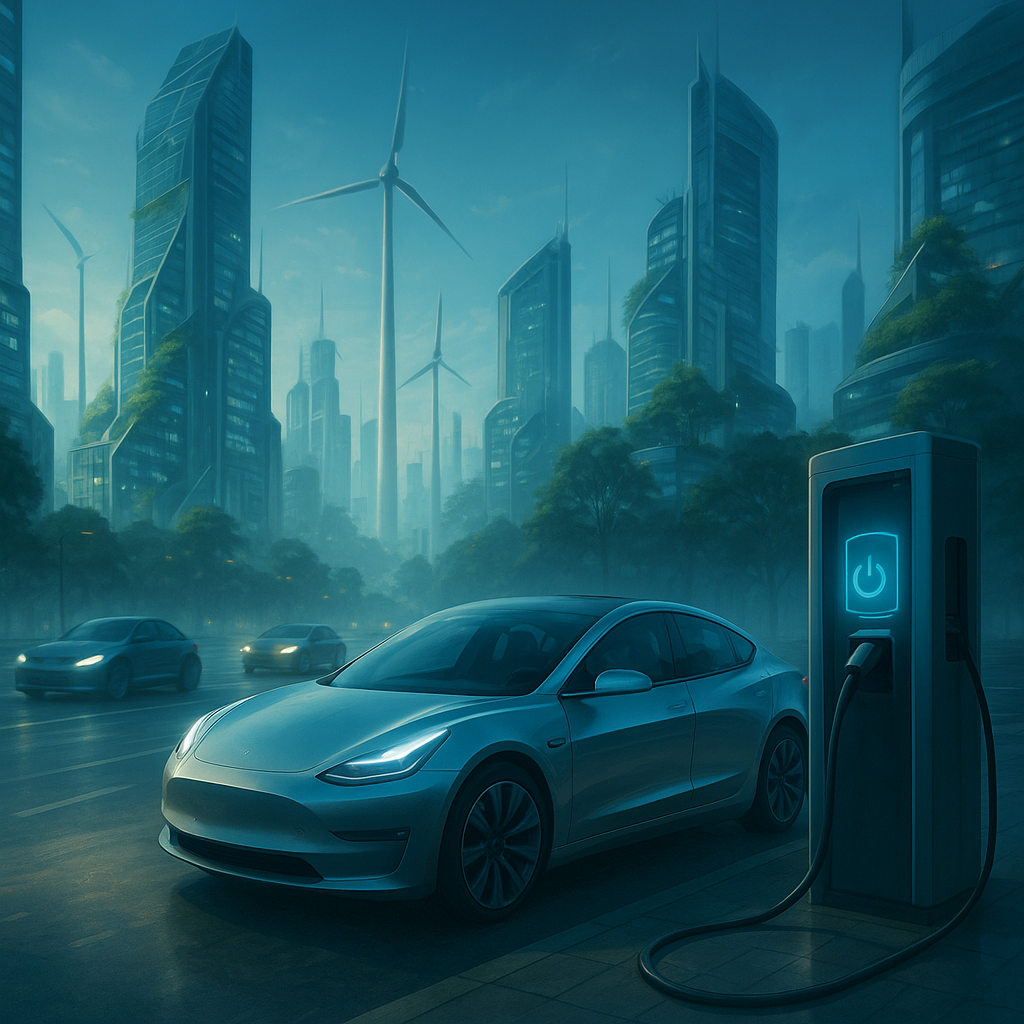
On a brisk spring morning in Tokyo, a line of sleek electric vehicles (EVs) waits patiently at a charging station, some plugged in, others queued up. This scene, once rare, has become emblematic of a global shift. In 2026, electric cars represent over 45% of new car sales worldwide, a staggering rise from just 10% in 2020, according to the International Energy Agency. However, this rapid adoption reveals a looming crisis that threatens to stall progress: the electricity grid is struggling to keep pace.
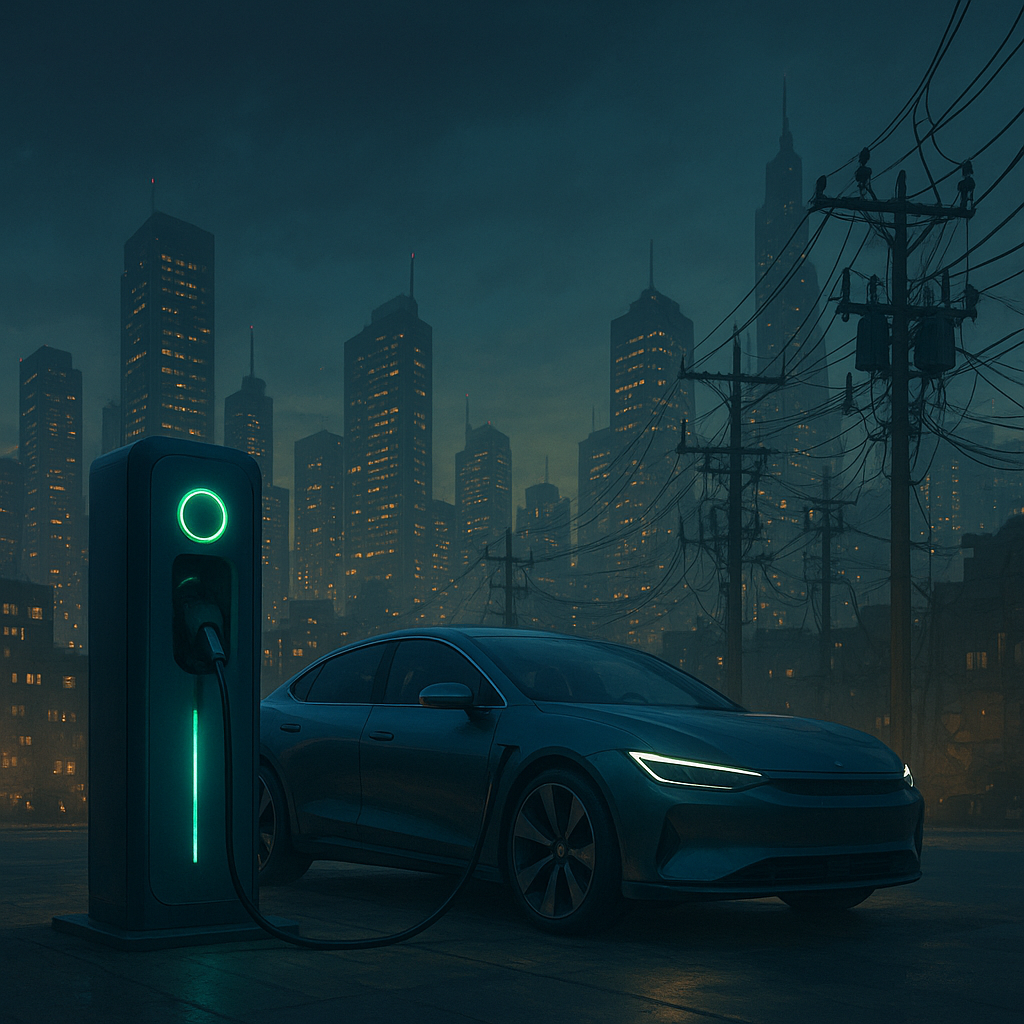
Demand for EVs is exploding, driven by regulatory pressure, enhanced battery technologies, and consumer demand for cleaner mobility. Yet, the infrastructure to support this new fleet, especially the power grid, has not evolved at the same speed. This disconnect is more than an inconvenience; it is a systemic challenge with potential to reshape automotive markets and energy policies globally.
“The current electricity grids were never designed to handle the concentrated loads caused by millions of EVs charging simultaneously,” warns Dr. Helena Ruiz, a leading energy systems analyst. “Without significant investment and smart management, we risk outages, increased emissions, and stalled EV adoption.”
This article explores the multifaceted dynamics behind the EV boom, the current state of power grids in major markets, technological innovations attempting to bridge the gap, and what this means for the future of cars and energy alike.
From Horsepower to Kilowatts: How We Arrived at This Inflection Point
The automotive industry’s journey from the internal combustion engine (ICE) to electric propulsion is one of the most transformative chapters in modern transportation history. The early 20th century saw gasoline-powered cars dominate, but concerns over climate change, urban air pollution, and fossil fuel reliance sparked a gradual pivot.
Government mandates for emission reductions, such as the European Union’s stringent CO2 targets and California’s zero-emission vehicle regulations, catalyzed investments in EV technology. Simultaneously, battery advances—especially in lithium-ion chemistry—delivered longer ranges, faster charging, and lower costs. By 2025, several major automakers, including Tesla, Volkswagen, and Hyundai, committed to phasing out ICE models entirely within the next decade.
This acceleration is not merely technological but cultural. Consumer perceptions have shifted dramatically, with EVs becoming symbols of innovation and environmental responsibility. Yet, this rapid growth strains legacy systems. Power grids, designed decades ago for predictable, centralized loads, now face unprecedented demands.
The challenge is compounded by regional disparities. While countries like Norway and the Netherlands boast EV market shares above 70%, emerging economies lag behind due to infrastructure and economic barriers. This uneven adoption further complicates grid modernization strategies.
Grid Under Pressure: Data and Comparisons
Understanding the grid challenge requires quantifying the impact of EV charging on electrical infrastructure. The U.S. Department of Energy reports that a single EV adds an average of 30 kWh per day to grid demand. Multiply that by the projected 150 million EVs on U.S. roads by 2030, and the incremental load approaches 4.5 terawatt-hours daily—roughly 13% of the country’s current electricity consumption.
Globally, the International Energy Agency estimates that the electricity demand from EVs will increase by 6,000 terawatt-hours annually by 2030. This surge threatens to overload distribution transformers, increase peak demand, and exacerbate grid instability.
Consider California, a pioneer in EV adoption, where peak electricity demand is already stressed by heatwaves and wildfires. Utilities have reported localized outages and voltage fluctuations correlated with concentrated EV charging in residential neighborhoods. Similar trends are emerging in Europe and East Asia.
- Peak Load Increases: EV charging during evening hours coincides with existing residential peak loads, amplifying stress on the grid.
- Transformer Overloads: Neighborhood transformers, designed for traditional load profiles, risk overheating and failure due to EV clusters.
- Carbon Emissions Paradox: Without grid upgrades, increased fossil fuel-based electricity generation to meet EV demand can offset emissions benefits.
Countries with more renewable energy penetration face additional challenges of managing intermittent supply alongside fluctuating EV demand. Smart grid technologies and demand response programs are essential but currently underutilized.
For a deeper dive into the dynamics of electric vehicles shaping transportation, readers can explore Why Electric Cars Are Becoming the Only Smart Choice on the Road and The State of Cars in 2026: Innovation, Sustainability, and Market Dynamics for comprehensive analyses.
2026 Developments: Innovations and Infrastructure Projects
This year has seen significant advances and initiatives aimed at mitigating grid stress while supporting EV growth. Key among these are:
- Vehicle-to-Grid (V2G) Technologies: Several pilot programs in Japan, South Korea, and Germany have demonstrated how EVs can feed electricity back to the grid during peak demand, effectively acting as distributed energy storage.
- Smart Charging Networks: Utilities and tech companies are deploying AI-driven charging stations that optimize charging times based on grid load, renewable generation, and user preferences.
- Grid Expansion and Modernization: Massive investments are underway to upgrade transformers, build new substations, and expand transmission lines, notably in the U.S. and China.
- Renewable Integration: Coupling EV charging with solar and wind farms is increasing, reducing the carbon footprint of charging and smoothing demand curves.
Moreover, automakers are innovating in battery technology to reduce charging times and improve energy density, indirectly lessening grid load by shortening connection duration. Companies like Quantum Motors and VoltaDrive have unveiled solid-state batteries capable of 80% charge in under 10 minutes.
“The synergy between smart grids and advanced batteries will define the EV ecosystem’s sustainability and scalability,” says Prof. Lars Mikkelsen, an energy policy expert.
Despite these advances, challenges persist. Regulatory frameworks have yet to fully incentivize grid-friendly EV behaviors, and many regions still lack the capital for comprehensive infrastructure upgrades.
Industry Voices and Market Impact
The automotive and energy sectors are increasingly intertwined, each influencing the other's trajectory profoundly. Executives from leading companies emphasize collaboration and innovation as vital pathways forward.
Mary Chen, Chief Sustainability Officer at Horizon Auto, remarks, “Our commitment to electrification goes hand-in-hand with partnerships in energy. The future is integrated—cars, grids, and renewables must evolve together.”
Automakers face a dual challenge: meeting consumer demand for EVs while ensuring these vehicles can be charged reliably and sustainably. Failure to address grid constraints risks customer dissatisfaction and market slowdowns.
Utilities, meanwhile, are caught between increasing demand and the need to decarbonize. The pressure to modernize grids is compounded by regulatory scrutiny and the need to manage increasingly complex load patterns.
Investments in smart grid technology, distributed energy resources, and consumer engagement programs are reshaping how energy is produced, distributed, and consumed. This transition is also spawning new business models, such as energy-as-a-service and peer-to-peer energy trading, which leverage EVs as mobile energy assets.
- Automaker Initiatives: Over 70% of the top 20 global car manufacturers have launched dedicated energy subsidiaries or partnerships.
- Utility Adaptation: Nearly 60% of large utilities have invested in EV-focused grid modernization projects in the past 3 years.
- Policy Evolution: Governments across North America, Europe, and Asia have introduced incentives for off-peak charging and V2G participation.
The interplay between these forces defines the current market landscape, where automotive innovation and grid modernization are inseparable.
Looking Forward: Navigating the Road to a Sustainable EV Future
What lies beyond the immediate challenges? Experts agree that the transition to a fully electrified transportation system requires a holistic approach encompassing technology, policy, and consumer behavior.
Key areas to watch include:
- Grid Digitization: Advanced sensors, AI algorithms, and blockchain could enable real-time grid balancing and transparent energy transactions.
- Battery Recycling and Second-Life Use: As the first generation of EV batteries retire, circular economy models will reduce environmental impact and resource demand.
- Urban Planning and Charging Infrastructure: Integrating EV charging into building codes, public transit hubs, and commercial centers will improve accessibility and grid load distribution.
- Consumer Education and Engagement: Empowering drivers with real-time energy data and incentives can shift charging to off-peak hours, alleviating grid stress.
While the grid’s current limitations pose a significant hurdle, they also present an opportunity for innovation and collaboration. The automotive sector’s trajectory will increasingly depend on how well it integrates with energy systems and how governments, utilities, and consumers adapt.
“The EV revolution is just beginning. Its success will be measured not only by vehicles on the road but by the resilience and intelligence of the energy systems that support them,” concludes Dr. Ruiz.
For further insights on automotive innovation and industry shifts, readers should consider Cars in 2026: Innovations, Industry Shifts, and Future Roadmaps and 6 Cars That Are Redefining Driving in 2026: Performance, Tech, and Style.