Social welfare organizations play a vital role in improving the lives of underprivileged individuals and creating opportunities for sustainable development. An NGO in Mira Road contributes significantly to social welfare activities by addressing various issues such as education, healthcare, women’s empowerment, child welfare, elderly care, and environmental protection. These organizations work closely with local communities to identify challenges and implement practical solutions that benefit society.
The Importance of Non-Governmental Organizations
Non-governmental organizations serve as a bridge between communities and resources. Their primary objective is to improve the quality of life of vulnerable groups by providing support, awareness, and essential services. They operate independently and focus on addressing social problems that often require immediate attention.
These organizations play an important role in reducing inequalities and promoting social inclusion. Through various welfare initiatives, they create opportunities for individuals who may otherwise struggle to access education, healthcare, or livelihood support.
Education and Child Welfare
Education remains one of the most significant areas of social work. Many organizations conduct educational programs for children from economically weaker backgrounds. These initiatives may include:
- Free tutoring classes
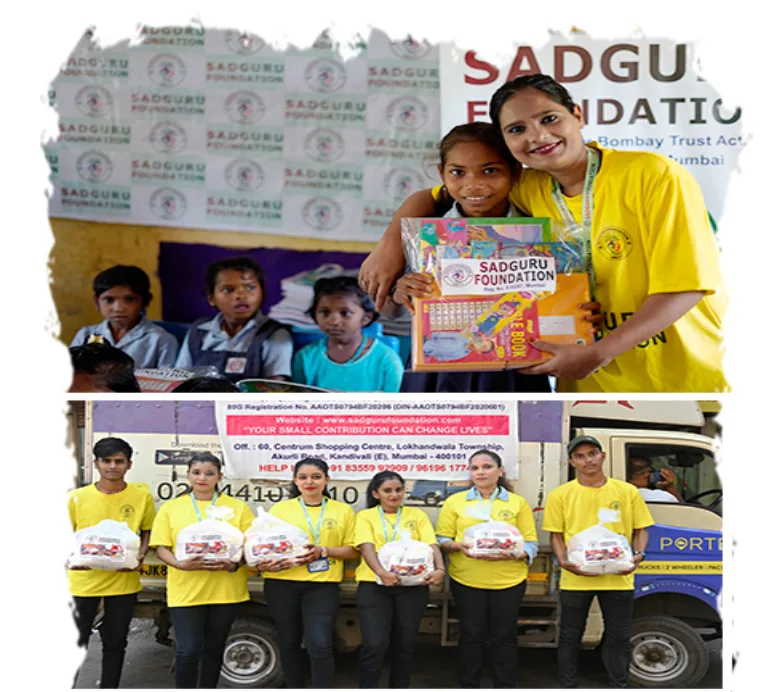
- Distribution of study materials
- Scholarship support
- School enrollment drives
- Career guidance programs
Child welfare programs also focus on nutrition, healthcare, and protection from abuse or exploitation. By ensuring access to education and a safe environment, social organizations help build a stronger future generation.
Healthcare and Medical Assistance
Healthcare support is another important aspect of community welfare. Many organizations organize medical camps, health awareness programs, vaccination drives, and preventive healthcare initiatives.
Common healthcare activities include:
- Free health check-up camps
- Blood donation drives
- Awareness programs on hygiene and sanitation
- Support for patients requiring medical treatment
- Distribution of medicines and healthcare supplies
Such programs help underserved populations receive essential healthcare services that may otherwise remain inaccessible.
Women Empowerment Initiatives
Women empowerment has become a major focus area for social organizations. Programs are designed to improve economic independence, education, and social awareness among women.
These initiatives often include:
- Skill development training
- Vocational education
- Self-help groups
- Financial literacy workshops
- Awareness regarding legal rights
By encouraging women to participate in economic and social activities, these programs contribute to overall community development.
Support for Senior Citizens
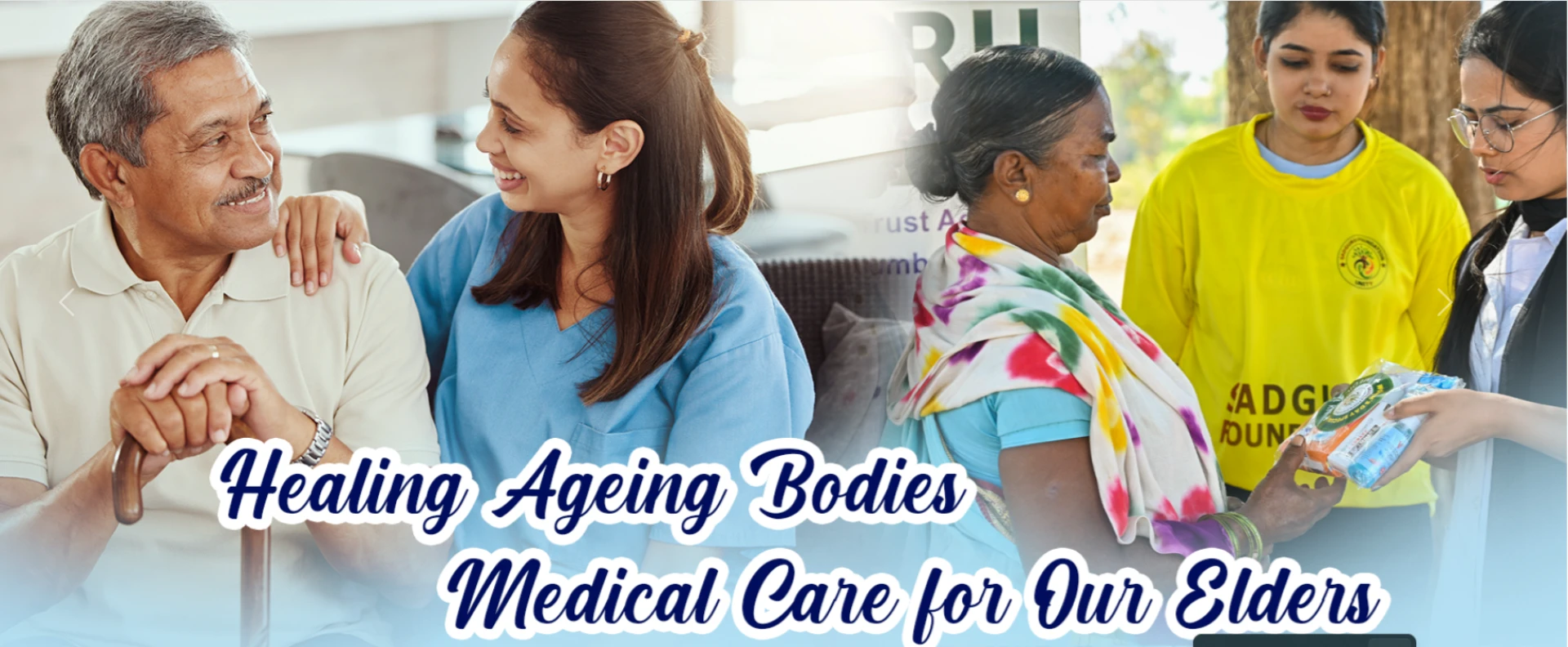
The growing elderly population requires special attention and care. Many social organizations provide assistance to senior citizens through healthcare services, emotional support, and recreational activities.
Programs for older adults may include:
- Health monitoring camps
- Counseling services
- Social engagement activities
- Nutrition support
- Assistance with daily needs
Such efforts help improve the physical and emotional well-being of elderly individuals.
Environmental Awareness and Sustainability
Environmental protection has become increasingly important in modern society. Many organizations conduct awareness campaigns and activities aimed at preserving natural resources.
Common environmental initiatives include:
- Tree plantation drives
- Waste management awareness
- Cleanliness campaigns
- Water conservation programs
- Plastic reduction initiatives
These activities encourage communities to adopt sustainable practices and protect the environment for future generations.
Community Development Programs
Community development involves improving living conditions and promoting social participation. Organizations often conduct programs that focus on livelihood generation, disaster relief, and social awareness.
These efforts may include:
- Distribution of essential supplies during emergencies
- Skill training programs
- Rural development initiatives
- Awareness campaigns on social issues
- Support for marginalized communities
Such programs strengthen community bonds and promote collective growth.
Volunteer Participation and Social Responsibility
Volunteers play a significant role in the success of social initiatives. Individuals from different backgrounds contribute their time, skills, and resources to support various causes.
Volunteer activities may involve:
- Teaching children
- Organizing events
- Assisting in medical camps
- Participating in awareness drives
- Supporting fundraising activities
Active community participation enhances the effectiveness of welfare programs and encourages a culture of social responsibility.
Conclusion
Social organizations continue to make meaningful contributions to society by addressing critical issues related to education, healthcare, women empowerment, senior citizen care, and environmental protection. Their efforts help build stronger communities and improve the quality of life for vulnerable populations. Through collective participation and dedicated social initiatives, communities can achieve long-term development and create a more inclusive and compassionate society.