Starting with a Scene: The First Day on Campus
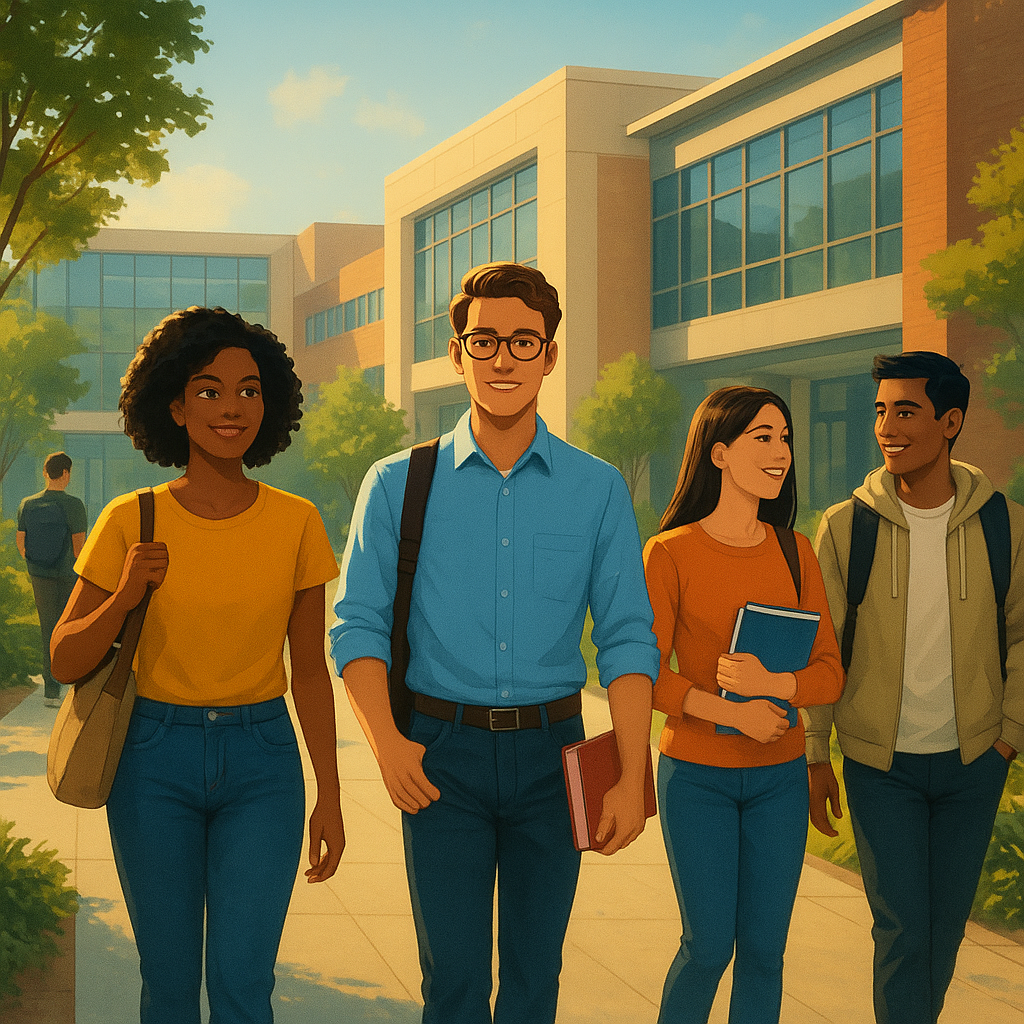
Imagine stepping out of your car or bus on a sprawling university campus bustling with thousands of students, each carrying their own hopes, fears, and expectations. The energy is palpable—students rush to find classrooms, orient themselves, or simply soak in the new environment. For many beginners, this first day marks a profound transition from the structured world of high school to the self-directed realm of higher education. However, beneath the excitement lies a complex web of academic, social, and logistical challenges that can overwhelm even the most prepared.
According to recent surveys, nearly 40% of first-year students report feeling anxious about managing their new responsibilities, while 25% struggle with time management during their initial semester. This emotional landscape sets the stage for why a comprehensive guide to university life remains vital. Understanding the nuances of university culture, academic expectations, and support systems can dramatically improve student outcomes and satisfaction.
“The shift to university is not simply academic—it’s a holistic life change that requires adaptability, resilience, and strategic planning,” explains Dr. Elaine Foster, a higher education psychologist at the University of Michigan.
As we explore this beginners guide, the goal is to equip new students with actionable knowledge to confidently navigate their university journey, informed by current trends and expert insights.
Historical Context: How University Education Evolved to Today’s Model
The university experience of 2026 is the product of centuries of transformation. Historically, universities began as elite institutions focused on classical education for society’s upper echelons. Over time, expanding industrialization and democratization of education broadened access to diverse populations and disciplines.
In the 20th century, the rise of mass education systems introduced new challenges and opportunities, with universities evolving to serve not only as knowledge centers but as social mobility engines. The post-World War II era saw marked expansion globally, driven by government funding and the GI Bill in the United States, which opened doors for veterans and working-class students.
Fast forward to the 21st century, and the digital revolution has reshaped learning modalities. Online platforms, hybrid courses, and AI-driven tutoring supplement traditional on-campus experiences. Additionally, universities now emphasize interdisciplinary studies, entrepreneurship, and global engagement—reflecting a shift from rote learning to critical thinking and adaptability.
This evolution underscores why today’s beginners face a multifaceted environment where academic rigor intersects with technological literacy and cultural competence. The landscape described in Rethinking University: How Institutions Are Transforming Education and Opportunity offers further historical and systemic insights into these changes.
Essential Components of University Life: Academics, Social Integration, and Beyond
Successfully navigating university requires mastering several core elements beyond attending lectures. Academic expectations demand independent study habits, critical analysis, and effective communication. Unlike high school, where teachers closely guide progress, university students must manage their schedules and learning pace.
To illustrate, recent data from the National Center for Education Statistics shows that university students spend approximately 15 hours per week in class but an additional 30 hours on homework, projects, and study. This independent workload necessitates robust time management skills.
Socially, integration into campus life is crucial for mental health and academic persistence. Universities frequently offer clubs, societies, and cultural groups that provide community and networking opportunities. Creating a balanced routine that includes social engagement helps prevent isolation—a known risk factor for dropout.
Financial literacy is another pillar. Managing tuition, housing, food, and transportation costs requires budgeting skills. According to a 2026 report by the College Board, the average annual cost of attendance for public four-year universities in the U.S. is $27,700, including tuition and living expenses, highlighting the importance of financial planning.
“Engagement inside and outside the classroom correlates strongly with academic success and personal well-being,” notes Professor Linda Chang, Dean of Student Affairs at Ohio State University.
Here is a practical checklist for beginners to consider:
- Understand course requirements and syllabus details early
- Develop a weekly study and revision timetable
- Join at least one campus organization or group
- Create a monthly budget tracking all expenses
- Locate campus resources such as libraries, counseling, and career centers
These steps create a foundational routine that fosters both academic and personal growth during the critical first year.
2026 Trends: How Universities Are Adapting to New Realities
The university experience in 2026 reflects notable shifts driven by technological innovation, societal changes, and evolving student expectations. Hybrid learning models now dominate, with over 70% of institutions offering a blend of in-person and virtual classes. This flexibility accommodates diverse learning styles and life circumstances, including work and family commitments.
Artificial intelligence tools are increasingly integrated into coursework and student support. At Tuskegee University, a partnership with AWS leverages AI and machine learning to personalize learning paths, a development detailed in How Tuskegee University and AWS Are Shaping AI and Machine Learning Education. These technologies assist students in mastering complex subjects and streamline administrative processes.
Mental health remains a priority, with universities expanding counseling services and peer support programs. The 2026 National Student Well-being Survey reports a 15% increase in campus mental health utilization compared to 2024, reflecting greater awareness and destigmatization.
Financially, institutions are responding to affordability pressures by increasing scholarship funds and promoting work-study programs. Additionally, universities are embracing competency-based education, allowing students to progress by demonstrating skills rather than time spent, potentially reducing costs and time to degree.
“The future of university education is personalized, flexible, and student-centric, fostering empowerment rather than passive consumption of knowledge,” says Dr. Karen Voss, a leading educational technologist.
For beginners, understanding these developments informs how they can leverage institutional resources and technology to optimize their university experience.
Expert Advice and Strategies for Thriving as a New University Student
Insights from education experts emphasize proactive engagement and strategic planning. Dr. Michael Reynolds, author of Mastering Student Success, advocates for early adoption of effective learning techniques such as spaced repetition, active recall, and collaborative study groups. These methods are shown to improve retention and application of knowledge.
Moreover, networking with faculty and peers early on can open doors to research opportunities, internships, and mentorships. Universities often provide orientation sessions and workshops to facilitate these connections.
Time management tools, including digital calendars and task management apps, are recommended to handle multiple deadlines and commitments. Setting realistic goals and regularly reviewing progress helps maintain motivation.
Additionally, experts underscore the importance of self-care. Balancing academic demands with physical activity, nutrition, and social interactions prevents burnout. Universities are increasingly promoting wellness through initiatives such as mindfulness sessions and fitness classes.
For further in-depth strategies, Mastering University Success: Proven Strategies from Leading Experts offers comprehensive guidance tailored to contemporary challenges.
- Establish a consistent study routine with breaks
- Engage in campus life to build support networks
- Utilize university resources proactively (tutoring, career services)
- Monitor mental and physical health regularly
- Seek help early when facing academic or personal difficulties
Looking Ahead: Future Challenges and Opportunities for New Students
As universities continue evolving, new students must anticipate ongoing changes in the educational landscape. The rise of virtual reality and immersive learning environments promises to further transform how knowledge is absorbed and applied. By 2030, projections estimate that over 50% of courses will incorporate VR or AR elements, enhancing experiential learning.
Globalization also means students increasingly compete and collaborate across borders. Developing intercultural competence and digital communication skills will be vital for success in a connected world.
Financial pressures may persist, but innovations like micro-credentialing and modular degrees offer alternative pathways to traditional programs, potentially reducing cost and increasing flexibility.
“Adaptability and lifelong learning will define the graduates of tomorrow, making today’s beginners pioneers of a dynamic academic future,” predicts educational futurist Dr. Sanjay Mehta.
To prepare, incoming students should cultivate a growth mindset, embrace technology, and remain open to non-traditional educational models. The evolving university experience rewards those who are both strategic and resilient.
For additional practical advice tailored to newcomers, see Starting University: Practical Steps and Insights for a Successful Launch, which complements this guide’s outlook by focusing on actionable entry strategies.