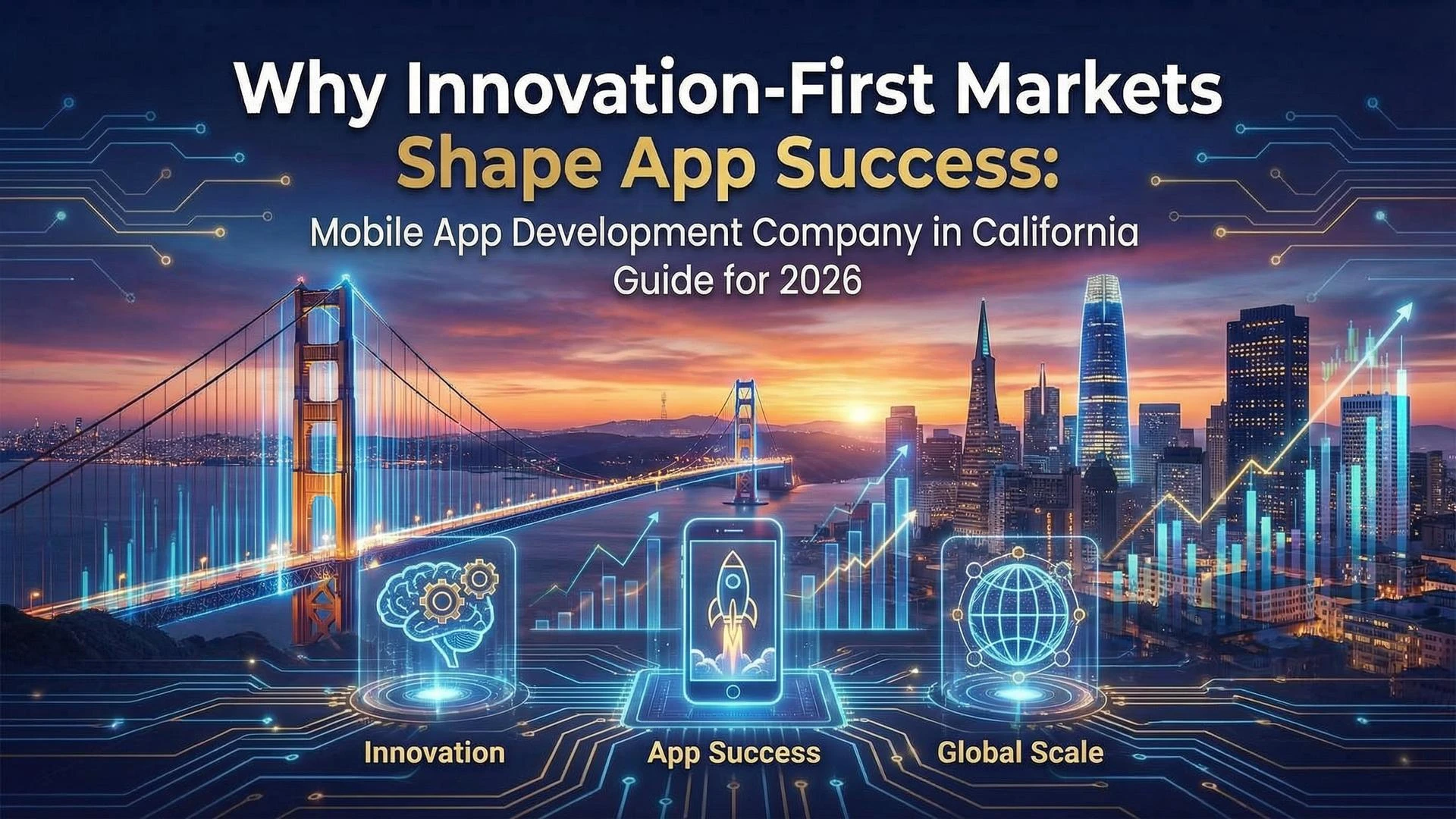
Some regions adopt technology.
California defines it.
From Silicon Valley startups to Los Angeles consumer platforms and Bay Area wellness ecosystems, California remains the world’s most influential mobile innovation market. Users here encounter new technologies earlier, evaluate products more critically, and adopt experiences that feel ahead of the curve rather than merely functional.
This environment changes how apps must be conceived and built. In many markets, meeting expectations is enough. In California, expectations move constantly. Users anticipate intuitive interfaces, intelligent personalization, seamless performance, and future-facing experiences as baseline qualities rather than differentiators.
For founders and product teams, building with a mobile app development company in california often means designing for innovation readiness rather than incremental improvement. Understanding how innovation-first markets influence mobile strategy is essential for platforms in categories such as fitness and social media, where California trends often shape global behavior.
California Users Evaluate Apps Against the Future
California consumers live within dense technology ecosystems. New products appear frequently, and digital experiences evolve rapidly. As a result, users compare apps not only to competitors but to emerging standards across industries.
A fitness app is evaluated against AI-driven personalization seen elsewhere. A social platform is compared to real-time engagement experiences users already encounter. Expectations therefore expand continuously.
This produces a unique dynamic: innovation becomes baseline. Apps perceived as conventional feel outdated quickly. Founders must anticipate future expectations rather than replicate current norms.
Innovation-First Markets Demand Experience Leadership
In California, product success depends on experience leadership rather than feature presence. Users expect platforms to feel intuitive, adaptive, and responsive to behavior. Static interfaces or predictable flows reduce perceived value.
Experience leadership often involves:
- intelligent personalization
- fluid interaction design
- anticipatory features
- seamless transitions
- adaptive content
- real-time responsiveness
These qualities create the perception that the app understands users rather than merely serving them.
Speed of Evolution Shapes Product Lifecycles
Innovation markets accelerate lifecycle pressure. Trends in interaction, content, and behavior change rapidly. Platforms must update continuously to remain competitive.
California-origin apps often release features iteratively, learning from early adopters and refining quickly. Users expect visible evolution; stagnation signals decline. This environment rewards development approaches capable of rapid iteration.
Working with a mobile app development company in california typically involves designing architectures that support continuous innovation rather than static releases.
Category Lens: Fitness and Social Platforms in California
Fitness and social ecosystems illustrate how innovation expectations shape California mobile products.
Fitness Platforms: Data-Driven Personalization and Performance
California’s wellness culture emphasizes optimization and self-improvement. Users track health metrics, performance patterns, and lifestyle behaviors. Fitness apps succeed when they transform raw data into meaningful insight.
Platforms created by a fitness app development company often integrate advanced capabilities such as:
- adaptive training recommendations
- behavior-based goal adjustment
- predictive progress insights
- personalized wellness feedback
- performance analytics visualization
These features align with California’s data-aware fitness culture. Users expect apps to act as intelligent coaches rather than passive trackers. Innovation lies in interpretation, not measurement alone.
Social Platforms: Real-Time Interaction and Expression
California social ecosystems emphasize creativity, identity, and constant interaction. Users share experiences continuously, expecting platforms to support expressive communication and immediate feedback.
Apps developed by a social media app development company typically focus on:
- real-time content interaction
- expressive media formats
- adaptive discovery algorithms
- engagement prediction
- creator-centric tools
These elements reflect California’s creator-driven digital culture. Social platforms must enable visibility, interaction, and identity expression simultaneously to remain relevant.
Personalization as an Innovation Standard
California users expect personalization by default. Apps must adapt to preferences, behavior, and context dynamically. Static experiences feel impersonal in innovation markets.
Effective personalization includes:
- behavior-aware recommendations
- contextual interface adjustments
- predictive content ordering
- adaptive goal systems
- preference learning
Personalization transforms platforms from tools into responsive environments.
Seamless Performance Defines Perceived Quality
Innovation-first users evaluate apps partly by fluidity. Delays, friction, or inconsistency signal inferior design. California markets emphasize seamlessness across interactions.
Key performance expectations:
- instant feedback
- smooth transitions
- responsive interactions
- stable functionality
- minimal latency perception
These qualities create the sense of advanced technology even when features are similar.
Anticipatory Design Creates Competitive Edge
Advanced apps anticipate user needs before explicit input. California users increasingly expect this behavior from digital platforms.
Anticipatory features may include:
- proactive recommendations
- contextual prompts
- adaptive workflows
- predictive actions
- automated adjustments
Such capabilities convey intelligence and innovation, reinforcing market leadership perception.
Continuous Innovation Sustains Relevance
California markets rarely tolerate static products. Users expect ongoing enhancement and experimentation. Platforms that evolve visibly maintain attention; those that stagnate fade quickly.
Continuous innovation involves:
- feature iteration
- experience refinement
- interaction experimentation
- content evolution
- capability expansion
Development processes must therefore support constant change without disrupting core experience.
Why California Defines Global App Expectations
Several structural factors make California the benchmark for mobile innovation:
- dense tech ecosystem
- early adopter users
- creator-driven culture
- wellness optimization mindset
- startup experimentation
- venture-backed product cycles
Apps successful here often set global expectations. Trends originating in California frequently spread internationally, influencing design standards elsewhere.
Strategic Implications for App Builders
Founders targeting California markets must design for future readiness rather than present sufficiency. Innovation architecture becomes essential.
When collaborating with a mobile app development company in california, teams often prioritize:
- adaptive experience systems
- personalization engines
- scalable iteration frameworks
- data-driven insight layers
- real-time interaction models
These elements ensure platforms remain competitive in innovation-first environments.
Closing: Building for Innovation Markets in California
California represents the world’s most demanding mobile ecosystem. Fitness and social platforms here succeed when they deliver intelligent personalization, seamless interaction, and continuous evolution. Users expect apps to feel forward-looking, adaptive, and expressive.
Organizations building in these categories often work with a mobile app development company in california experienced in innovation-centric product architecture rather than conventional development approaches.
Explore how fitness and social platforms are designed for innovation-first markets on this mobile app development company in california page.