
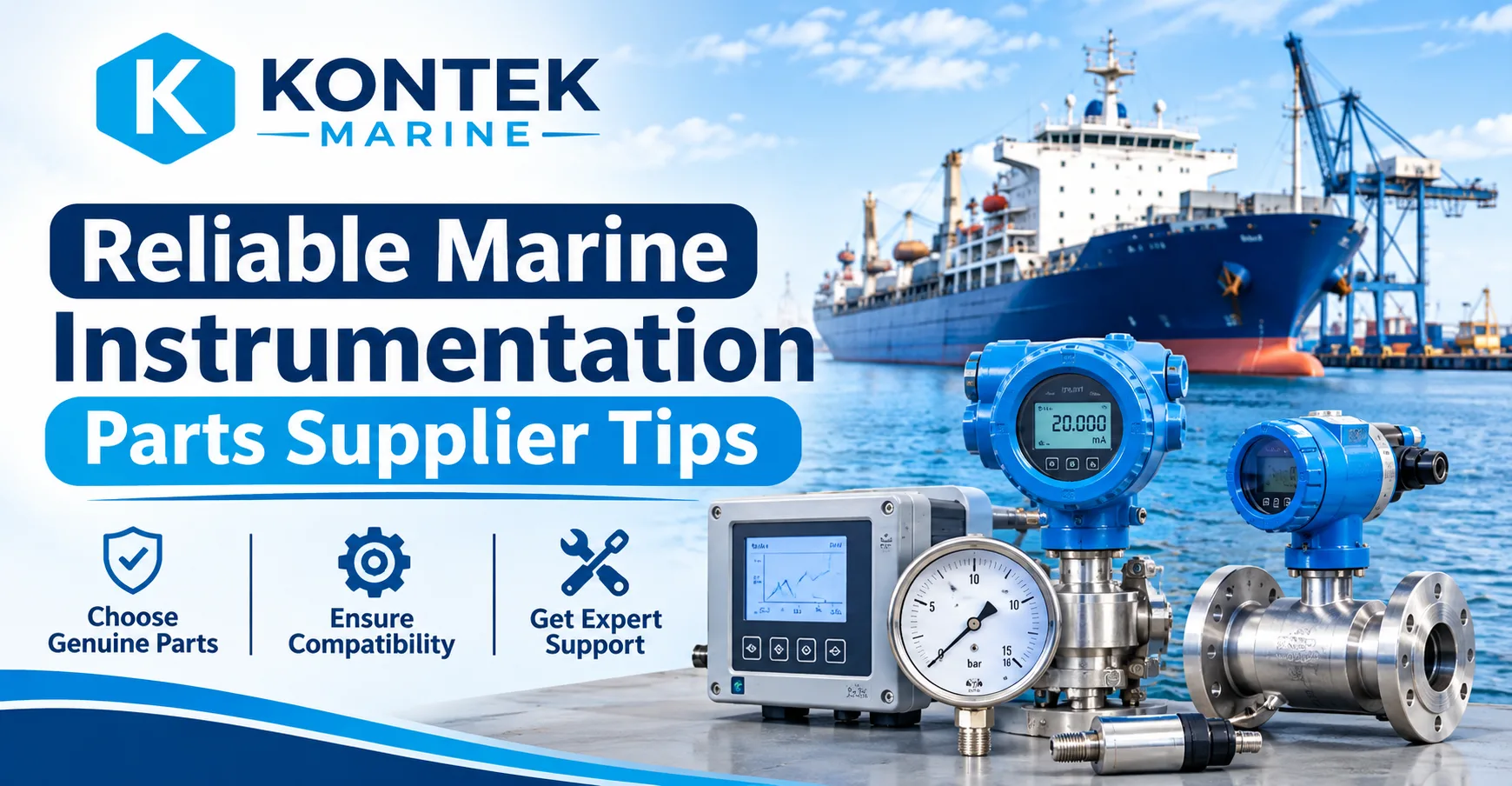
Marine Spare Parts Service: What You Must Know
A vessel is only as dependable as the equipment keeping it on course, on schedule, and out of trouble. Gauges, sensors, transmitters, and monitoring systems give crews the information they need to make safe decisions at sea, and when one fails, the consequences range from costly delays to serious safety risks. That is why partnering with a trusted marine instrumentation parts supplier is one of the smartest operational decisions a ship owner or fleet manager can make. This guide covers what you need to know about spare parts and servicing, and how to choose the right partner.
Why Spare Parts Management Matters
Unplanned downtime is one of the biggest expense drivers in commercial shipping. A vessel waiting in port for a single faulty sensor can lose thousands of dollars a day in charter income, port fees, and missed schedules. Many of these delays are avoidable with sound spare parts planning.
Effective planning rests on three habits:
- Know your critical equipment. Identify the systems that would halt or restrict operations if they failed, such as engine monitoring, navigation instruments, and fuel and temperature controls.
- Stock smart, not excessively. Carry on-board spares for high-failure and long-lead-time items, and rely on your supplier for the rest.
- Keep records current. Accurate inventory logs, part numbers, and maintenance histories make reordering fast and error-free.
Regulatory expectations add another layer. International conventions such as SOLAS, administered by the International Maritime Organization, set minimum safety standards for equipment and operations, and well-maintained instrumentation helps vessels stay compliant during inspections and surveys.
What Makes a Good Marine Instrumentation Parts Supplier
Not every supplier is built for the demands of the marine industry. Salt, vibration, humidity, and constant temperature swings punish equipment, so the parts you buy must be made to cope. When evaluating a marine instrumentation parts supplier, look closely at these qualities:
Product authenticity and quality. Counterfeit or poor-quality components are a real risk in global marine supply chains. A reputable supplier sources from recognised manufacturers and can supply documentation and certifications for the parts it sells.
Breadth of range. Vessels often run equipment from several manufacturers and of varying ages. A supplier with wide coverage, including legacy and hard-to-find items, saves you from chasing multiple vendors.
Technical knowledge. The best suppliers do more than ship boxes. Their teams can help you identify the right part from a model number, a faded nameplate, or even a description of the symptoms.
Responsiveness. Ships operate on tight timelines and across time zones. You need a partner who answers quickly, quotes clearly, and keeps you updated until the part arrives.
Servicing and Repairs: Beyond Simply Buying Parts
Buying the right component is only half the story. Instruments need calibration, testing, and sometimes repair to perform reliably, and replacing a unit that could have been serviced is an unnecessary expense. A professional marine spare parts service combines parts supply with practical technical support, so faults are diagnosed properly rather than guessed at.
Good servicing typically includes fault diagnosis, calibration against known standards, repair or refurbishment where economical, and testing before the equipment goes back on board. It can also include advice on whether a repair makes sense or replacement is the better long-term choice. Preventive servicing deserves special attention: scheduling inspections and calibration before a breakdown occurs is nearly always cheaper than emergency repairs in a foreign port.
Choosing a Marine Spare Parts Service Provider
Selecting a marine spare parts service provider is a long-term relationship, not a one-off purchase. Before you commit, ask a few practical questions:
- How fast can they deliver? Ask about typical lead times, expedited shipping options, and their experience delivering to ports worldwide.
- What warranties apply? Reliable providers stand behind their parts and workmanship with clear return and warranty policies.
- Can they handle urgent requests? Emergencies happen at sea. Check whether the provider offers out-of-hours support or rapid-response arrangements.
- Do they have references? Established marine suppliers should be able to point to long-standing customers in shipping, offshore, or fishing operations.
- Is pricing transparent? Hidden fees for packaging, documentation, or freight can turn a bargain quote into an expensive surprise.
A strong marine spare parts service provider will also be proactive, flagging obsolete parts, suggesting compatible alternatives, and helping you plan purchases around scheduled dockings.
Practical Tips to Get the Most from Your Supplier
Even the best supplier works better when you give them what they need. Share complete equipment details, including manufacturer, model, serial number, and photos of nameplates. Send requests early for non-urgent items so your supplier can source competitively. Consolidate orders where possible to reduce freight costs, and review your critical spares list at least once a year. Finally, give feedback. A supplier who understands how your fleet operates can anticipate your needs far better than one working from isolated orders.
Conclusion
Reliable instrumentation keeps vessels safe, compliant, and profitable, and reliable instrumentation starts with the right sourcing and servicing partner. By planning your spares carefully, insisting on authentic quality parts, and choosing a responsive marine instrumentation parts supplier with real technical depth, you reduce downtime and protect your crew and cargo. If you are ready to strengthen your supply chain, get in touch with the Konteks Marine team to discuss your requirements.
Frequently Asked Questions
1. How long does a typical marine spare parts order take to deliver?
Turnaround depends on the part, its availability, and the destination. In-stock items can often ship within a few days, while specialised or discontinued components may take longer to source. Always ask for an estimated lead time and an expedited option when the need is urgent.
2. What should I do if I need a part urgently while at sea or in port?
Contact your supplier immediately with the equipment details and your vessel’s next port of call. A good provider can arrange expedited freight and coordinate delivery to the port agent to minimise delays.
3. Can a supplier source obsolete or hard-to-find instrumentation parts?
Often, yes. Experienced suppliers maintain networks that include surplus stock, refurbished units, and compatible alternatives. Provide the model and serial number so they can search accurately.
4. How can I tell whether a supplier is reliable?
Look for clear documentation and certifications, transparent pricing, written warranties, responsive communication, and a track record with other marine customers. Do not hesitate to ask for references.
5. How often should marine instruments be serviced or calibrated?
Frequency depends on the manufacturer’s guidance, the instrument type, and regulatory or class requirements. As a rule, critical navigation and monitoring instruments should be checked on a regular schedule rather than only after a fault appears.