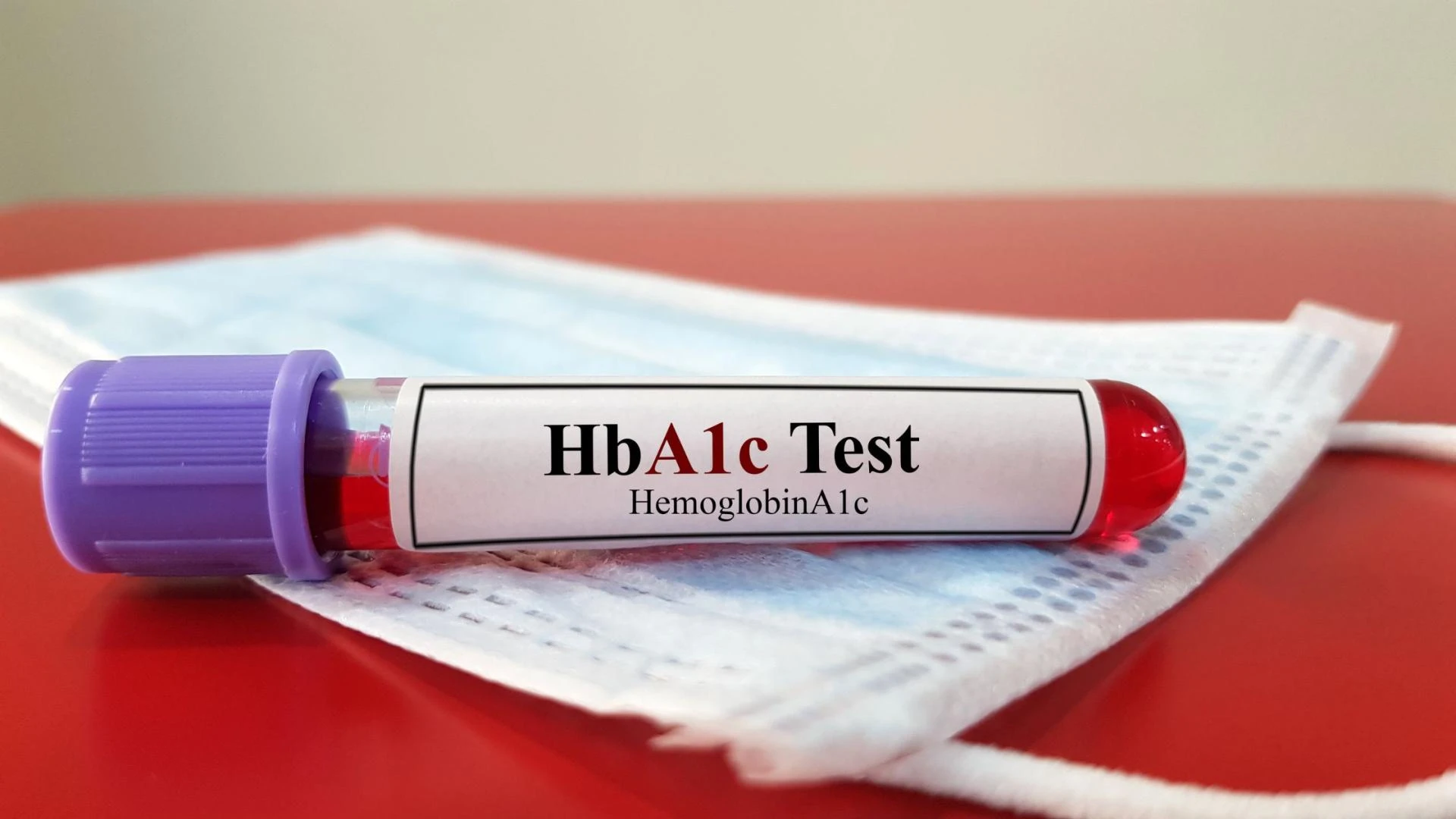
Metabolic flexibility is the body’s ability to shift between using carbohydrates and fat for energy, depending on meals, activity, and rest. When this switching is less smooth, people may notice uneven energy or wider swings in glucose readings. An HbA1c test is one of the reports doctors may use to review longer-term glucose patterns, alongside other measurements.
This blog explains the term and how fasting glucose, insulin tolerance testing, and lipid levels are commonly interpreted.
What is Metabolic Flexibility?
Metabolic flexibility describes how smoothly the body adapts to different energy sources across the day. After eating, the body tends to use more glucose. Between meals and overnight, it relies more on stored energy. Sleep, stress, meal timing, and activity can all influence this switching. Because daily life is not consistent, physicians usually look for patterns across reports rather than a single value from a single day.
How Diagnostic Tests Measure Metabolic Flexibility
No single test proves metabolic flexibility. Instead, several results are reviewed together to understand glucose handling and related markers.
Fasting Blood Sugar (FBS)
FBS is a glucose reading taken after fasting. It provides a baseline level before a meal affects your blood glucose.
- Shows the fasting glucose level for that day
- Helps review morning glucose patterns over time
- More useful when preparation is consistent
Fasting Insulin (Insulin-Fasting Test)
Fasting insulin is checked on the same fasting day as fasting glucose. It supports the interpretation of how the body maintains glucose while fasting.
- Read alongside fasting glucose for better interpretation
- It can vary with stress, sleep, and recent routine changes
- Usually reviewed as a trend across reports
HbA1c (Glycated Haemoglobin)
HbA1c reflects average glucose exposure across weeks, not one meal. Some reports label it as a Haemoglobin A1c test.
- Supports longer-term pattern review
- Helpful when compared with earlier reports
- Booking choices may depend on the Haemoglobin A1c test price details
Lipid Profile
A lipid profile shows cholesterol fractions and triglycerides. It adds information about fat-related metabolism and risk markers.
- Triglycerides can reflect how the body stores and uses fuel
- Cholesterol fractions support broader metabolic review
- Trends across years are often more informative than a single report
Why These Measurements Matter
Each test captures a different time window, so the combined view is usually more useful. Together, the reports can help a clinician determine whether changes appear temporary or recurrent. For meaningful comparison, fasting duration and test timing should be as consistent as possible, and older reports should be kept for trend review.
If repeat monitoring is advised, some individuals prefer to book an HbA1c test online through Lupin Diagnostics for easier scheduling and access to reports. When planning, checking the HbA1c price in advance can support practical budgeting without delaying follow-up.
Conclusion
Metabolic flexibility is usually assessed by looking at patterns rather than one number. Fasting glucose, fasting insulin, HbA1c, and lipid results each contribute a distinct component to the overall picture. The clearest interpretation arises from consistent preparation, appropriate timing, and comparison of reports over time. If results feel confusing or keep changing, a qualified clinician can explain what the pattern may suggest and whether any repeat testing is needed.