The definition of a "classroom" has undergone a radical transformation over the last decade. In 2026, the boundary between academic study and professional labor has blurred, largely due to the ubiquity of remote work. For the modern undergraduate, the challenge is no longer just absorbing information; it is managing that information across digital platforms, time zones, and virtual teams. This shift has birthed a new breed of student—the "academic project manager"—who understands that success in a digital world requires more than just individual effort; it requires the strategic use of global resources.
By integrating online assignment help into their weekly routine, students are doing more than just securing a grade. They are engaging in a high-level rehearsal for the modern workforce. Learning how to identify a need, source a specialist, and manage a remote deliverable is a core competency in the 2026 job market. When a student decides to pay to do my assignment, they are effectively practicing the art of professional delegation, a skill that will define their success in the virtual offices of the future.
1. The Rise of the Digital Project Manager
In the corporate world of 2026, very few tasks are completed by a single person acting in isolation. Projects are broken down into modules and distributed to specialists across the globe. A lead developer in San Francisco might outsource a specific API integration to a specialist in Bangalore, while a marketing director in London uses a freelance researcher in New York. This is the "modular workflow" of the modern economy.
When a student utilizes online assignment help, they are stepping into the role of a project manager. They must define the scope of the work, provide a clear brief, and manage the timeline for completion. This process mirrors the "Agile" and "Scrum" methodologies used by top tech firms. Instead of viewing homework as a solitary burden, savvy students see it as a series of deliverables. By choosing to pay to do my assignment, they are learning how to leverage external talent to ensure a project meets its deadline and quality standards—a direct parallel to how they will eventually lead teams in their professional careers.
2. Mastering Asynchronous Collaboration
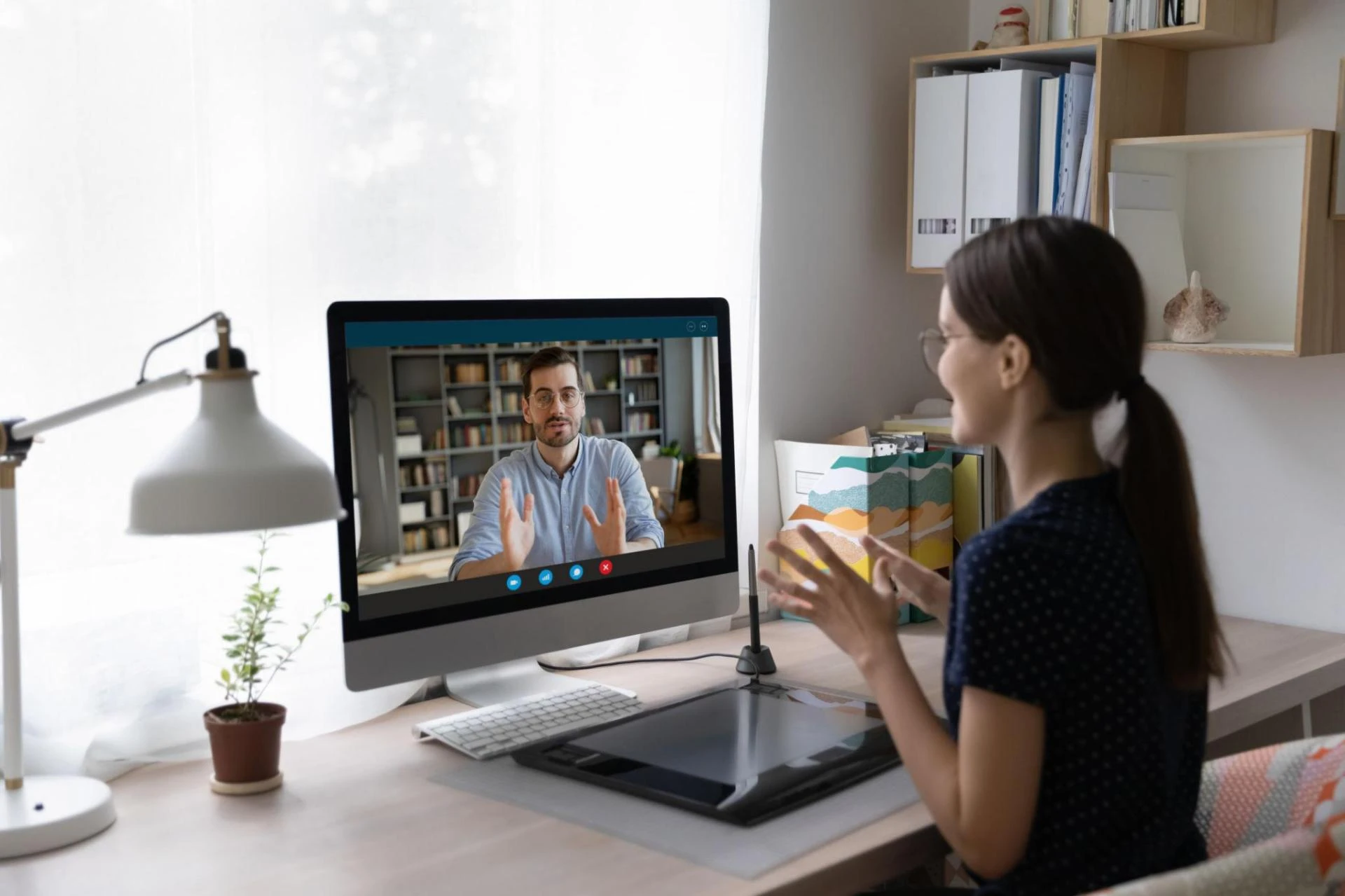
One of the steepest learning curves in the 2026 virtual job market is asynchronous communication. In a world of different time zones, you cannot always wait for a live meeting to solve a problem. You must learn to write clear, concise instructions that a collaborator can follow while you are asleep. Success in a remote role depends on the ability to communicate technical requirements without the luxury of face-to-face clarification.
Interacting with a professional online assignment help service provides the perfect training ground for this skill. When a student briefs an expert on a complex physics lab or a detailed case study, they are practicing high-stakes digital communication. They learn that a vague request leads to a vague result, while a precise, well-documented brief leads to excellence. This experience is invaluable. By the time they enter the workforce, students who have regularly managed their workload through these platforms are already experts at the digital hand-off, making them far more effective remote employees than those who have only ever worked in traditional, siloed environments.
3. Resource Allocation and the "Value of Time"
The most successful professionals in 2026 are those who understand the difference between "busy work" and "deep work." In a virtual job market where results are measured by output rather than hours sat at a desk, the ability to prioritize high-value tasks is essential. Many entry-level employees fail because they spend too much time on low-impact administrative tasks and not enough on the core strategic goals of their company.
Students who choose to pay to do my assignment are developing a sophisticated understanding of resource allocation. They perform a constant cost-benefit analysis: "Is my time better spent on this repetitive general education essay, or on my senior design project and internship?" By using online assignment help for non-core tasks, they are training their brains to focus on the "Zone of Genius." This mindset is exactly what remote-first companies look for. They want leaders who can identify when a task should be handled internally and when it should be outsourced to maintain the company’s momentum.
4. Navigating the Global Talent Marketplace
The 2026 job market is no longer local; it is a global marketplace of skills. To thrive, one must be comfortable navigating digital platforms to find, vet, and collaborate with specialists from diverse backgrounds. The "remote workflow" is essentially a global talent search.
By using professional academic services, students become "power users" of the global talent economy. They learn how to navigate platforms, evaluate the quality of providers, and protect their "academic brand" (their GPA). When a student searches for the best place to pay to do my assignment, they are developing the same vetting skills they will use as a hiring manager five years later. They are becoming comfortable with the "Global Cloud" of expertise, ensuring that they will never be limited by their own individual skill set. In the virtual job market, your network and your ability to source talent are just as important as your personal knowledge.
Conclusion: Engineering a Competitive Advantage
The "ivory tower" of academia is being replaced by the "digital dashboard" of the modern scholar. In 2026, being a "good student" is no longer about how much information you can carry in your head; it is about how effectively you can manage projects in a complex, interconnected world.
Using online assignment help is a strategic decision that signals a student is ready for the future of work. It demonstrates an understanding of delegation, asynchronous communication, and global resource management. When you decide to pay to do my assignment, you aren't just getting help with a task; you are mastering the remote workflow that will define the rest of your professional life. You are moving from being a passive recipient of information to an active manager of results—the ultimate preparation for the 2026 virtual job market.