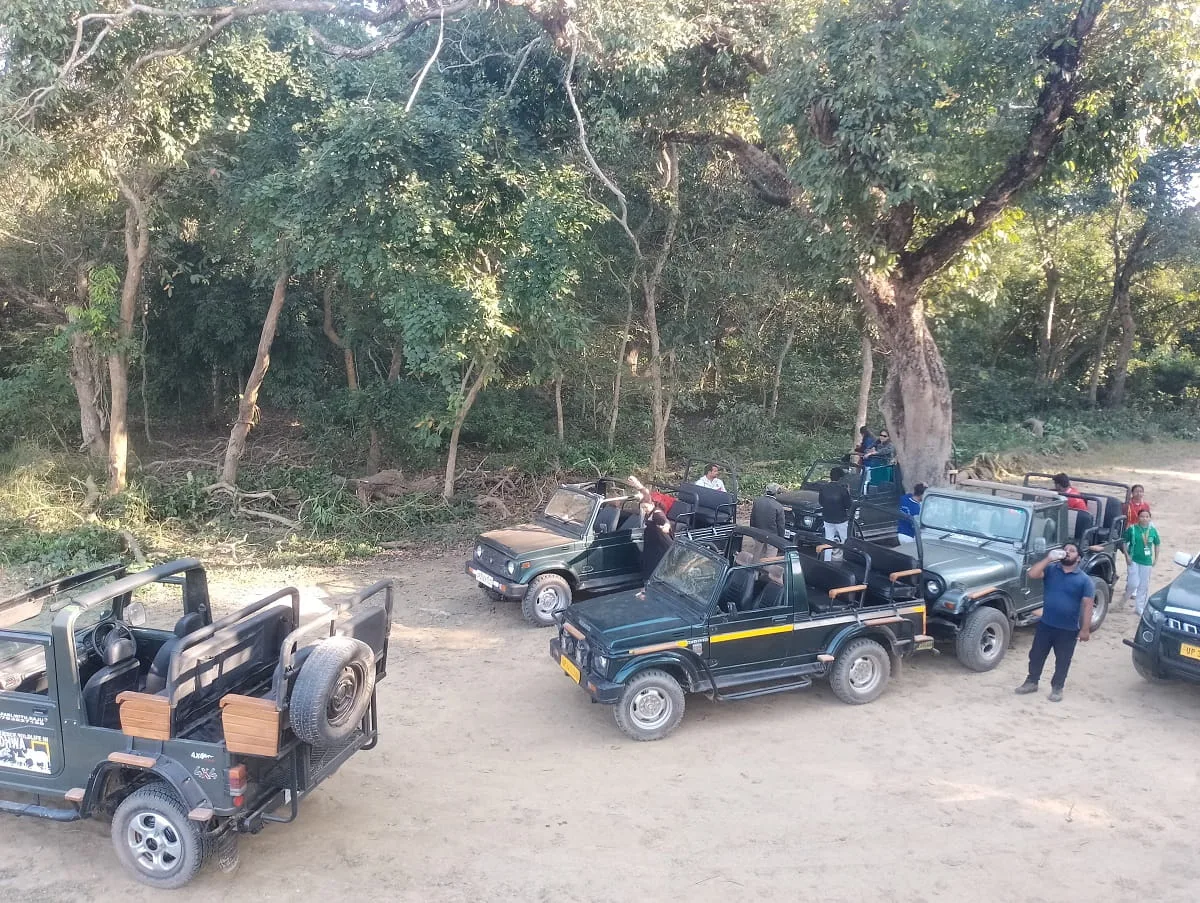
What is Jungle Safari?
Jungle safari is an adventurous trip to enjoy the jungles and forests, the grasslands and wetlands, encounter wildlife in their natural habitat. The safaris in the jungle generally take place in nature reserves (national parks, tiger reserves, wildlife) and are organized with jeeps, canters, boats and elephant rides depending on the location.
The primary aim of the jungle safari is to give the visitors the chance to explore nature and see the animals like tiger, elephant, rhino, leopard, deer, crocodile, birds etc. without disturbing the animals. Safari trips to the popular parks such as Dudhwa National Park provide exciting opportunities to explore the dense forests, wetlands and grasslands of the area, where they can observe a variety of wildlife species.
Every safari experience is unique and unpredictable, which is why jungle safaris are a favorite among wildlife photographers, birdwatchers, adventure travellers and nature lovers. Tourists have the chance to see the animals as well as get a glimpse of the beauty of forests, rivers, landscapes and peaceful nature.
What is Eco-Tourism?
Eco-tourism is a type of responsible and sustainable travel, prioritizing the protection of natural areas and wildlife conservation by exploring them. Unlike regular tourism, eco-tourism calls for visitors to value the environment, reduce their environmental footprint and to do something good for the local communities and ecosystems.
These eco-tourism activities may encompass jungle safaris, bird watching, nature walks, wildlife photography, forest stays, village tourism and environmental awareness activities. Ecotourism aims to develop a tourism model that generates positive experiences, raises awareness among tourists of the value of forest, wildlife and biodiversity conservation, and provides for its protection.
In areas such as Dudhwa National Park, eco-tourism can serve to promote conservation efforts, provide employment and increase awareness of endangered species and conservation of habitats.
Importance of Jungle Safari & Eco-Tourism
Eco-tourism and jungle safaris are key factors in wildlife protection and conservation. They contribute to the awareness of the visitors about the role of forests and biodiversity, and promote responsible tourism.
Eco-tourism also provides economic benefits to the local community by providing jobs in hotels, safari services, guides, transport, handicrafts and tourism-related activities. This helps to promote conservation of wildlife in the area and the preservation of the natural habitats.
Tourism from jungle safaris also enables the raising of money for the protection of the forests, anti-poaching efforts, forestry management and conservation programmes by the national parks and forest departments.
Why Jungle Safari & Eco-Tourism Are Popular?
With today's fast-paced life, many travellers are drawn towards a quiet location where they can enjoy nature and leave the hustle and bustle of the city behind. A jungle safari is a dream come true for adventure seekers, relaxation, learning, and wildlife enthusiasts, and an ecotourism is the ideal package.
The Dudhwa National Park is a popular tourist destination due to its biodiversity, its natural environment, its birding opportunities and its atmosphere. Visitors appreciate the opportunity to see wild animals in their natural habitat and to savor the peace and beauty of forests, wetlands, and grasslands.
Tourists can also learn about conservation, animal behavior and why ecosystems are important for the future when they visit as an eco-tourist.
Conclusion
Jungle safaris and eco-tourism go way beyond an adventure experience. They raise awareness on wildlife conservation, contribute to the local community and promote sustainable travel habits, which contribute to nature and biodiversity conservation.
Visitors to these eco-tourism sites will find plenty of adventure and unforgettable experiences, whether they are an opportunity to see a tiger in the jungle, photograph rare birds in wetland areas, or simply enjoy the serene beauty of the forests.