A Translytical Data Platform combines transactional and analytical processing within a single database environment, enabling organizations to perform real-time analytics on live operational data. By eliminating data movement complexities and supporting multiple workloads simultaneously, translytical platforms empower businesses to accelerate digital transformation and gain actionable insights faster than ever before.
Click here for more information : https://qksgroup.com/market-research/market-forecast-translytical-data-platform-2026-2030-worldwide-5846
What is a Translytical Data Platform?
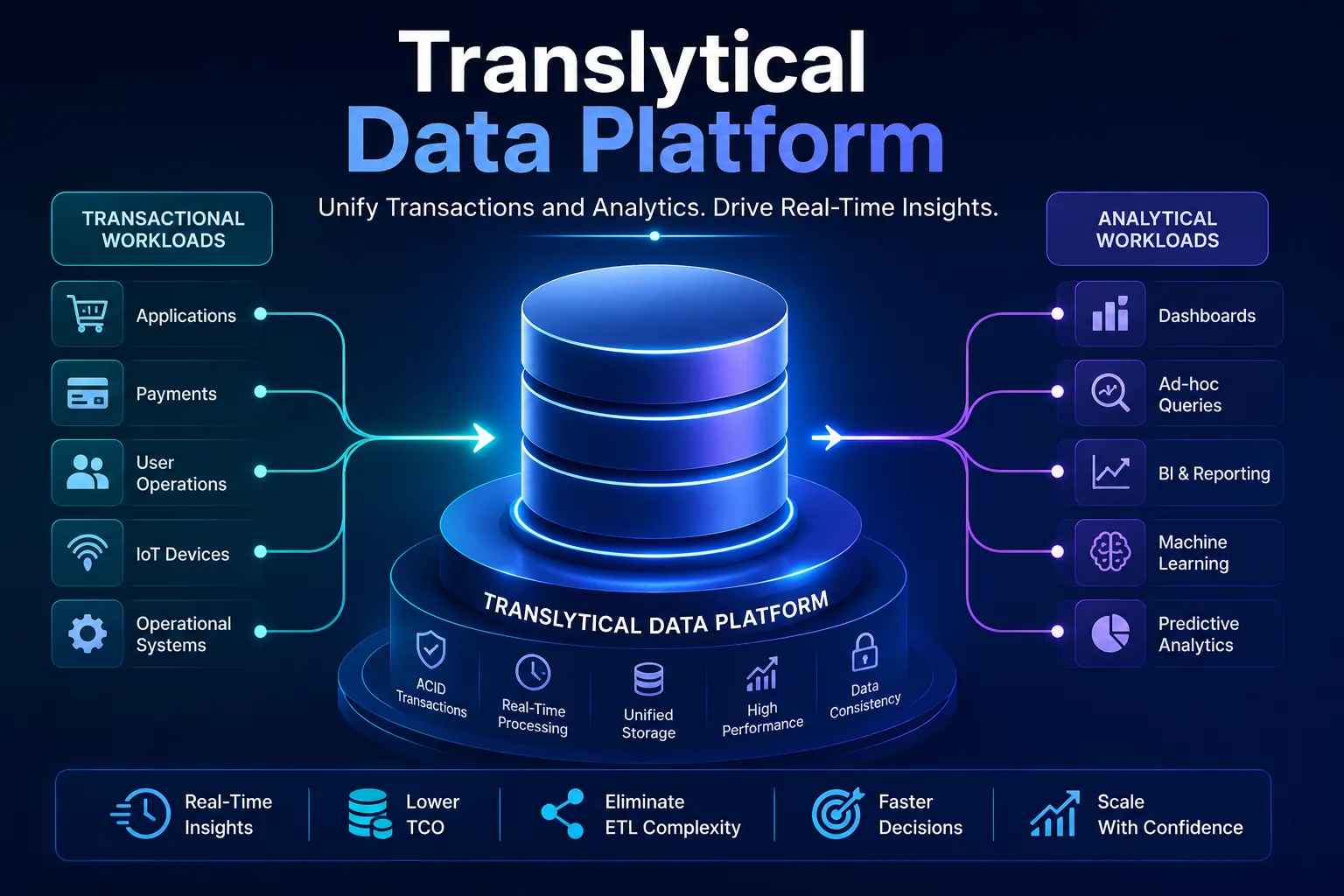
A Translytical Data Platform is a unified database architecture designed to support both Online Transaction Processing (OLTP) and Online Analytical Processing (OLAP) on the same dataset in real-time or near real-time. Unlike conventional systems that require separate databases for transactions and analytics, a translytical platform integrates these capabilities into a single engine.
This approach enables organizations to process operational transactions while simultaneously running advanced analytics, reporting, and business intelligence queries without impacting performance. The platform supports multiple data types and models, allowing enterprises to manage diverse workloads efficiently.
Key Features of a Translytical Data Platform
1. Real-Time Transaction and Analytics Processing
One of the most significant advantages of a translytical data platform is its ability to analyze operational data as soon as it is generated. Organizations no longer need to wait for batch updates or data warehouse refresh cycles.
2. Unified Data Architecture
A translytical platform eliminates the need for maintaining separate transactional databases and analytical systems. This unified architecture reduces complexity, lowers infrastructure costs, and improves data consistency.
3. Reduced ETL Dependency
Traditional analytics environments rely heavily on ETL processes to move data between systems. A translytical platform minimizes or completely removes these requirements by enabling analytics directly on operational data.
4. Multi-Model Data Support
Modern enterprises deal with structured, semi-structured, and unstructured data. Translytical platforms support multiple data models, making it easier to manage diverse datasets within a single environment.
Benefits of Implementing a Translytical Data Platform
Faster Decision-Making
Businesses can access real-time insights without waiting for data synchronization processes. This capability enables quicker responses to market changes, customer behavior, and operational challenges.
Click here for market share report : https://qksgroup.com/market-research/market-share-translytical-data-platform-2025-worldwide-6711
Lower Operational Costs
By consolidating transactional and analytical workloads into a single platform, organizations can reduce infrastructure expenses, software licensing costs, and data management overhead.
Improved Business Agility
Organizations gain the flexibility to adapt rapidly to changing business requirements, customer expectations, and competitive pressures through immediate access to operational intelligence.
Better Customer Experiences
Real-time analytics allows businesses to personalize interactions, optimize customer journeys, and respond proactively to customer needs.
Use Cases of Translytical Data Platforms
Financial Services
Banks and financial institutions leverage translytical platforms for fraud detection, risk analysis, transaction monitoring, and personalized financial services in real time.
Retail and E-commerce
Retailers use real-time analytics to monitor inventory levels, optimize pricing strategies, enhance customer experiences, and improve supply chain efficiency.
Healthcare
Healthcare providers benefit from immediate access to patient data, enabling faster diagnoses, predictive analytics, and improved clinical decision-making.
Why Enterprises Are Adopting Translytical Data Platforms
The growing volume of enterprise data and increasing demand for real-time insights are driving the adoption of translytical solutions. Organizations are seeking ways to eliminate delays caused by traditional data pipelines while maintaining high-performance transactional systems.
A translytical data platform addresses these challenges by providing a unified environment where operational and analytical workloads coexist seamlessly. This capability enables businesses to accelerate innovation, improve operational efficiency, and maximize the value of their data assets.
Future Trends in Translytical Data Platforms
As organizations continue to prioritize real-time decision-making, the demand for translytical platforms is expected to grow significantly. Emerging technologies such as AI-powered analytics, machine learning integration, edge computing, and cloud-native architectures will further enhance platform capabilities.
Future translytical solutions will focus on delivering greater automation, improved scalability, stronger security, and advanced analytics capabilities while simplifying data management across hybrid and multi-cloud environments.
Conclusion
A Translytical Data Platform represents the next evolution in enterprise data management by combining transactional processing and analytics within a single, unified environment. By eliminating complex ETL processes, supporting real-time analytics, and enabling multiple workloads on the same data, these platforms help organizations unlock faster insights and drive smarter business decisions.