Social media helps creators reach new audiences, but turning that attention into lasting relationships takes more than a collection of profile links. Followers may discover a creator through Instagram, TikTok, or YouTube, yet they need a simple way to explore content, join an email list, purchase products, and learn about available services. A well-designed link-in-bio platform brings these opportunities together on one accessible page.
Instead of sending visitors to several disconnected destinations, creators can use a central page to organize their online presence and guide followers toward meaningful actions. The right platform can become a digital home for a personal brand, supporting audience growth, content discovery, and monetization without requiring a complicated website.
What Is a Link-in-Bio Platform?
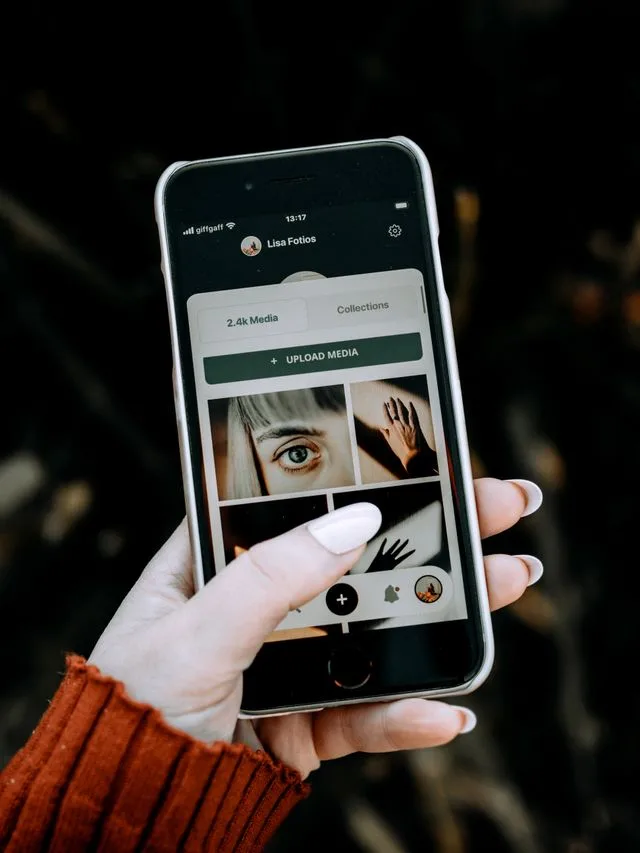
A link-in-bio platform allows creators, influencers, freelancers, and small businesses to create a single landing page containing links to their most important online destinations. The page is usually shared through a social media profile, making it easier for followers to find videos, websites, products, newsletters, booking pages, and other resources.
Traditional social platforms often limit how users can direct followers to external content from individual posts or profile sections. A dedicated link-in-bio page helps overcome this limitation by gathering important destinations in one place.
Modern platforms can do considerably more than display a list of URLs. Depending on the available features, users may be able to embed videos, organize links into folders, publish blog posts, collect email addresses, sell digital downloads, and customize the page to match their brand. These features transform a simple navigation tool into a more complete creator-business hub.
Why Creators Need More Than a List of Links
A basic link page can be useful when someone has only a few destinations to share. However, creators with growing audiences often need a more organized way to present their work and commercial offerings.
Imagine a fitness creator who publishes workout videos, sells training plans, offers coaching sessions, and sends weekly newsletters. If every destination appears in a long, unstructured list, visitors may struggle to identify the next step. A thoughtfully designed page can separate free resources, paid products, social profiles, and contact options into clear sections.
Organization also becomes important as a creator's content library grows. Grouping related links into folders allows visitors to find tutorials, recommended tools, recent projects, or product collections without scrolling through every available destination.
A strong link-in-bio experience should reduce friction. Visitors should understand who the creator is, what they offer, and where to go next within a few seconds of opening the page.
Features to Look for in a Link-in-Bio Platform
Choosing a platform requires looking beyond its appearance. The most useful features depend on the creator's goals, but several capabilities can make a page more flexible and valuable over time.
Customization and Branding
A creator's landing page should feel like a natural extension of their brand. Custom themes, color choices, layouts, typography, and background options help maintain a consistent visual identity across social media and other digital channels.
A custom domain can provide additional control over branding by allowing creators to use their own web address rather than relying entirely on a third-party platform's domain. This can make the page easier to recognize and share.
Customization should remain practical, however. An attractive page still needs readable text, clear navigation, and buttons that make important actions easy to identify.
Content Embedding and Social Media Integration
Creators often publish different types of content across several platforms. A link-in-bio page that supports embedded videos, social posts, or other media can give visitors a better introduction to that content without requiring them to leave immediately.
Automatic social synchronization can also reduce maintenance. When supported, integrations with platforms such as Instagram, TikTok, and YouTube can help display recent content without requiring creators to update every link manually.
These features are particularly useful for active creators who publish frequently. Keeping the page current helps new visitors discover recent work and gives returning followers a reason to explore further.
Email Collection
Social media followers are valuable, but creators do not control the distribution of their posts or the rules governing each platform. Collecting email addresses creates another way to communicate with interested people.
A link-in-bio platform with email collection tools can help creators offer a newsletter, free guide, checklist, template, or other useful resource in exchange for an email subscription. This creates a more direct relationship with visitors who want to hear from the creator again.
Creators should explain what subscribers can expect and obtain appropriate consent before sending marketing communications. A focused signup offer and a simple form can make the process more appealing without overwhelming visitors.
Selling Products and Services
A creator's page can also function as a lightweight storefront. Depending on the platform, it may support digital downloads, templates, online courses, coaching sessions, or other offers.
This is useful for creators who want to monetize their audience without building a large ecommerce website. Instead of sending potential customers through several separate steps, the landing page can introduce an offer and provide a direct purchasing path.
Before selecting a platform, creators should check supported payment providers, transaction fees, payout arrangements, product delivery options, and any restrictions affecting their business model.
How a Link-in-Bio Platform Can Support Monetization
Audience growth does not automatically lead to revenue. Monetization becomes more achievable when creators make their offers visible and give interested followers a clear way to act.
A digital product creator, for example, can feature a free resource at the top of a page, followed by a paid template collection and a link to a more comprehensive course. Visitors can begin with something useful and explore additional offers when they are ready.
A consultant may prioritize service descriptions, booking links, testimonials, and a newsletter signup. A musician might highlight new releases, merchandise, upcoming shows, and video content. Each approach uses the same basic principle: organize the page around the audience's needs and the creator's primary goals.
The most effective structure depends on the business. A page with too many competing calls to action can make decisions harder, so creators should prioritize the destinations that matter most.
Using Blog Posts to Expand Your Online Presence
A link-in-bio page can become more valuable when it includes original written content. Blog posts allow creators to explain ideas, share experiences, answer common questions, and provide information that may not fit naturally into a short social media caption.
For example, a travel creator could publish destination guides, while a marketing consultant might write practical tutorials. These articles can provide context for recommended products, introduce services, or give newsletter subscribers a reason to return.
Written content also helps creators develop a more substantial online presence beyond short-form social media posts. When combined with clear navigation and relevant calls to action, blog posts can connect educational content with products, services, and email subscriptions.
Creators should consider whether a platform provides the publishing features they need, including readable layouts, editing tools, content organization, and the ability to share individual posts.
How to Choose the Right Platform
The best link-in-bio platform is one that matches the creator's current needs while leaving room for growth. Someone who simply wants to organize social links may prefer a straightforward tool. A creator building a business may benefit more from a platform that combines branding, content publishing, email collection, and sales features.
Start by identifying the page's primary purpose. Is the goal to grow an email list, sell digital products, promote videos, book clients, or organize a growing library of resources? Once the priority is clear, compare platforms based on their ability to support that outcome.
Consider ease of setup, customization, mobile usability, integrations, analytics, payment options, and ongoing costs. It is also worth checking whether the platform supports a custom domain and allows content to be organized as the business expands.
Finally, review the visitor experience. Open the page on a phone, test the links, check loading speed, and confirm that the most important actions are easy to find. A simple page that works smoothly can be more effective than a visually complex page that confuses visitors.
Turn Your Link-in-Bio Page Into a Digital Home
A link-in-bio platform can serve as much more than a directory of social media links. With the right combination of customization, content organization, email collection, publishing, and commerce tools, it can help creators connect their online presence to their business goals.
The key is to build the page around the audience rather than treating every available feature as equally important. Clear navigation, useful content, consistent branding, and focused calls to action make it easier for visitors to discover what matters.
As a creator's audience grows, a well-organized landing page can provide a central place to share new work, develop direct relationships, and introduce products or services. It offers a practical starting point for building a creator business without the complexity of maintaining a large website.