Conflict Sparks a Shift: A Snapshot of Global Energy Anxiety
In early 2026, the world witnessed a steep escalation of the Iran war, a conflict that has not only redrawn geopolitical maps but also profoundly disrupted global energy markets. Iran, as a major player in the oil export sector, saw its crude exports plummet by nearly 40% due to sanctions and blockades, according to industry reports. This sudden contraction in oil availability sent shockwaves through global fuel supplies, triggering a rapid surge in fuel prices and uncertainty over energy security.
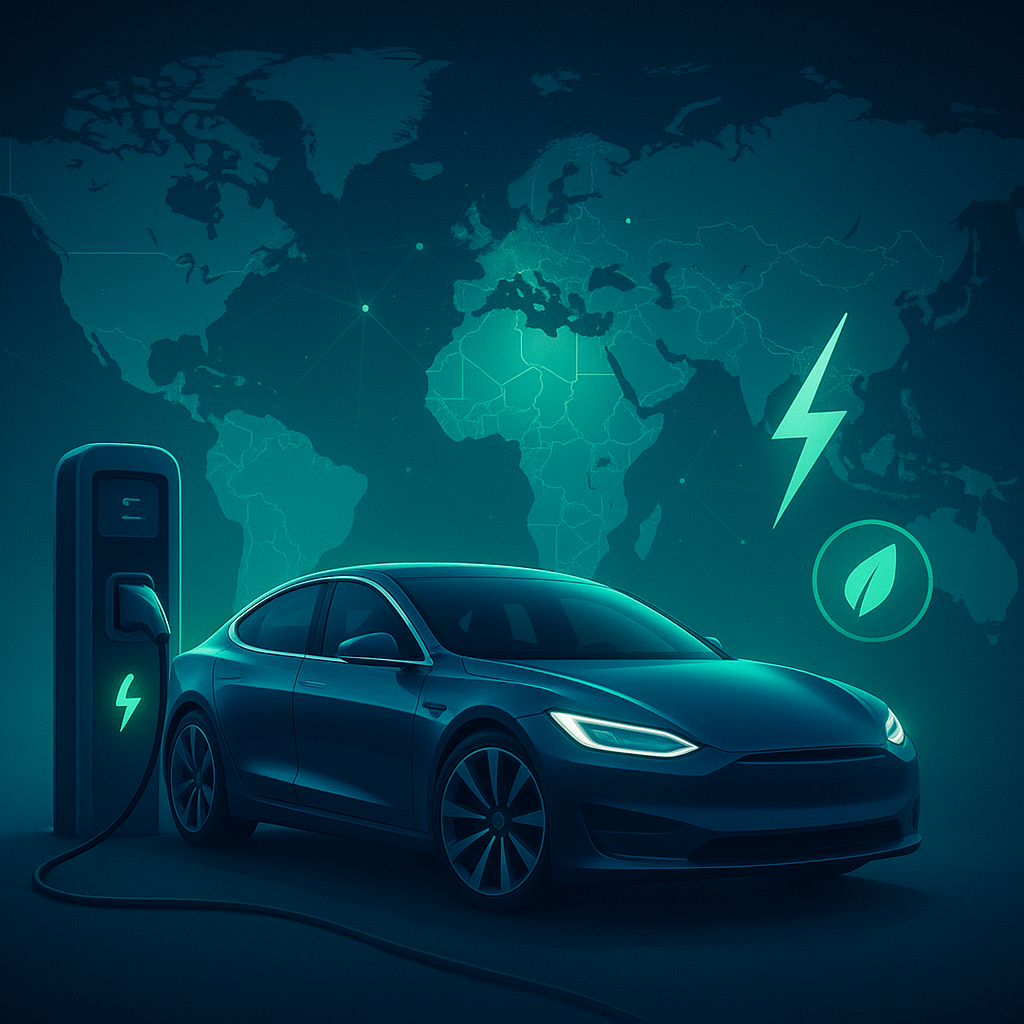
Against this backdrop, consumers, governments, and automakers worldwide found themselves at a crossroads. The volatile oil markets rekindled intense interest in alternative transportation technologies, particularly electric vehicles (EVs), which promise independence from oil price fluctuations. In metropolitan hubs from Los Angeles to Berlin, showroom visits for EVs increased by 35% in the first half of 2026 compared to the previous year, while pre-orders for electric models surged dramatically, as per data from the International Energy Agency.
This phenomenon is not an isolated trend but rather a seismic realignment in the automotive sector influenced directly by geopolitical tensions. The Iran war has inadvertently accelerated the global pivot toward electrification, reshaping consumer behavior and industrial strategy alike.
Historical Context: From Oil Reliance to Electrification Ambitions
To understand the current surge in EV interest, one must trace the historical dependence on fossil fuels and the gradual buildup to this moment. Since the mid-20th century, the automotive industry has been deeply intertwined with crude oil, with gasoline-powered vehicles dominating global markets. The Middle East, with Iran as a key supplier, has been central to fueling this energy paradigm.
However, the early 21st century saw growing concerns over climate change, air pollution, and energy security, prompting governments to incentivize electric mobility. The 2020s witnessed a steady rise in EV adoption, supported by advances in battery technology, expanding charging infrastructure, and increasingly stringent emissions regulations globally. Despite these strides, internal combustion engines still accounted for about 70% of new car sales worldwide as recently as 2024.
The Iran conflict has catalyzed a faster transition by exposing the vulnerabilities of oil dependency. The disruption in supply chains and soaring fuel costs have underscored the strategic imperative of diversifying energy sources and accelerating electrification. This geopolitical shockwave has aligned with pre-existing environmental and technological trends, creating a perfect storm for the EV market to leap forward.
Data-Driven Analysis: Market Shifts and Industry Responses
The automotive industry has responded swiftly to this new reality. Global EV sales surpassed 15 million units in the first eight months of 2026, representing a 60% increase year-over-year, according to the latest data from EV Volumes. Notably, markets previously slower to adopt EVs, such as parts of Southeast Asia and Eastern Europe, have exhibited significant growth.
Several key factors illuminate this surge:
- Fuel Price Volatility: Average global gasoline prices rose to $2.30 per liter in mid-2026, up nearly 50% since 2025, pushing consumers toward alternatives.
- Government Incentives: Over 45 countries expanded EV subsidies and tax breaks post-conflict, recognizing the need for energy resilience.
- Automaker Commitments: Major manufacturers like Tesla, Volkswagen, and Hyundai announced accelerated EV production targets, with some pledging to phase out combustion engines by 2030.
- Charging Infrastructure Expansion: Investments in fast-charging networks increased by 70%, easing consumer concerns about range anxiety.
Furthermore, battery technology innovations have driven down costs sharply. The average cost per kilowatt-hour for lithium-ion batteries dropped below $80 in 2026, making EVs more affordable and competitive on a total cost of ownership basis.
"The Iran war has underscored the fragility of oil-dependent economies and elevated electric vehicles from environmental luxuries to strategic necessities," noted Dr. Lena Mirov, an energy policy analyst.
Current Developments in 2026: Policy Shifts and Technological Breakthroughs
Governments worldwide are mobilizing comprehensive policies to capitalize on this momentum. The European Union, for instance, unveiled the "Clean Mobility Pact" in early 2026, allocating €120 billion toward EV incentives, charging infrastructure, and battery recycling programs through 2030. Similarly, the United States passed the "Energy Security and Electrification Act," which includes $50 billion in subsidies for EV purchases and domestic battery manufacturing.
China, already the largest EV market globally, intensified its push by mandating that all new vehicle sales in tier-1 cities be electric by 2028. This aggressive stance has spurred domestic manufacturers like BYD and NIO to expand production capacity and innovate in solid-state battery technologies.
On the technology front, breakthroughs in hydrogen fuel cells and ultra-fast charging systems promise to complement battery-electric vehicles, addressing range and refueling time concerns. Companies such as Toyota and Hyundai are leading pilot projects integrating hydrogen-powered trucks into commercial fleets, signaling diversification within the zero-emission vehicle sector.
Consumer acceptance is also rising, supported by enhanced vehicle performance, lower maintenance costs, and growing environmental awareness. Surveys conducted by the Automotive Research Institute in mid-2026 show that over 68% of respondents now consider an EV as their next car purchase, a significant jump from 52% in 2024.
"This is not just a market trend; it's a fundamental transformation driven by a new global energy reality," explained Carlos Menendez, CEO of EV manufacturer Voltaris.
Industry and Expert Perspectives: Strategic Shifts and Challenges
The automotive industry faces a complex landscape shaped by geopolitical risks and technological opportunities. Experts highlight that while the Iran war accelerated EV adoption, challenges remain.
Supply chain disruptions affecting critical minerals like lithium, cobalt, and nickel have created bottlenecks. Companies are investing heavily in mining operations and recycling technologies to secure raw material access. For example, Tesla's new lithium extraction facility in Nevada aims to produce 50,000 tons annually by 2028.
Additionally, grid capacity constraints loom as EV penetration rises. Utilities in the U.S. and Europe are upgrading transmission infrastructure and implementing smart grid technologies to manage increased electricity demand effectively.
Industry leaders also emphasize the importance of equitable access to EVs. The risk of a two-tier market persists, where affordability and charging availability limit adoption in lower-income and rural communities. Some governments are addressing this through targeted subsidies and rural charging station initiatives.
Consultants forecast that the Iran war's impact will continue to ripple through the automotive sector, forcing manufacturers to diversify energy sources and innovate rapidly to maintain competitiveness.
Looking Ahead: What to Expect in the EV Ecosystem
The trajectory for electric vehicles appears robust, with several key trends to monitor:
- Battery Innovation: Solid-state and alternative chemistries could reduce charging times to minutes and improve range substantially by 2030.
- Energy Integration: EVs will increasingly serve as mobile energy storage, supporting grid stability through vehicle-to-grid technologies.
- Policy Evolution: Countries are likely to tighten emissions regulations further, incentivizing not only EVs but also green hydrogen and synthetic fuels.
- Global Market Shifts: Emerging economies will become critical battlegrounds for EV adoption, influencing global supply chains.
- Manufacturing Decarbonization: Automakers will focus on reducing the carbon footprint of EV production, including battery recycling and sustainable materials sourcing.
For consumers and investors, the key takeaway is that the Iran war has irrevocably altered the calculus around automotive energy sources. The shift to electric vehicles is no longer primarily about environmental aspirations but also about economic security and resilience. This underscores the importance of staying informed on technological advances and policy developments in this rapidly evolving sector.
Readers interested in a deeper exploration of these themes can consult our related analyses, How the Iran War Is Steering a Global Surge in Electric Vehicles and How the Iran War Is Accelerating the Global Electric Vehicle Boom.