Igniting the Shift: A Glimpse Into the Iran War's Ripple Effect on EV Demand
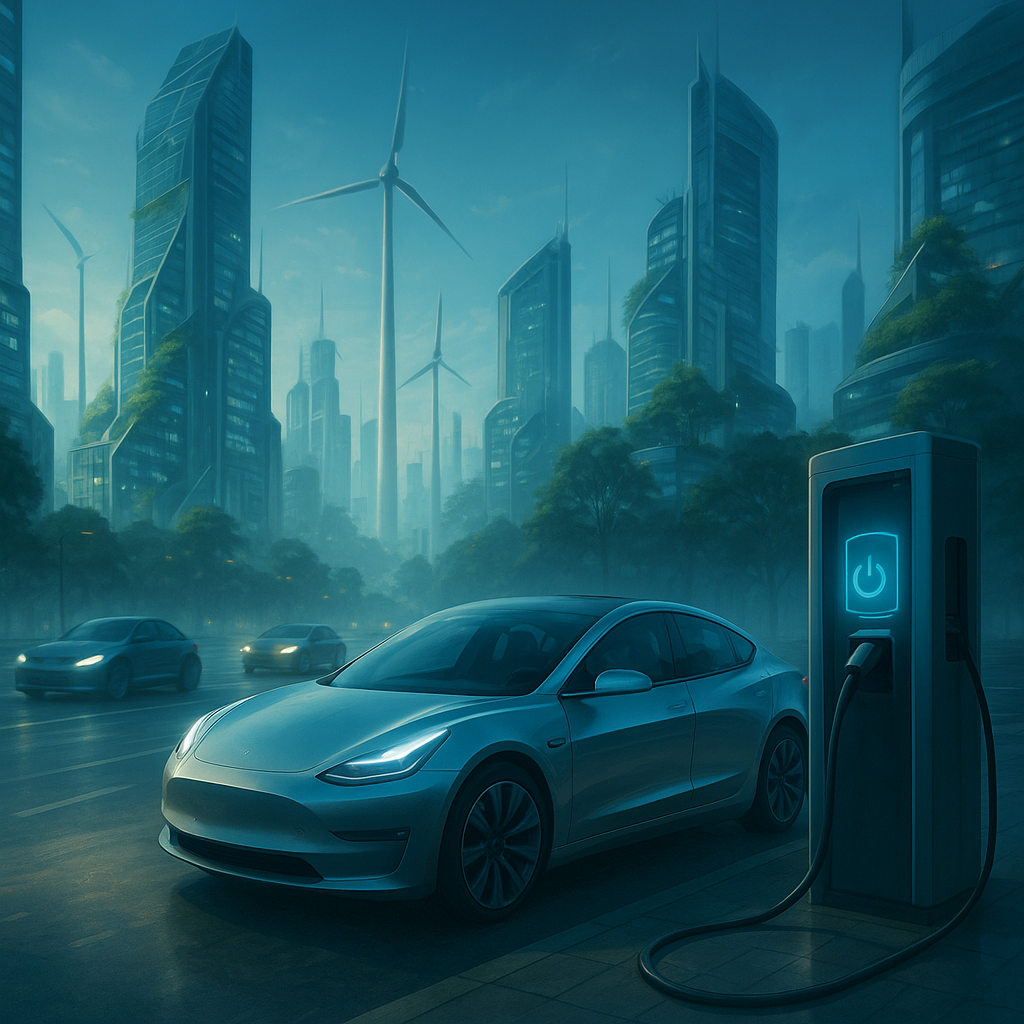
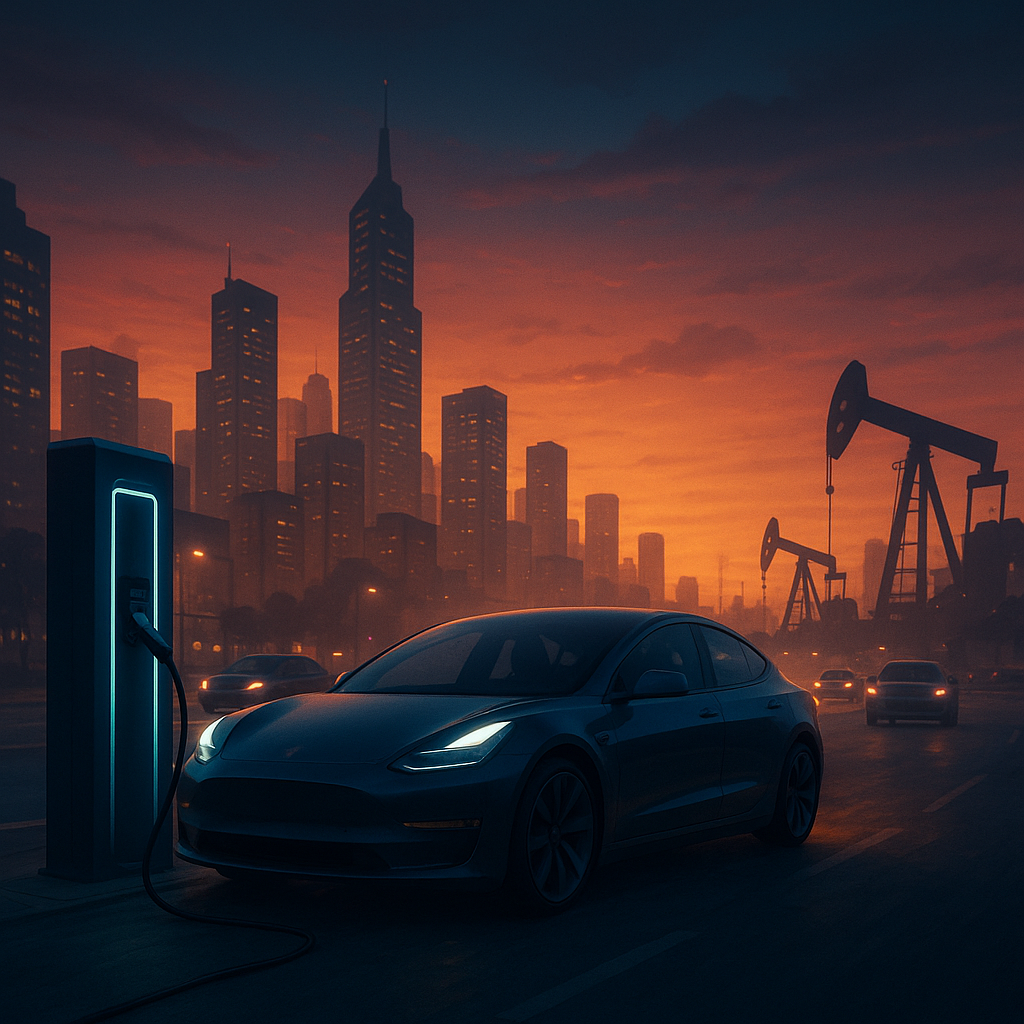
In early 2026, a quiet revolution has been unfolding on global roads. The Iran War, which escalated in late 2025, sent shockwaves through oil markets, disrupting supply chains and sparking unprecedented volatility in fuel prices worldwide. Cities from Los Angeles to Berlin are witnessing a surge in electric vehicle (EV) sales, a trend fueled by soaring gasoline costs and growing geopolitical uncertainty. According to industry estimates, global EV sales in the first quarter of 2026 jumped by 38% compared to the same period in 2025. This surge is not merely a reaction to fuel prices but a structural pivot in consumer behavior and industrial strategy. The war’s geopolitical shockwaves have become a catalyst, accelerating a transition toward electrified transportation at a pace few anticipated.
This article explores how the Iran War has become a defining factor in the automotive sector’s evolution, examining the complex interplay between energy geopolitics, consumer choice, and technological innovation. By unpacking recent developments, analyzing hard data, and considering expert insights, we reveal why the conflict is reshaping the future of mobility globally.
From Oil Reliance to Energy Diversification: The Road So Far
The global transportation sector has long been dependent on oil, with the Middle East, particularly Iran, playing a pivotal role in crude supply. Historically, geopolitical tensions in this region have caused price fluctuations, but the current conflict has produced a more sustained and severe disruption. Since the war began, oil exports from Iran have plummeted due to sanctions and conflict-related infrastructure damage, contributing to an already fragile global supply network strained by post-pandemic economic recovery.
Before 2026, electric vehicles were steadily gaining market share, supported by government subsidies, improved battery technologies, and growing environmental awareness. However, adoption rates varied significantly by region. Western Europe and China led the charge, while many emerging markets lagged due to infrastructure gaps and affordability issues. The Iran War, however, has forced a reevaluation of energy security and transportation resilience worldwide.
As fuel prices surged, reaching record highs—averaging over $5.60 per gallon in the US and comparable levels in Europe—consumers and governments alike sought alternatives. Public and private sectors accelerated investments into EV infrastructure and manufacturing, viewing electrification as a hedge against oil market volatility. This shift is well captured in recent TheOmniBuzz coverage on regional trends, such as the renewed interest in electric vehicles in Kentucky spurred by high gas prices, which parallels the global story unfolding now (source).
Data-Driven Surge: Quantifying the EV Boom Post-Iran Conflict
Quantifying the impact of the Iran War on EV adoption reveals compelling trends. According to Statista and industry reports, global electric car sales rose from 7 million units in 2025 to an expected 10 million units by mid-2026. This 43% growth is unprecedented compared to the 15-20% annual growth observed in prior years.
Several key metrics underscore this transformation:
- Battery Production Capacity: Global lithium-ion battery manufacturing capacity expanded by more than 25% in the past 12 months, driven largely by new factories in China, Europe, and the US.
- Charging Infrastructure: Public fast-charging stations increased by 30%, with governments accelerating rollout programs to meet rising demand.
- Corporate Commitments: Major automakers such as Tesla, Volkswagen, and BYD revised their EV production targets upward by 20-30% for 2026.
- Consumer Financing: New leasing and financing options tailored for EVs saw a 35% increase in uptake, making electric cars more accessible.
Beyond numbers, the geographic spread is shifting. Emerging markets in Southeast Asia and Latin America, traditionally slow to adopt EVs, are now showing significant interest due to disrupted fuel imports and favorable government incentives. This global diversification of demand challenges previous assumptions that EV growth would be primarily concentrated in affluent markets.
"The Iran War has accelerated a structural shift in global transportation energy use. What was projected to take a decade is now happening in just two years," said Dr. Helena Morris, a senior analyst at the International Energy Agency.
Moreover, the automotive supply chain is adapting rapidly. The ripple effect extends to electric oil pump markets, which have experienced a 5.7% growth surge as EV adoption increases, supporting the mechanical components critical to electric powertrains (source).
2026 Developments: Policies, Technology, and Market Dynamics
The current year marks a turning point with several noteworthy developments shaping the EV landscape:
- Government Policy Acceleration: Countries including the US, EU members, Japan, and South Korea have introduced or expanded subsidies, tax breaks, and stricter emissions standards in response to energy insecurity.
- Technological Breakthroughs: Advances in solid-state batteries and fast-charging technologies have reduced charging times by up to 40%, easing one of the major consumer adoption barriers.
- Supply Chain Resilience: Manufacturers have diversified raw material sourcing for batteries, mitigating risks associated with conflict zones and export restrictions.
- Corporate Electrification Commitments: Several logistics and ride-hailing companies have pledged to electrify 60-80% of their fleets by 2030, a significant acceleration from previous targets.
- Consumer Education Campaigns: Increased awareness programs highlighting the total cost of ownership benefits of EVs have expanded market acceptance.
These trends have converged with the geopolitical pressures stemming from the Iran War to create a momentum that few in the automotive industry had foreseen just two years ago. The interplay between policy, innovation, and market demand is a testament to how external shocks can catalyze rapid transformation.
"The war underscored the vulnerability of fossil fuel dependence. It galvanized stakeholders across sectors to fast-track electric mobility solutions," noted Maria Thompson, CEO of GreenDrive Analytics.
Industry Insights and Expert Perspectives
The automotive industry’s response to the Iran War's impact has been multifaceted. Executives, analysts, and policymakers have shared insights on the evolving market dynamics:
- Automaker Strategies: Companies like Ford and Stellantis have announced plans to allocate over 60% of new vehicle investments to EV development in the next five years, a marked increase from previous commitments.
- Battery Material Markets: Analysts highlight how lithium, cobalt, and nickel markets are tightening, prompting increased investment in recycling and alternative chemistries.
- Infrastructure Providers: Firms specializing in charging networks report accelerated project pipelines, with partnerships forming between utilities and private investors to expand access.
- Consumer Behavior Analysis: Market research firms observe a growing trend of younger buyers prioritizing sustainability and energy independence, a shift partially driven by media coverage of the Iran conflict.
Experts emphasize that while the Iran War sparked the immediate surge, the underlying drivers of environmental concerns, technological readiness, and economic incentives will sustain the growth trajectory.
Industry veteran and consultant James Ellison commented, "This crisis has been a tipping point. It forced a reckoning with decades of oil dependency and propelled EV adoption from niche to norm."
The Road Ahead: What to Watch and Key Takeaways
Looking beyond 2026, several factors will shape the durability and scope of the EV surge initiated by the Iran War:
- Geopolitical Stability: Continued conflict or further sanctions could maintain pressure on fossil fuel markets, while resolution might moderate price volatility and slow EV momentum.
- Technological Innovation: Breakthroughs in battery cost, energy density, and charging will be critical to broadening consumer adoption, especially in lower-income regions.
- Infrastructure Development: The pace of public and private investment in charging networks will determine accessibility and convenience for mass adoption.
- Policy Environment: Sustained government support, including carbon pricing and emissions regulations, will reinforce market incentives for electrification.
- Raw Material Sustainability: Ethical and environmental sourcing of battery materials will become a focal point to ensure the green credentials of EVs.
In summary, the Iran War has accelerated a transition already underway, turning what might have been a gradual evolution into a rapid revolution. The automotive industry, consumers, and governments are now intertwined in a race to electrify transportation as a strategic imperative.
For further insights on how geopolitical tensions are influencing EV adoption at regional levels, see our detailed analysis of the electric vehicle resurgence in Kentucky (source), as well as the broader implications of the Iran conflict on the EV revolution (source).