
The Unstoppable Rise of Esports: From Basement Tournaments to Global Spectacles
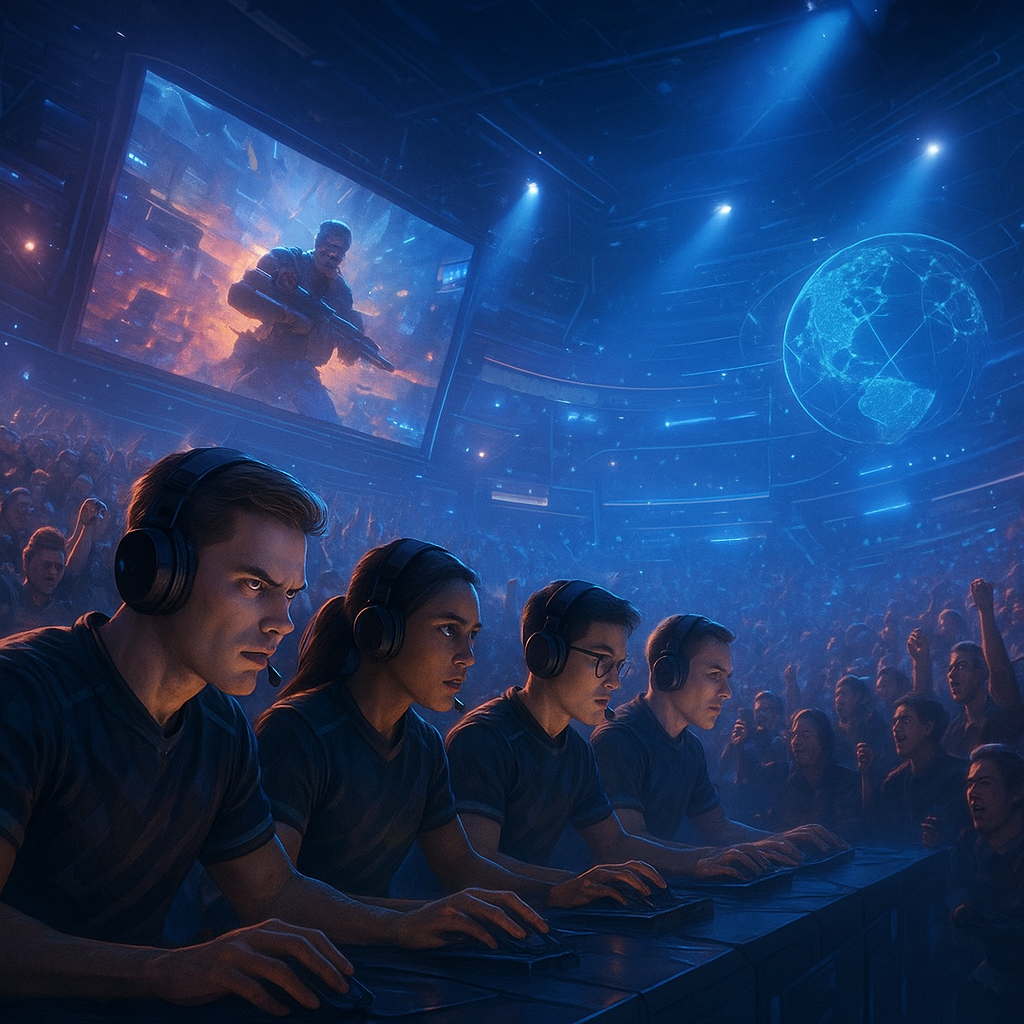
In the early hours of March 21, 2026, over 40 million viewers tuned in worldwide to witness the finals of the Valorant Global Championship. The prize pool topped $10 million, with teams from South Korea, Europe, and North America battling in a packed stadium in Singapore. This event epitomizes the astronomical growth of esports over the past decade. What was once a niche hobby confined to basement LAN parties and small livestreams has catapulted into a multi-billion-dollar industry with cultural, economic, and technological ramifications.
Esports’ rapid ascent is not a mere fad but a seismic shift in how people consume entertainment and engage with competition. Unlike traditional sports, esports transcends geographic, linguistic, and cultural boundaries, uniting a worldwide audience through digital platforms. The energy in arenas rivals that of major sporting events, yet the ecosystem thrives on online interactivity and innovation.
“Esports is no longer just about the games; it’s a new entertainment medium that intersects technology, culture, and commerce in unprecedented ways,” says Dr. Lena Martinez, a media analyst specializing in digital entertainment trends.
Historical Foundations: Charting Esports’ Evolution to 2026
The origins of esports trace back to the 1970s with simple arcade competitions, but the modern era began in the late 1990s and early 2000s with titles like StarCraft in South Korea and Counter-Strike globally. Early tournaments were modest, often organized by grassroots communities or game developers themselves. The first major televised events in the 2010s, such as the League of Legends World Championship, demonstrated the potential of competitive gaming as a spectator sport.
Key milestones accelerated esports’ growth: the rise of streaming platforms like Twitch in the mid-2010s, which democratized access to content; the infusion of venture capital and sponsorships in the early 2020s; and the legitimization of esports athletes through professional contracts and governing bodies. Governments and educational institutions worldwide began recognizing esports, creating scholarships and official leagues.
Furthermore, the integration of advanced analytics and AI coaching tools in the early 2020s helped teams refine strategies and elevate gameplay quality. This professionalization attracted mainstream media attention and corporate investments, fueling infrastructure development such as dedicated esports arenas and training facilities.
“Esports’ trajectory from hobbyist pastime to professional sport is a textbook example of how digital culture reshapes industries,” notes industry veteran Marcus Chen, CEO of Global Esports Federation.
Data-Driven Insights: The Economics and Demographics Behind Esports’ Boom
By mid-2026, the global esports market valuation exceeded $7.5 billion, according to industry research firms. Revenue streams are diversified across media rights, sponsorships, advertising, merchandise, ticket sales, and game publisher fees. Notably, media rights deals have surged, with major broadcasters competing for esports content alongside traditional sports.
Audience demographics have also expanded significantly. While esports initially skewed young and male, recent data from Nielsen shows a more balanced gender distribution (approximately 45% female viewers) and increasing engagement from viewers aged 30-45, driven by nostalgia and mainstream acceptance.
Key statistics illustrating esports’ scale and influence include:
- Over 650 million global viewers engaged with esports content monthly in 2026.
- The Asia-Pacific region accounts for about 48% of esports revenues, led by China, South Korea, and Southeast Asia.
- North America and Europe collectively represent 40% of sponsorship and advertising income.
- The average prize pool for premier tournaments increased by 22% year-on-year since 2023.
Investment patterns reveal growing interest from non-endemic brands — automotive, fashion, and financial services companies now dedicate substantial marketing budgets to esports. This cross-sector appeal is a testament to esports’ cultural penetration.
Comparatively, esports is projected to generate higher revenue growth rates than traditional sports leagues over the next decade, reflecting its digital-native roots and scalability. However, challenges such as regulatory frameworks, player welfare, and market saturation remain.
2026 Milestones: What’s New in the World of Esports This Year?
The year 2026 marks a pivotal phase for esports, with several transformative developments shaping the landscape. Firstly, the integration of artificial intelligence and immersive technologies has redefined how audiences experience competitions. Virtual reality (VR) arenas and augmented reality (AR) overlays now offer fans interactive, multi-perspective viewing options. The advancements in AI and immersive tech have enabled real-time tactical insights and personalized content delivery, enhancing engagement.
Secondly, regulatory bodies worldwide have introduced standardized guidelines addressing player contracts, age restrictions, and intellectual property rights, fostering a safer and more transparent environment. The Global Esports Federation’s 2026 summit in Dubai saw adoption of a unified code of conduct by over 60 national federations, signaling maturation of governance.
Additionally, new game genres have entered competitive circuits, including strategic battle royales and AI-driven hybrid games, expanding the diversity of esports titles. The emergence of cross-platform tournaments has also broken down barriers between console, PC, and mobile esports, reflecting changing consumer habits.
From a commercial perspective, esports franchising models have evolved, with revenue-sharing agreements more favorable to teams and players. Sponsorship activations increasingly leverage metaverse environments, blending digital commerce with fan interaction.
These developments underscore the dynamic nature of esports in 2026, intertwining technology, regulation, and business innovation.
Voices from the Field: Expert Perspectives on Esports’ Impact and Future
Industry leaders emphasize that esports is reshaping not just gaming but also broader cultural and economic structures. Rachel Kim, COO of Titan Esports, remarks that “our players are athletes, influencers, and entrepreneurs rolled into one. Their reach extends beyond the game to social causes, brand building, and global fandom.”
Academic experts highlight esports’ role in digital literacy and STEM education. Universities incorporating esports programs report increased student engagement and career pathways in technology, media, and event management.
However, concerns persist about player health and burnout. Esports teams now invest heavily in mental health support and physical training regimens to sustain long-term performance. The increasing professionalism demands holistic approaches to athlete welfare.
“Esports is a microcosm of 21st-century work and play, blending creativity, technology, and community in ways traditional industries are still trying to understand,” says Professor Samuel O’Neal, a sociologist specializing in digital culture.
Looking Ahead: Trends and Challenges to Watch in Esports’ Next Decade
The trajectory of esports suggests continued expansion but will require navigating several critical challenges. Key areas to observe include:
- Technological innovation: The incorporation of AI coaching, VR/AR experiences, and blockchain for digital ownership promises to deepen fan engagement and monetize content creatively.
- Global regulation: Establishing fair labor standards, anti-doping policies, and cross-border tournament governance will be essential to protect stakeholders and maintain legitimacy.
- Diversity and inclusion: Efforts to increase representation of women, LGBTQ+ individuals, and underrepresented regions must intensify to foster a truly global community.
- Monetization strategies: Expanding beyond sponsorship and media rights into fan-driven models like NFTs and interactive metaverse events will shape revenue growth.
- Player development: Creating sustainable career pathways with education, healthcare, and post-competition opportunities is critical to long-term viability.
Esports will continue intersecting with cultural trends and technological advances, making it an influential force in entertainment and beyond. Industry watchers should track how emerging markets adopt esports and how traditional sports entities respond to competition and collaboration opportunities.
For readers seeking a deeper exploration of esports’ cultural and commercial dimensions, see our comprehensive coverage in How Esports Is Redefining Competition, Culture, and Commerce in 2026 and the in-depth analysis of ecosystem dynamics in Inside Esports: Unraveling the Forces Behind Competitive Gaming’s Global Surge.