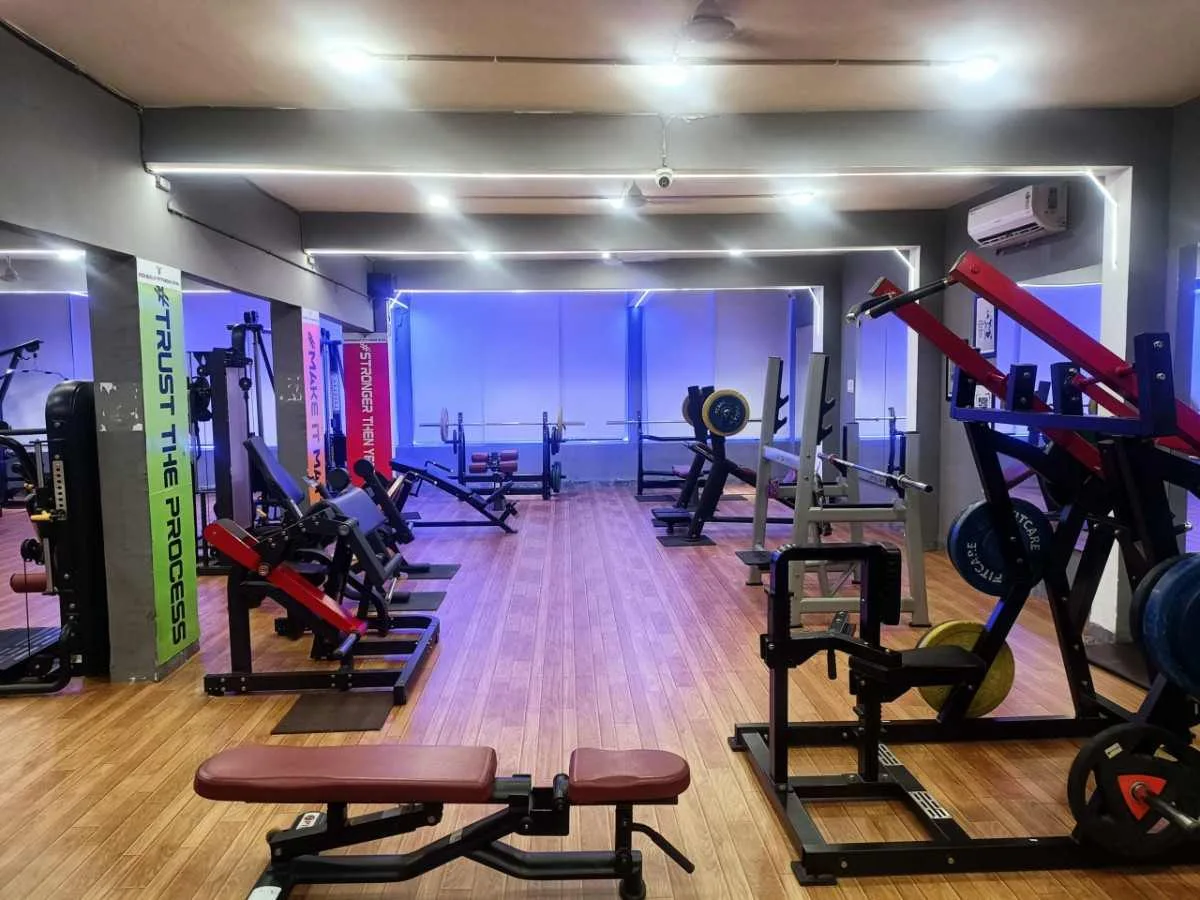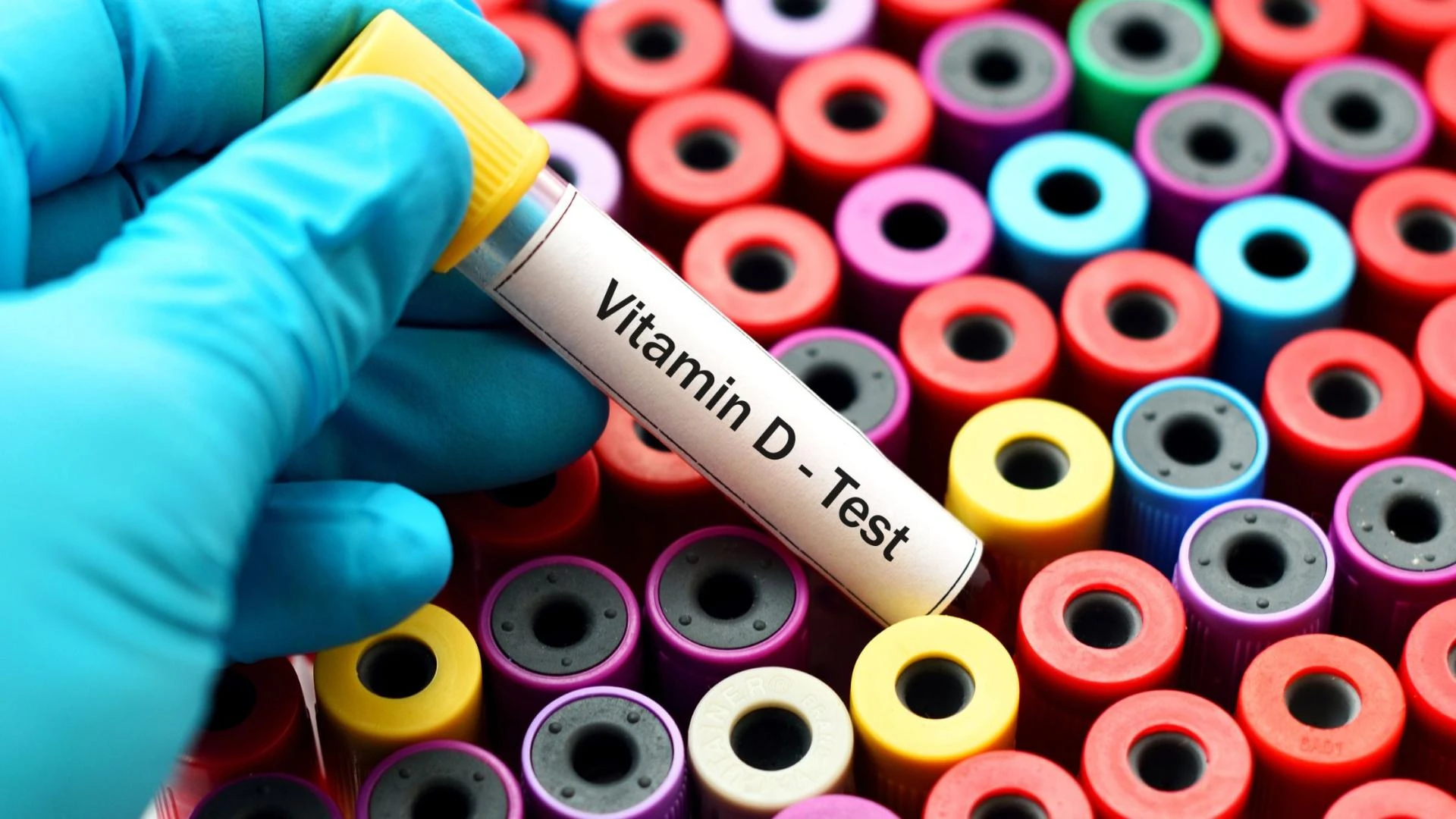
Spending most days indoors can quietly shape how the immune system responds. Reduced sunlight, long screen time, limited movement, and poor sleep may affect recovery and energy. If symptoms recur, a vitamin D test may be part of the tests a doctor considers during a health review.
This blog explains how an indoor lifestyle may affect immunity and what common blood tests can show.
How an Indoor Lifestyle Affects Immunity
Spending most of the day indoors can change habits that support normal immune function. These shifts often build gradually.
- Lower sunlight exposure, which may affect vitamin D levels
- Less movement can affect overall fitness
- Late nights and screens, which may disturb sleep
- Higher stress, which may affect recovery
- More contact with indoor dust and damp air
What Medical Tests Reveal
Tests do not diagnose lifestyle issues on their own, but they can show patterns worth discussing. Results are most useful when compared with symptoms, history, and the lab reference range.
Vitamin D Test (25-OH Vitamin D)
This test measures vitamin D status and may be listed as a 25-hydroxyvitamin D test. Low values can be observed in individuals with limited sun exposure, but the report requires clinical interpretation because diet, supplements, and medical history also matter.
If advised, you can book 25-hydroxyvitamin D test appointments at a time that suits the lab’s preparation instructions. When reading the result, check the reference range and note any recent changes in routine.
Complete Blood Count (CBC)
A CBC reports red blood cells, white blood cells, and platelets. Doctors may review it when there is fatigue, frequent illness, or slow recovery. The overall pattern and comparisons with older reports are usually more useful than a single value.
C-Reactive Protein (CRP)
CRP is linked with inflammation. It cannot show the exact cause, but it may support follow-up decisions. Recent infections, dental problems, and strenuous exercise can affect CRP levels, so the timing of the test and current symptoms matter.
Allergy Panel Tests
Allergy panels can show sensitivity to common indoor triggers. Results are read alongside symptoms such as sneezing, a blocked nose, itching, or breathing discomfort. A positive result does not always match symptoms, so medical interpretation is important.
Signs You May Need a Vitamin D Test
Symptoms associated with low vitamin D can overlap with those of stress and poor sleep. Testing is usually considered when symptoms continue.
- Ongoing tiredness despite rest
- Muscle weakness or reduced stamina
- Frequent aches affecting daily comfort
- Slow recovery from minor illnesses
- Very limited daylight exposure
- Checking the vitamin D test price early can simplify planning
Conclusion
Indoor living does not automatically weaken immunity, but it can reduce sunlight and disrupt sleep and activity. Blood tests can help by showing whether results are within the reference range and whether a trend is developing. For a clearer view, compare with earlier reports and share details about sleep, illness, medicines, and supplements. Many people choose to book a vitamin D test online through Lupin Diagnostics to fit testing into busy workdays.