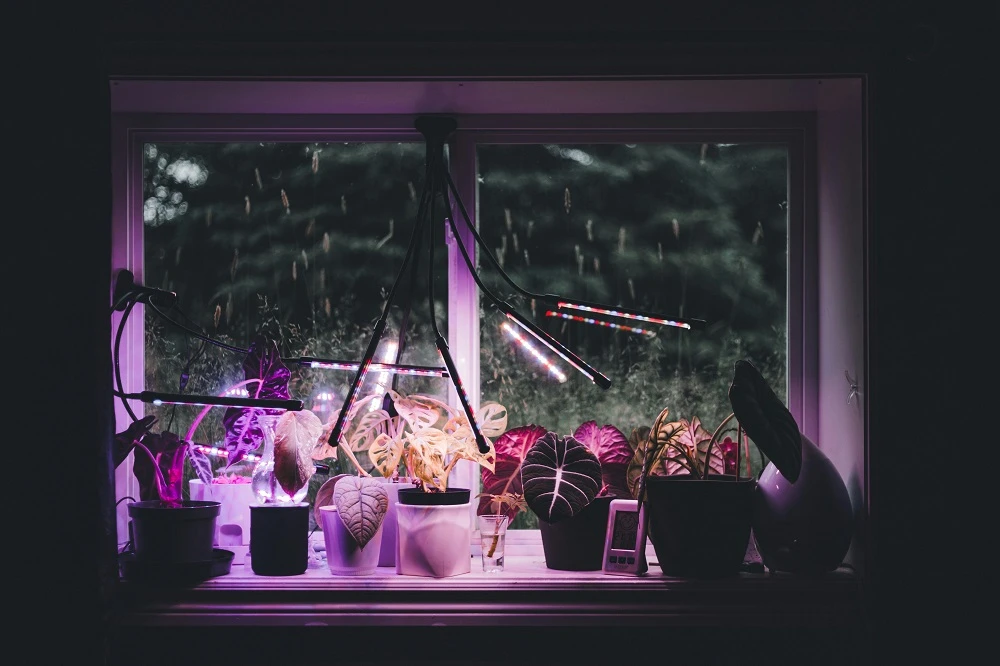
Indoor gardening has grown from a hobby into a productive solution for fresh food, houseplants and even commercial yields. But growing plants indoors year-round comes with one big challenge: lighting.
That’s where Indoor LED Grow Lights shine — literally!
Whether you're growing herbs in winter, starting seeds in spring or maintaining tropical plants in summer, the Best LED Grow Lights help replicate nature’s sunlight regardless of the season. In this article, we’ll explore how LED lighting supports plant growth all year long, what seasonal adjustments to consider, and how to choose the best lighting setup for your needs.
Why Indoor LED Grow Lights Matter Year-Round?
Plants depend on consistent light to thrive. Outdoor sunlight naturally shifts with the seasons—days are shorter in winter and longer in summer. When growing indoors, this inconsistency doesn’t matter—LED grow lights give you total control.
Here’s why LEDs are a top choice:
- Energy-efficient: Use less electricity than traditional lighting.
- Low heat output: Won’t burn plants or overheat small spaces.
- Customizable spectrum: Mimic seasonal sunlight for optimal growth stages.
- Long lifespan: A one-time investment can last for years.
From seedlings to fruiting plants, the right grow light keeps photosynthesis going—even in a snowstorm.
Spring: Starting Strong with LED Lighting
Spring is prime time for seed starting and plant propagation. Indoor gardeners use LED lights to get a head start before transplanting outdoors or to raise full indoor crops.
Tips for Spring Use:
- Use full-spectrum LEDs to promote root development and leafy growth.
- Aim for 14–16 hours of light per day to mimic spring daylight.
- Adjustable height and dimming are useful for sensitive seedlings.
Many of the Best LED Grow Lights include programmable timers and intensity controls, perfect for adjusting as your plants grow taller.
Summer: Supporting Growth in Heat and Light
While summer brings natural light, many indoor growers still rely on LED grow lights—especially in apartments, shaded homes, or greenhouses. In regions where summers are too hot, plants may even fare better under controlled indoor conditions.
LED Advantages in Summer:
- LEDs produce minimal heat, reducing stress on plants and keeping grow spaces cool.
- For fruiting crops like tomatoes or peppers, red-enhanced LED spectrums support bloom and fruit production.
- In greenhouses, LEDs can be used as supplemental lighting during cloudy days or for longer photoperiod plants.
Fall: Preparing Plants for Dormancy or Extended Growth
In autumn, days get shorter and natural light weakens—especially critical for indoor plants near windows. Grow lights take over the job of sunlight, keeping your plants active or helping them prepare for dormancy.
Fall Lighting Tips:
- For flowering houseplants, switch to a bloom spectrum (more red light).
- Maintain 12–14 hours of light depending on plant needs.
- Keep LEDs clean and free from dust to maintain efficiency as indoor activity increases.
Whether you're harvesting herbs or extending your growing season, the right light setup ensures no disruption in growth.
Winter: Full Reliance on Indoor LED Grow Lights
Winter is where Indoor LED Grow Lights truly shine. With short days and limited sunlight, indoor lighting becomes the sole energy source for plants.
Winter Essentials:
- Use high-efficiency LEDs to avoid spikes in electricity bills.
- Consider adjustable spectrum grow lights that can simulate longer daylight hours.
- Provide 14–16 hours of light for most leafy greens, herbs, and succulents.
Look for some of the Best LED Grow Lights that come with automated timers, daisy-chain connections, and uniform light distribution—great for winter grows in tight indoor spaces.
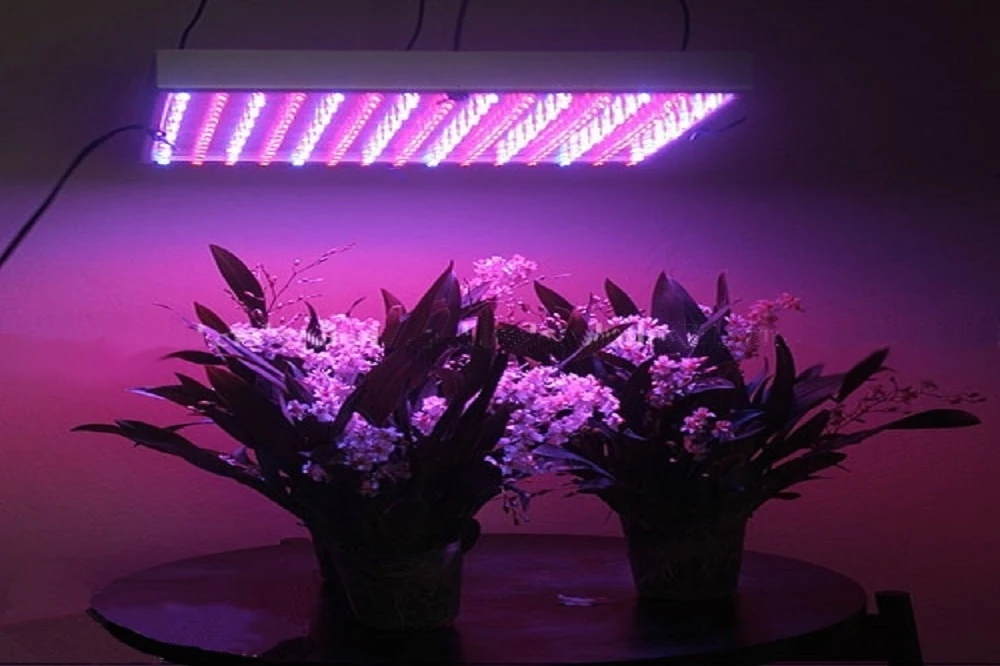
Choosing the Best LED Grow Lights for All Seasons
Not all grow lights are created equal. To grow successfully through all four seasons, consider the following when choosing your LED setup:
- Full spectrum output: Mimics natural sunlight and supports all growth stages.
- Adjustable features: Dimming, timing, and light spectrum control are key.
- Energy efficiency: Look for certifications and low power draw.
- Coverage area: Match the size of your grow tent, shelf, or room.
- Durability: Aluminum casing, water resistance, and long warranties are worth the investment.
Grow Smarter, Not Just Year-Round
With modern Indoor LED Grow Lights, your growing season never has to end. Whether it’s salad greens in January or orchids blooming in July, you can craft the perfect environment for any plant, any time of year. Seasonal shifts don’t have to slow your garden down—with the right light, your plants keep thriving.