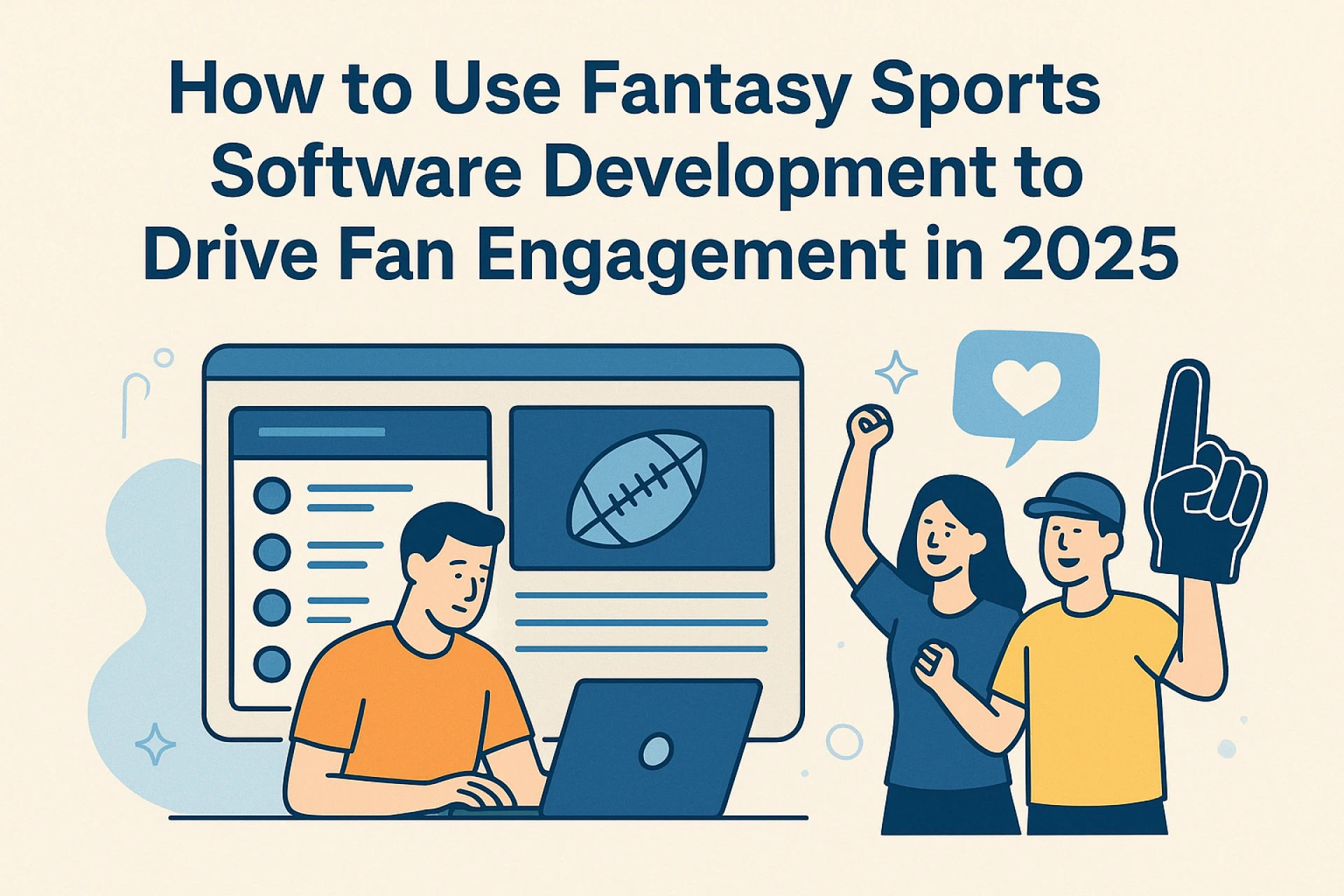
The world of sports has never been just about games—it’s about emotions, loyalty, and the fan experience. In 2025, one of the most powerful tools to boost this experience is Fantasy Sports Software Development. With the rise of sports tech and the increasing popularity of daily fantasy sports, teams, leagues, and brands are turning to innovative fantasy sport software solutions to connect with fans on a deeper level.
This article explores how fantasy sports platforms are evolving and how businesses can leverage them to maximize fan engagement in 2025.
The Growing Role of Fantasy Sports Software Development
Fantasy sports have become a cultural phenomenon. Fans are no longer just spectators—they want to interact, analyze, and compete. This demand has pushed the boundaries of software development in the sports industry.
Modern fantasy sports software development focuses on:
- User-friendly design for smooth onboarding and easy gameplay.
- Real-time gaming features such as live scoring and instant updates.
- Multi-sport support allowing fans to enjoy cricket, football, basketball, baseball, and more on one platform.
- Social interaction tools like leaderboards, chatrooms, and community challenges.
In 2025, fan engagement is no longer about passive watching. It’s about active participation powered by advanced sports tech.
Why Fantasy Sport Software is a Game-Changer
Engagement is the currency of the digital age. For sports leagues, broadcasters, and sponsors, engaging fans is critical to building loyalty and revenue. Fantasy sport software enables this in several ways:
- Personalization: Fans can build teams based on their favorite players and strategies, making the experience uniquely theirs.
- Competition: Daily and seasonal contests keep fans excited, encouraging repeat engagement.
- Community: Fantasy leagues create a sense of belonging where fans interact with friends, coworkers, or global users.
- Monetization: Daily fantasy sports platforms open new revenue streams through subscriptions, entry fees, and in-app purchases.
With fantasy sports software, fans are no longer passive—they are decision-makers, strategists, and part of the action.
Also read: 7 Key Features Of Fantasy Sports Apps You Need
The Role of Sports Tech in Enhancing Fan Experiences
The sports industry in 2025 is powered by sports tech innovations like AI, blockchain, and augmented reality. These technologies are deeply integrated into fantasy sports software development to deliver immersive experiences.
- AI and Analytics: Real-time data analysis provides fans with insights to make smarter picks and strategies.
- Blockchain: Ensures secure transactions and transparent prize distribution.
- Augmented Reality (AR): AR-driven visuals allow fans to experience matches in an interactive way, making fantasy sports more engaging.
- Mobile-first development: Since most fans engage through smartphones, platforms are designed with mobile performance as the priority.
These integrations not only improve user experience but also enhance trust—an important part of Google’s E-E-A-T framework.
Daily Fantasy Sports: Driving Short-Term Engagement
Traditional fantasy leagues often span an entire season, but the rise of daily fantasy sports has changed the game. Fans can now create teams and compete in contests that last for just one match or a single day.
This format:
- Attracts casual fans who prefer instant gratification.
- Keeps engagement high even for off-season matches.
- Provides frequent opportunities for monetization.
Daily fantasy sports, when paired with effective fantasy sports software development, ensures consistent fan activity and platform growth.
Strategies to Use Fantasy Sports Software Development for Fan Engagement
If you’re a sports organization, brand, or startup, here are ways you can leverage fantasy sport software in 2025:
1. Offer Multi-Sport Support
Cater to a wider audience by including cricket, football, basketball, and emerging sports. This ensures fans engage year-round.
2. Gamify the Experience
Introduce achievements, badges, and leaderboards to make gameplay more exciting. Gamification boosts retention and participation.
3. Integrate Social Features
Fans love to share their victories. Allow easy integration with social platforms and enable private league creation among friends.
4. Focus on Mobile-First Development
With most users accessing platforms via smartphones, ensure your software development approach is optimized for mobile speed and UX.
5. Use Real-Time Data
Provide live match updates, scoreboards, and player performance stats. Real-time engagement keeps fans hooked throughout the game.
6. Enable Safe and Transparent Payments
In daily fantasy sports, financial trust is critical. Use secure payment gateways and blockchain to ensure transparency.
The Future of Fantasy Sports Engagement
By 2025, fantasy sports will not just be about picking players—it will be about creating immersive fan journeys. Imagine:
- Fans using AR glasses to watch their fantasy players in action.
- AI coaches suggesting optimal lineups.
- Cross-platform engagement where fantasy performance impacts e-sports or metaverse experiences.
This evolution is possible only through innovative fantasy sports software development backed by modern sports tech.
Conclusion
Fan engagement is the heartbeat of modern sports, and fantasy sport software is the tool that makes it possible. With advanced software development strategies, integration of sports tech, and the rising popularity of daily fantasy sports, 2025 will see deeper, more interactive, and more rewarding fan experiences than ever before.
For leagues, brands, and entrepreneurs, investing in fantasy sports software development is no longer optional—it’s the future of fan engagement.