
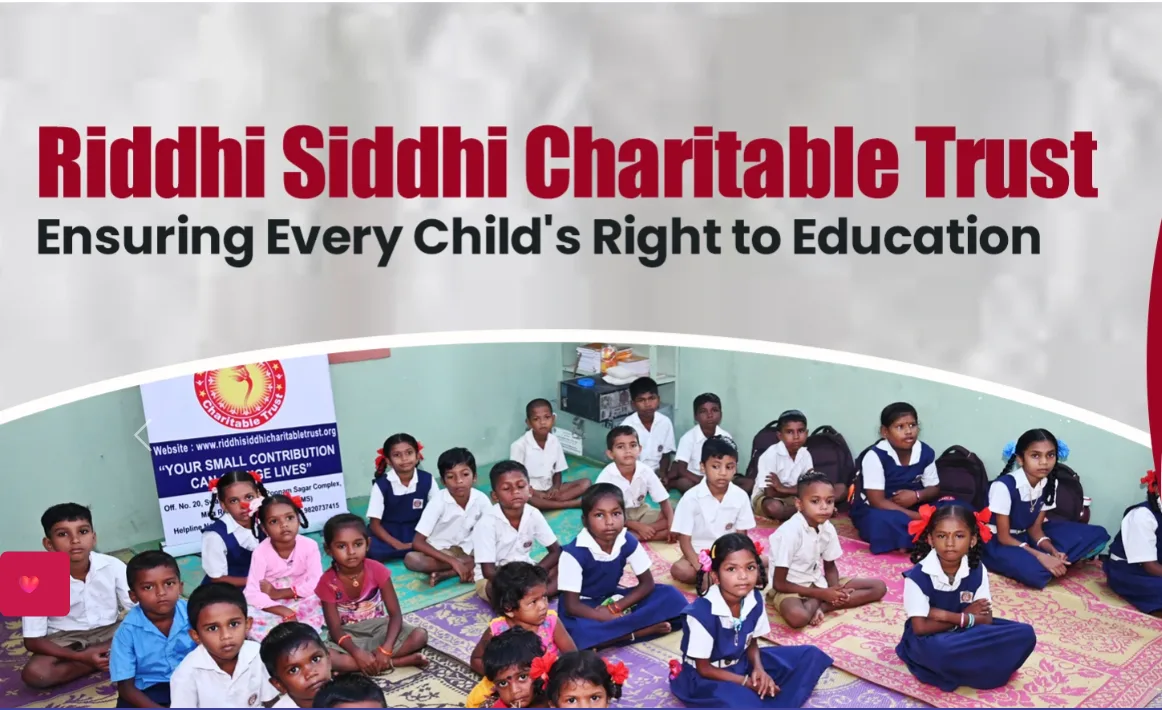
Finding the best place to donate money in India is no longer just about charity—it is about creating measurable social impact. Today, millions of families across the country still struggle with poverty, lack of education, malnutrition, and healthcare inequality. At the same time, awareness around help poor children donation initiatives has grown significantly, with more people choosing transparent and purpose-driven giving. According to recent UNICEF-linked reports, despite improvements in poverty reduction, millions of Indian children still lack access to essential services like nutrition, healthcare, and quality education.
Why Donations Matter More Than Ever in India
India has made notable progress in reducing multidimensional poverty over the last decade. Government initiatives, educational reforms, and social welfare programs have helped many families improve their standard of living. However, the gap between privileged and underprivileged communities remains significant.
Children living in economically weaker households often face challenges such as:
- School dropouts due to financial pressure
- Lack of nutritious meals
- Limited access to digital education
- Child labor risks
- Poor healthcare facilities
- Unsafe living environments
Recent child welfare reports highlight that millions of children still experience deprivation in education, nutrition, sanitation, and healthcare access.
This is where public donations play a critical role. Even small contributions can help fund school supplies, nutritious meals, healthcare support, skill development programs, and safe shelter facilities for vulnerable children.
The Real Meaning of Responsible Giving
Responsible giving is not about donating large amounts once a year. It is about consistent support directed toward meaningful causes.
Before donating, people should evaluate:
Transparency
A trustworthy donation platform or charitable initiative should clearly explain:
- How funds are used
- Program objectives
- Impact reports
- Beneficiary reach
- Financial accountability
Transparency builds confidence and ensures contributions genuinely help communities in need.
Long-Term Impact
One-time aid can provide temporary relief, but long-term development programs create sustainable change. Donations focused on:
- Education
- Nutrition
- Healthcare
- Women empowerment
- Vocational training
often produce stronger social outcomes over time.
Child-Centered Development
Children are among the most vulnerable groups affected by poverty. Supporting child welfare programs helps break generational cycles of poverty by improving access to education, nutrition, and emotional well-being.
Education Donations Create Lifelong Change
Education remains one of the strongest tools for poverty reduction in India. Multiple studies continue to show a direct connection between improved education access and reduced poverty levels.
Unfortunately, many children still leave school early because their families cannot afford:
- School fees
- Uniforms
- Books
- Transportation
- Digital learning tools
Donations that support education can help:
- Keep children in school
- Reduce child labor
- Improve literacy rates
- Increase future employment opportunities
- Strengthen community development
Experts also emphasize that educational investment creates long-term economic and social benefits for entire families and communities.
Nutrition and Healthcare Support Are Equally Important
Children cannot learn effectively without proper nutrition and healthcare support. Malnutrition continues to affect many low-income households across India, especially in rural and underserved regions.
Donation-driven meal programs often provide:
- Daily nutritious food
- Health checkups
- Vaccination support
- Hygiene awareness
- Emergency medical assistance
Several welfare initiatives and government-supported child programs have shown positive results when communities actively participate in social support systems.
Healthy children are more likely to:
- Attend school regularly
- Perform better academically
- Avoid long-term health complications
- Build confidence and emotional stability
How Technology Is Improving Donation Transparency
Digital transformation has significantly changed the charitable landscape in India. Today, online giving platforms allow donors to:
- Track contributions
- Receive impact updates
- Access digital receipts
- Monitor project progress
- Support specific causes directly
This transparency has encouraged more young donors and working professionals to participate in philanthropy.
According to philanthropy research reports, India’s social sector funding has steadily increased in recent years, showing stronger public engagement in social welfare initiatives.
Digital fundraising campaigns, crowdfunding platforms, and online awareness initiatives have also helped connect donors with grassroots social programs more effectively.
Supporting Poor Children Is an Investment in India’s Future
When children receive proper support during their early years, the impact extends far beyond individual lives. It contributes to:
- Better literacy rates
- Reduced crime
- Stronger workforce participation
- Economic growth
- Social stability
Children who receive educational and emotional support are more likely to become financially independent adults capable of uplifting future generations.
Reports from various welfare studies indicate that poverty reduction becomes more sustainable when education and child welfare programs are prioritized together.
What Donors Should Look for Before Contributing
Choosing the right cause requires careful evaluation. Donors should prioritize initiatives that demonstrate:
- Clear mission and goals
- Financial accountability
- Regular impact reporting
- Strong grassroots involvement
- Focus on long-term development
It is also important to support causes aligned with personal values, whether related to:
- Child education
- Hunger relief
- Women empowerment
- Elder care
- Rural development
- Healthcare access
Thoughtful giving creates deeper emotional satisfaction because donors know their support is making a genuine difference.
The Growing Culture of Giving in India
India is witnessing a positive shift toward community-driven social responsibility. Young professionals, entrepreneurs, students, and families are increasingly participating in donation campaigns, volunteer work, and awareness drives.
Corporate social responsibility initiatives, online fundraising platforms, and social media campaigns have further amplified the culture of giving.
More importantly, people now understand that social change does not depend solely on governments or large organizations. Collective community action can also create meaningful transformation.
Final Thoughts
The decision to donate is ultimately a decision to support hope, dignity, and opportunity. Whether the contribution is small or large, every effort matters when directed toward meaningful causes.
Choosing the right initiative involves understanding where help is genuinely needed and ensuring that donations support sustainable impact. From education and nutrition to healthcare and emotional support, child-focused welfare programs continue to play a vital role in building a stronger and more compassionate India.
In a country where millions of children still struggle for basic opportunities, thoughtful and responsible donations can become powerful tools for lasting social change.