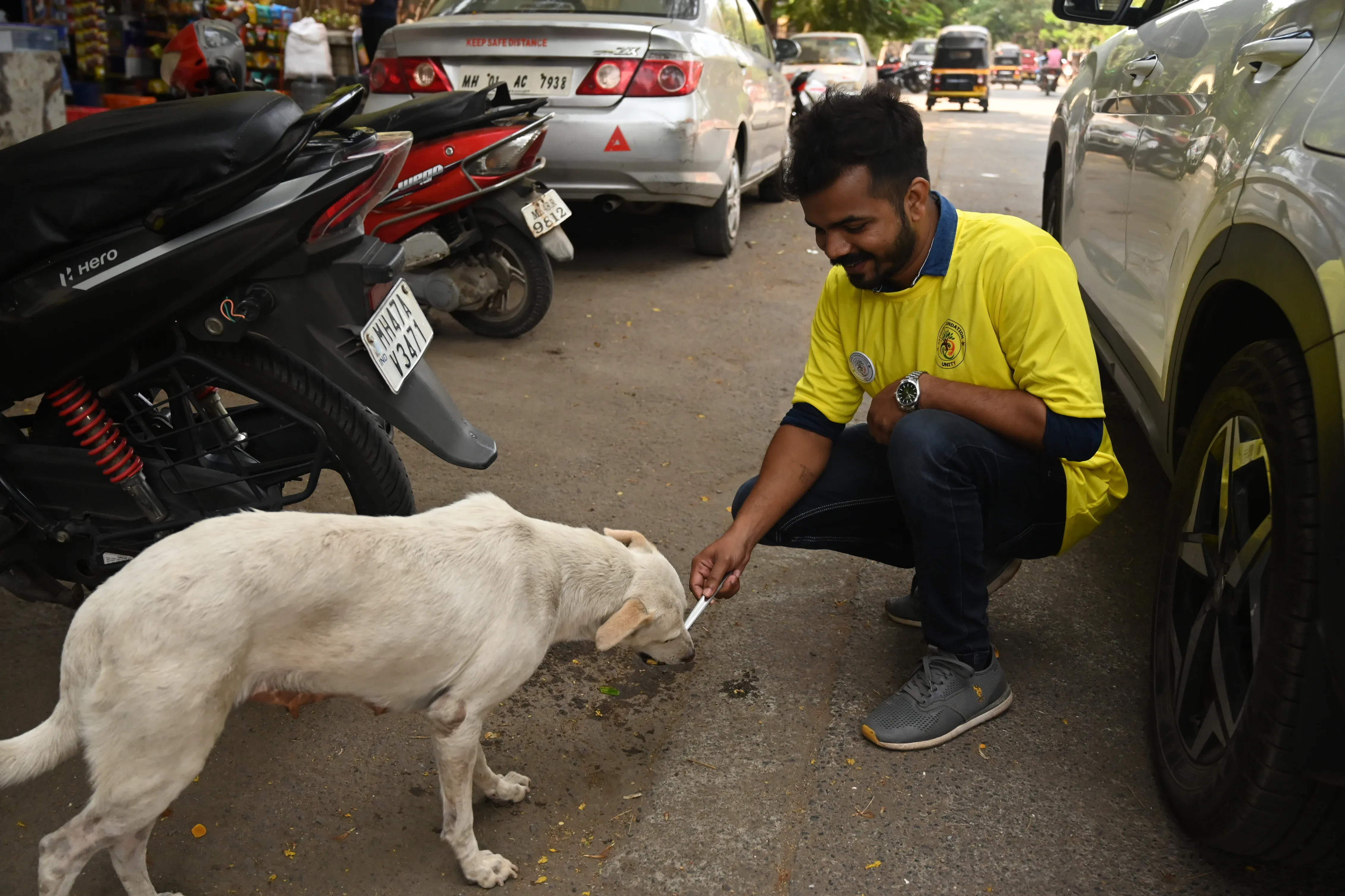
Urban life in Mumbai is vibrant, fast-paced, and full of energy—but alongside this growth exists a silent population that often goes unnoticed: stray dogs. These animals roam the streets facing hunger, disease, injuries, and harsh weather conditions. Choosing to donate for stray dogs in Mumbai is not just an act of kindness; it is a responsible step toward building a more humane and balanced urban ecosystem.
Stray dogs play an important role in maintaining ecological balance by controlling waste and rodent populations. However, without proper care, they are vulnerable to malnutrition, infections, and accidents. This is where individuals and communities can step in to make a meaningful difference.
Understanding the Reality of Stray Dogs
Mumbai, like many metropolitan cities, has a large population of stray animals. These dogs are often born on the streets and struggle daily for survival. Limited access to food, clean water, and medical attention makes their lives extremely challenging. Many suffer from untreated wounds, skin diseases, and life-threatening infections.
Despite these hardships, stray dogs are generally non-aggressive when treated with care. In fact, community dogs often become protective and friendly when regularly fed and looked after. Supporting their well-being contributes to safer neighborhoods and reduces human-animal conflicts.
Why Supporting Social Work Matters
When you support NGO for social work, especially those focusing on animal welfare, you contribute to structured and impactful initiatives. These organizations typically work on:
- Rescue and Rehabilitation: Providing shelter and medical treatment to injured or sick dogs.
- Vaccination Drives: Preventing diseases like rabies and ensuring public safety.
- Sterilization Programs: Controlling the stray population humanely.
- Feeding Programs: Ensuring regular nutrition for street animals.
Your contribution enables these initiatives to continue sustainably. Even small donations can help provide meals, vaccines, or emergency treatment for multiple animals.
The Impact of Your Contribution
Every donation, regardless of size, creates a ripple effect. Feeding one dog might seem like a small act, but collectively, it can transform the lives of hundreds. Financial support helps in organizing medical camps, arranging transport for injured animals, and maintaining shelters.
Moreover, consistent support ensures long-term planning. Instead of temporary relief, organizations can invest in preventive care, awareness campaigns, and infrastructure development. This leads to a systematic approach to animal welfare rather than sporadic efforts.
Beyond Donations: Other Ways to Help
While monetary contributions are crucial, there are several other ways to support stray dogs:
- Volunteering: Spend time feeding or caring for animals in your locality.
- Adoption: Give a stray dog a permanent home and loving environment.
- Awareness: Educate others about humane treatment and responsible behavior toward animals.
- Community Feeding: Organize or participate in feeding drives in your area.
These actions, combined with donations, amplify the overall impact.
Building a Humane Society
Helping stray dogs is not just about animals—it reflects the values of society. Compassion toward voiceless beings indicates emotional intelligence and ethical responsibility. Cities that actively care for their stray populations tend to have more harmonious human-animal relationships.
Supporting animal welfare also aligns with broader social work goals. It promotes empathy, community participation, and sustainable urban living. When people come together for a cause like this, it strengthens social bonds and creates a culture of care.
Final Thoughts
Stray dogs in Mumbai are an integral yet vulnerable part of the city’s ecosystem. Their survival depends largely on human compassion and intervention. Choosing to contribute, whether through donations or active involvement, can significantly improve their quality of life.
When you take a step to help, you are not just feeding a hungry animal—you are contributing to a kinder, safer, and more compassionate society.