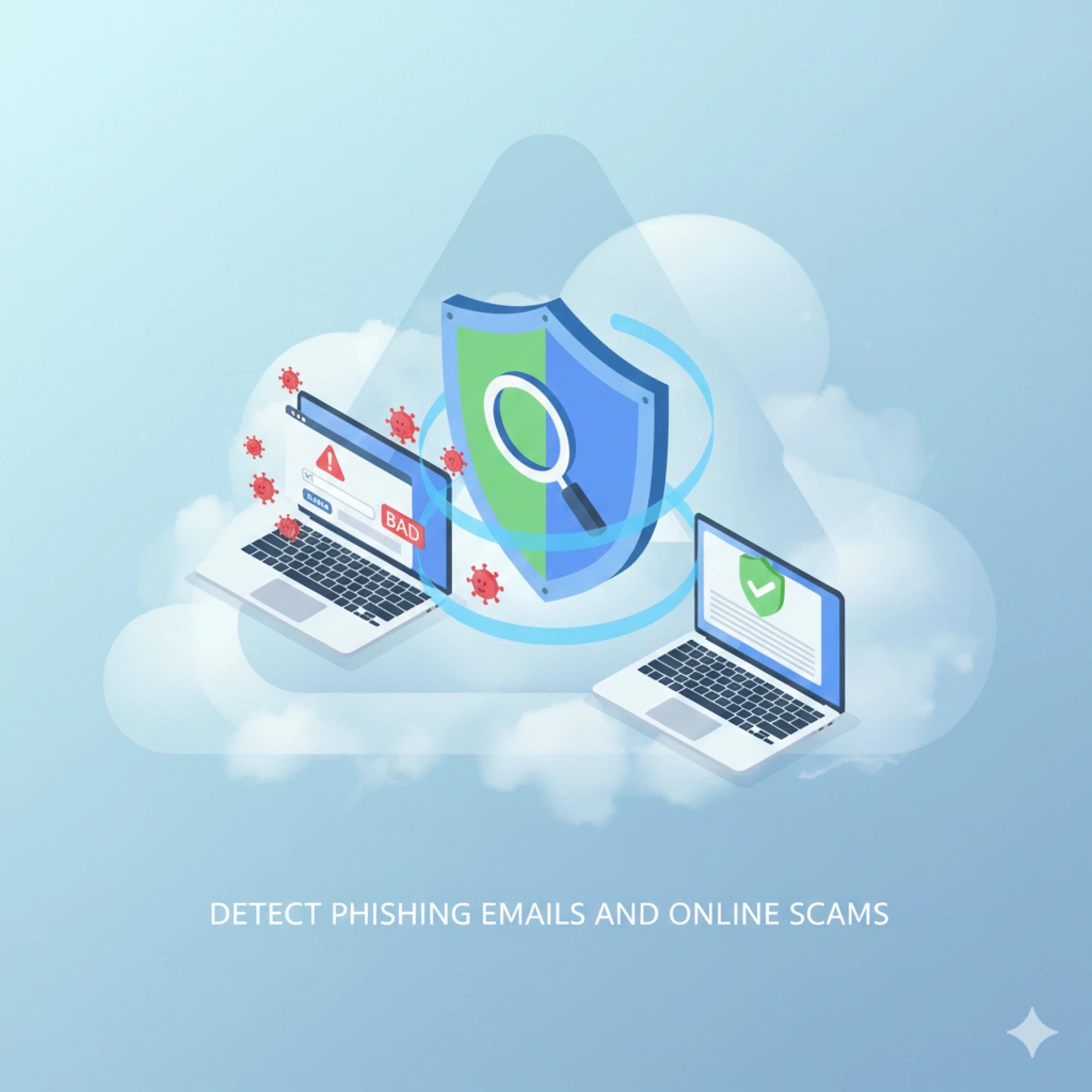
In an era where data is the new currency, your inbox has become a primary battlefield. Cybercriminals no longer just "hack" systems; they hack human psychology. To protect your legacy, you must move beyond basic caution and adopt a professional standard of digital awareness.
The Anatomy of a Modern Scam
Understanding how to detect phishing emails is the first step in reclaiming your digital sovereignty. Most scams rely on "unscripted" urgency—a sudden notification that your account is locked, an unexpected invoice, or a "once-in-a-lifetime" opportunity. These are designed to bypass your logic and trigger an emotional reaction.
Key Indicators of a Phishing Attempt
To lead with vigilance, you must look for the technical discrepancies that scammers try to hide:
- Domain Discrepancies: Always hover over the sender's name. A legitimate email from a major brand will never come from a generic public domain (like @gmail.com) or a misspelled lookalike (like @https://www.google.com/search?q=micros0ft.com).
- The "Urgency" Trap: If an email demands immediate action under threat of account suspension, it is a red flag. Legitimate institutions provide clear, calm protocols for security issues.
- Suspicious Links: Before clicking, hover your cursor over any button or link to see the actual destination URL in the bottom corner of your browser. If it doesn’t match the official website, do not engage.
Mastering Your Digital Defense
True system resilience comes from proactive education. By mastering the art of detection, you ensure that your sensitive assets and personal identity remain under your control. For a comprehensive masterclass on staying safe, you can detect phishing emails and online scams by following the expert blueprints laid out at Microespana Tools.
By adopting these high-performance security habits, you aren't just avoiding a scam—you are securing your future as a Legacy Maker in the digital age. https://microespanatools.com/detect-phishing-emails-and-online-scams-2/