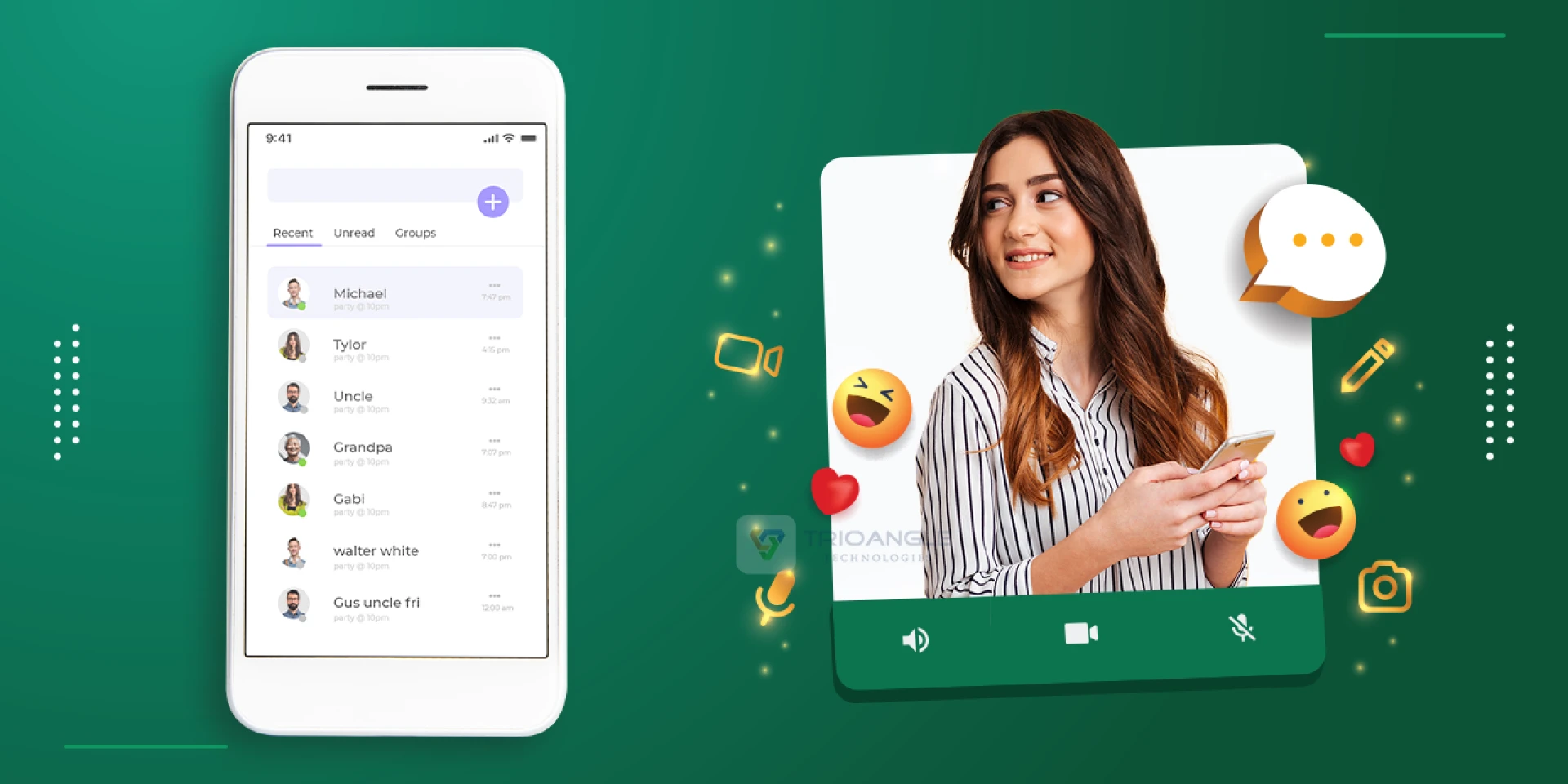
The rise of WhatsApp has transformed how people communicate globally. With billions of active users, it has set a high benchmark for speed, simplicity, and security. If you're planning to enter the messaging app market, building a scalable, secure, and user-friendly platform is critical. This guide explains the essential steps to design, develop, and launch a high-performance messaging app successfully.
Before development begins, conduct in-depth market research. Study competitors like Telegram and Signal to identify feature gaps and opportunities. Determine:
Who is your target audience?
What pain points are you solving?
What makes your app different?
Scalability begins with clarity. Whether you focus on privacy-first communication, business messaging, or community engagement, a well-defined niche gives your app direction.
A scalable messaging app requires a robust technology foundation. Typically, modern messaging platforms use:
Frontend: Flutter, React Native, or Swift/Kotlin for smooth cross-platform performance
Backend: Node.js, Erlang, or Java for handling high concurrent connections
Database: MongoDB, Cassandra, or PostgreSQL for efficient data storage
Cloud Infrastructure: AWS, Google Cloud, or Azure for auto-scaling and global availability
For real-time messaging, WebSockets or MQTT protocols ensure instant message delivery. Microservices architecture is highly recommended for scaling individual components independently.
To compete with established apps, your platform must include essential features:
Real-time text messaging
Voice and video calling
Media sharing (images, videos, documents)
End-to-end encryption
Group chats and broadcast lists
Push notifications
Security is non-negotiable. Implement end-to-end encryption protocols similar to industry standards to protect user conversations. Performance optimization techniques like message queuing and load balancing are also vital.
Scalability should be embedded from day one. Consider:
Horizontal scaling using load balancers
Auto-scaling cloud servers
Distributed databases to prevent bottlenecks
Content Delivery Networks (CDNs) for faster media transfers
Caching frequently accessed data reduces server load. Monitoring tools help detect performance issues before they impact users. Planning infrastructure early is crucial if you're researching how to create a WhatsApp clone app that can handle millions of users seamlessly.
Simplicity is key. The success of WhatsApp lies in its intuitive interface. Focus on:
Clean navigation
Minimal loading time
Easy onboarding
Accessibility-friendly design
User retention often depends more on experience than features. Conduct usability testing and gather feedback during beta launches to refine the interface.
Messaging apps require a sustainable business model. Options include:
Freemium with premium features
Subscription plans for businesses
In-app advertisements
API integration for enterprise solutions
Many startups exploring how to create a WhatsApp clone app underestimate monetization planning. Revenue strategies should align with user expectations without compromising experience.
Rigorous testing ensures stability and reliability. Perform:
Functional testing
Load and stress testing
Security audits
Cross-device compatibility testing
Compliance with data protection laws like GDPR is essential if targeting international markets. Secure data handling builds long-term trust.
Once development and testing are complete, focus on marketing and growth strategies:
App Store Optimization (ASO)
Social media campaigns
Referral programs
Influencer partnerships
After launch, continuously monitor analytics, track user behavior, and roll out updates. Scalability doesn’t stop at deployment; it requires continuous infrastructure upgrades and feature improvements.
Building a scalable messaging app like WhatsApp requires careful planning, strong architecture, and continuous innovation. From defining your niche to ensuring secure infrastructure, every stage plays a crucial role in long-term success. Entrepreneurs and startups researching how to create a WhatsApp clone app must prioritize scalability, security, and user experience to compete effectively in today’s dynamic digital communication landscape.