
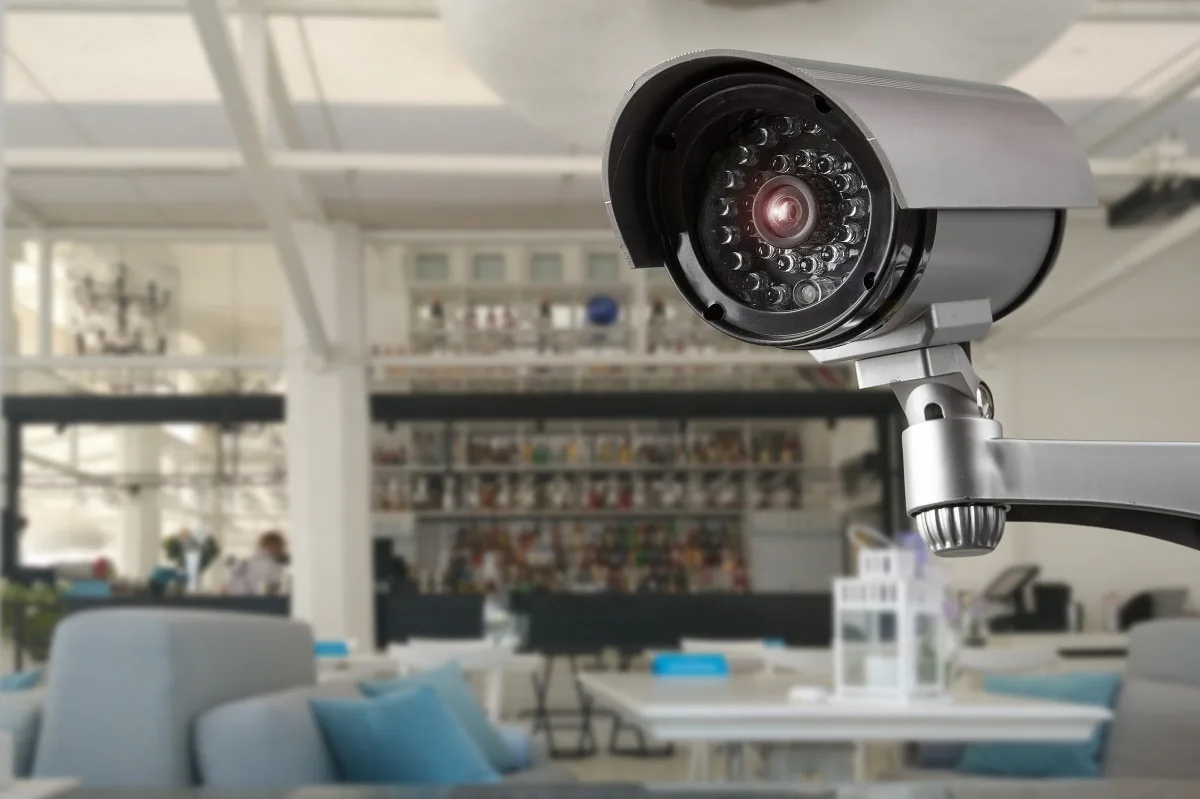
Security is an important consideration for businesses, office buildings, retail outlets and commercial properties in Abu Dhabi. With valuable equipment, employees, customers and business assets to protect, installing a reliable CCTV camera system can help organizations monitor their premises and improve security management.
However, choosing the right CCTV cameras in Abu Dhabi involves more than selecting cameras with high resolution. Businesses must consider building size, surveillance coverage, lighting conditions, video storage, monitoring requirements and applicable security regulations. Understanding these factors helps property owners and facility managers select a suitable CCTV surveillance system for their commercial premises.
Why Do Commercial Buildings Need CCTV Camera Systems?
A commercial CCTV camera system helps businesses monitor activities across different areas of their premises. It provides video surveillance that can support security monitoring, incident investigation and access management.
For commercial buildings in Abu Dhabi, CCTV cameras can be useful in:
- Office entrances and reception areas
- Parking facilities and vehicle entry points
- Corridors, staircases and elevators
- Warehouses and storage facilities
- Retail stores and commercial spaces
- Building perimeters and outdoor areas
A properly planned video surveillance system helps security teams observe important locations, review recorded footage and respond more effectively to security incidents.
7 Factors to Consider When Choosing a CCTV Camera System
1. Identify Your Commercial Building's Security Requirements
Before selecting CCTV cameras, identify the security requirements of the building. Different commercial properties have different surveillance needs depending on their size, layout, business activities and security risks.
For example, an office building may require cameras at reception areas, entrances, corridors and parking facilities. A warehouse may need additional surveillance for loading zones, storage areas and external boundaries.
Conducting a security assessment helps determine the number of cameras, their installation positions and the required monitoring coverage. It also helps businesses avoid unnecessary camera installations while ensuring important areas are not overlooked.
2. Choose the Right CCTV Camera Type
Different CCTV camera types are designed for different surveillance environments. Selecting the appropriate camera depends on the location, viewing angle and level of detail required.
Common CCTV camera types include:
Dome Cameras: These cameras are commonly used in offices, retail spaces and indoor commercial environments. Their compact design makes them suitable for reception areas and corridors.
Bullet Cameras: Designed for visible surveillance, bullet cameras are often installed around building entrances, outdoor areas and perimeter locations.
IP Cameras: Internet Protocol cameras transmit video through network infrastructure and can support high-resolution recording, centralized monitoring and integration with compatible security systems.
PTZ Cameras: Pan-Tilt-Zoom cameras allow operators to adjust the viewing direction and zoom remotely. Their use in regulated installations should be checked against applicable authority requirements.
Choosing the right camera type helps businesses achieve appropriate surveillance coverage for different areas of their buildings.
3. Consider Camera Resolution and Image Quality
Camera resolution plays an important role in capturing useful surveillance footage. Higher-resolution cameras can provide more image detail, but actual performance also depends on camera placement, lens selection, lighting and viewing distance.
For commercial CCTV installation in Abu Dhabi, businesses should consider whether cameras can capture sufficient detail at entrances, reception counters, parking areas and other important locations.
Full HD and higher-resolution IP cameras may be suitable depending on the surveillance requirements. However, selecting a camera based only on megapixels does not guarantee clear identification. The camera's field of view and pixel density at the target area should also be considered.
4. Evaluate Night Vision and Lighting Conditions
Commercial buildings require reliable surveillance during both daytime and nighttime operations. Areas such as parking lots, building entrances, warehouses and external boundaries may experience low-light conditions.
Infrared (IR) night vision cameras can capture footage in dark environments. Wide Dynamic Range (WDR) technology can also help cameras handle scenes with both bright and dark areas, such as entrances exposed to sunlight.
When choosing CCTV cameras, consider their low-light performance, infrared range and suitability for indoor or outdoor installation. Outdoor cameras should also have appropriate weather protection for the installation environment.
5. Check Video Storage and Recording Capacity
Video storage is another important factor when selecting a commercial CCTV surveillance system. Businesses need sufficient storage capacity to retain recorded footage for the required period.
Network Video Recorders (NVRs) are commonly used with IP camera systems to manage and store video recordings. Storage requirements depend on several factors, including:
- Number of connected cameras
- Camera resolution and frame rate
- Video compression technology
- Continuous or motion-based recording
- Required footage retention period
Businesses in Abu Dhabi should confirm the applicable CCTV recording and retention requirements for their building category with the relevant authority before selecting storage equipment.
6. Consider Remote Monitoring and System Integration
Modern CCTV systems can support centralized video monitoring and integration with other security technologies. Depending on the approved system configuration, authorized personnel may be able to monitor camera feeds through designated monitoring equipment.
Businesses may also consider integrating CCTV surveillance with access control systems, alarm systems and other building security technologies.
For example, combining CCTV cameras with access control can help security teams review video footage associated with entry points and access events. This can improve visibility across commercial premises and support more organized security operations.
However, remote access, cloud connectivity and third-party integrations should be assessed against applicable security and regulatory requirements.
7. Check Installation Quality and Regulatory Compliance
Selecting suitable CCTV equipment is only one part of establishing an effective surveillance system. Professional installation, correct camera positioning, network configuration and ongoing maintenance are equally important.
Commercial property owners in Abu Dhabi should verify the applicable Monitoring and Control Centre (MCC) requirements and work with appropriately licensed and accredited security system providers.
The installation should follow relevant technical specifications, approval procedures, camera coverage requirements and recording standards. Businesses should also arrange regular inspections and maintenance to keep cameras, recording equipment and network connections functioning correctly.
Why Is Professional CCTV Installation Important for Commercial Properties?
Professional CCTV installation helps businesses develop a surveillance system based on their building layout and security requirements. Experienced security solution providers can assess camera locations, recommend suitable equipment, plan recording infrastructure and configure the system for effective monitoring.
Professional installation can also help reduce blind spots, improve camera positioning and identify potential network or storage limitations before the system becomes operational.
For commercial buildings in Abu Dhabi, working with a qualified security solutions provider is particularly important when the installation must meet local surveillance standards and approval requirements.
Conclusion
Choosing the right CCTV camera system for commercial buildings in Abu Dhabi requires careful consideration of camera types, image resolution, lighting conditions, recording capacity, surveillance coverage and regulatory compliance. A properly designed security camera system can help businesses monitor their premises, protect valuable assets and improve overall security management.
Online IT Solutions provides security solutions designed to support the surveillance and protection requirements of businesses and commercial properties. From CCTV camera systems to access control and integrated security technologies, selecting appropriate solutions can help organizations establish a more reliable security infrastructure.
Businesses planning a new CCTV installation or upgrading an existing surveillance system should assess their security requirements and choose a solution that meets their operational needs and applicable regulatory standards.