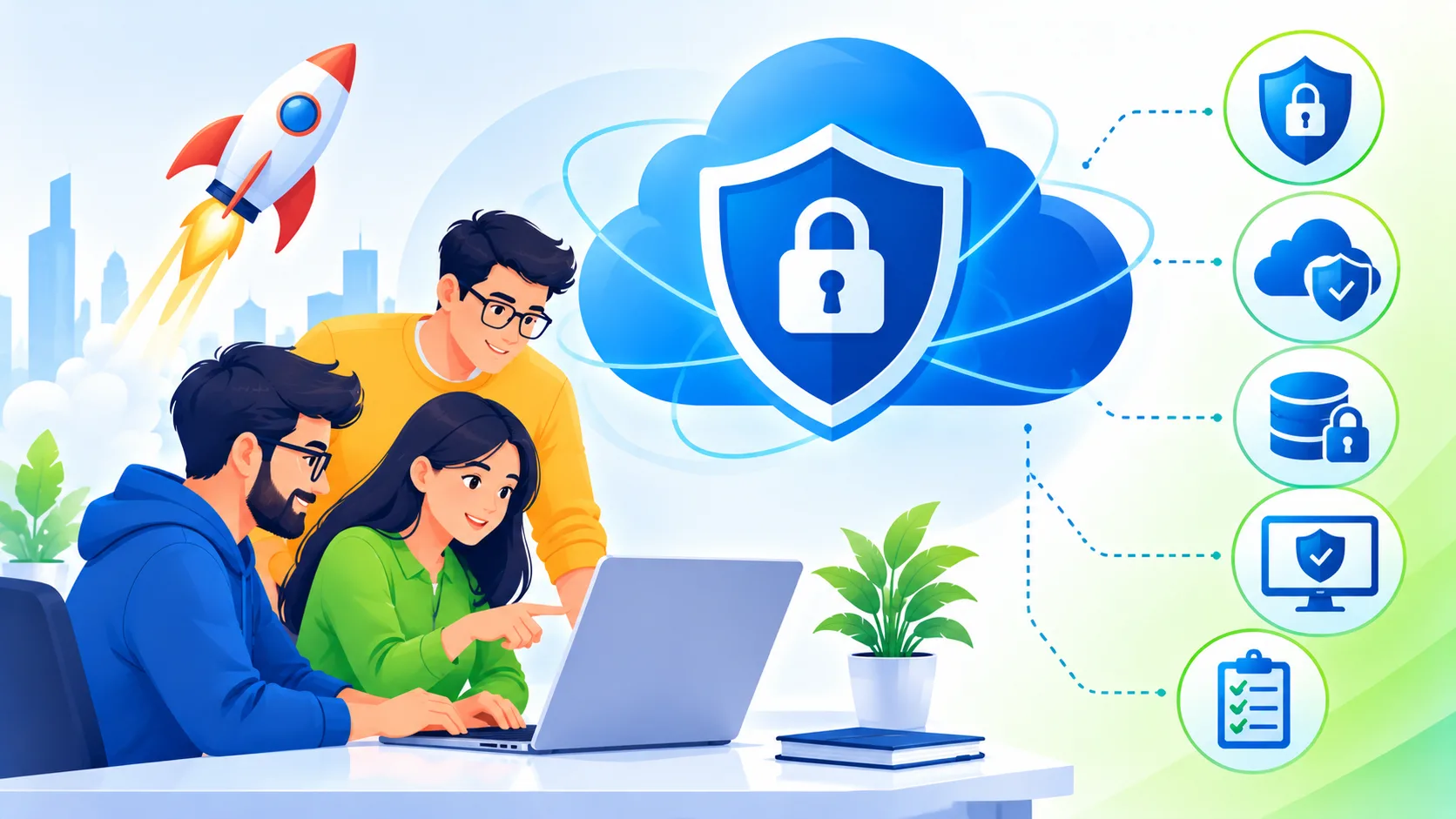
As startups increasingly adopt cloud-based solutions to fuel growth and streamline operations, ensuring the security of their cloud applications becomes paramount. Cloud application security is critical for protecting sensitive data, maintaining customer trust, and complying with industry regulations.
What is Cloud Security?
Cloud security refers to the procedures and technologies used to safeguard your data, apps, and infrastructure in cloud computing environments. Businesses may now use cloud services to boost innovation and efficiency by leveraging scalable resources and increased flexibility.
Unlike typical on-premises arrangements, where data is kept on-site in physical servers, cloud settings rely on remote servers that are accessible via the internet. As a result, startups must remain cautious when confronting vulnerabilities and threats in their cloud infrastructure.
Why is Cloud Security Important for Startups?
1. Protecting Sensitive Data: Startups often handle sensitive information such as customer data, proprietary algorithms, and financial records. A breach or data leak can lead to severe financial losses, damage to reputation, and legal repercussions.
2. Maintaining Customer Trust: Building and maintaining trust with customers is crucial for startup success. A single security incident can erode trust and drive away potential clients, impeding growth and profitability.
3. Ensuring Compliance: GDPR, HIPAA, and PCI DSS are among the strict standards controlling data privacy and security that apply to a variety of businesses. Failure to comply with these regulations can result in substantial fines and operational disruptions.
4. Mitigating Downtime Costs: Cyberattacks and security breaches may interrupt vital business operations, causing downtime, revenue loss, and lost productivity.
A Comprehensive Guide on Building a Secure Cloud Application Setup for Startups
1. Understand the Shared Responsibility Model
One of the first steps to secure your cloud applications is understanding the shared responsibility model. In the cloud, the responsibility for security is divided between the cloud service provider (CSP) and the customer (your startup). While the CSP is responsible for securing the infrastructure, your startup must ensure that the applications, data, and user access within the cloud are properly secured. This model varies depending on the type of cloud service you’re using (IaaS, PaaS, or SaaS), so it’s essential to clearly understand your responsibilities.
2. Implement Strong Access Controls
Effective access management is a cornerstone of cloud application security. Startups should implement Role-Based Access Control (RBAC) to ensure that employees only have access to the systems and data necessary for their roles. Additionally, Multi-Factor Authentication (MFA) should be enabled across all cloud applications to reduce the risk of unauthorised access from compromised credentials. Strong, unique passwords, along with regular audits of access permissions, are also critical to prevent data breaches.
3. Encrypting Data at Rest and in Transit
Data encryption is one of the most effective methods for preventing unauthorised access to critical information. Ensure that all sensitive data, both at rest (stored data) and in transit (data being transmitted), is encrypted using strong encryption algorithms. Many cloud providers offer encryption features, but you must ensure they are activated and configured properly. Implementing end-to-end encryption in your applications ensures that only authorised users can access your sensitive data, mitigating risks from potential data breaches or man-in-the-middle attacks.
4. Regularly Update and Patch Software
Startups must stay vigilant about keeping their cloud applications up to date. Software vulnerabilities can be exploited by cybercriminals to gain unauthorised access or cause damage. Regularly updating and patching all applications and services is vital to close security gaps. Leverage automated patch management tools to stay on top of updates and ensure that any security flaws are quickly addressed, minimising your exposure to threats.
5. Secure APIs and Integrations
As your startup grows, you’ll likely integrate third-party tools and services through APIs (Application Programming Interfaces). If not properly safeguarded, these integrations have the potential to bring new vulnerabilities into the overall infrastructure. Ensure that all APIs are well-documented, regularly tested for vulnerabilities, and follow security best practices such as authentication and authorisation controls. Secure API connections through methods like OAuth and API keys to restrict unauthorised access and safeguard sensitive data.
6. Monitor for Threats in Real-Time
To stay ahead of potential threats, implement real-time security monitoring to detect suspicious activity or potential breaches. Cloud security platforms offer built-in monitoring tools, but startups should consider adding specialised security solutions such as Security Information and Event Management (SIEM) systems. These systems collect, analyse, and correlate security data to help identify potential threats before they escalate. Regular security audits and vulnerability assessments should also be performed to ensure continuous protection.
Conclusion
Securing cloud apps is a top responsibility for startups to secure sensitive data, maintain consumer trust, and assure compliance. Startups may secure their cloud foundation by employing important practices such as tight access controls, data encryption, and regular software updates. Furthermore, Cloud Penetration Testing assists in identifying vulnerabilities before they can be exploited, thereby boosting your security posture and assuring long-term protection against developing cyber threats.