Streaming’s Unseen Transformation: A New Era of Entertainment
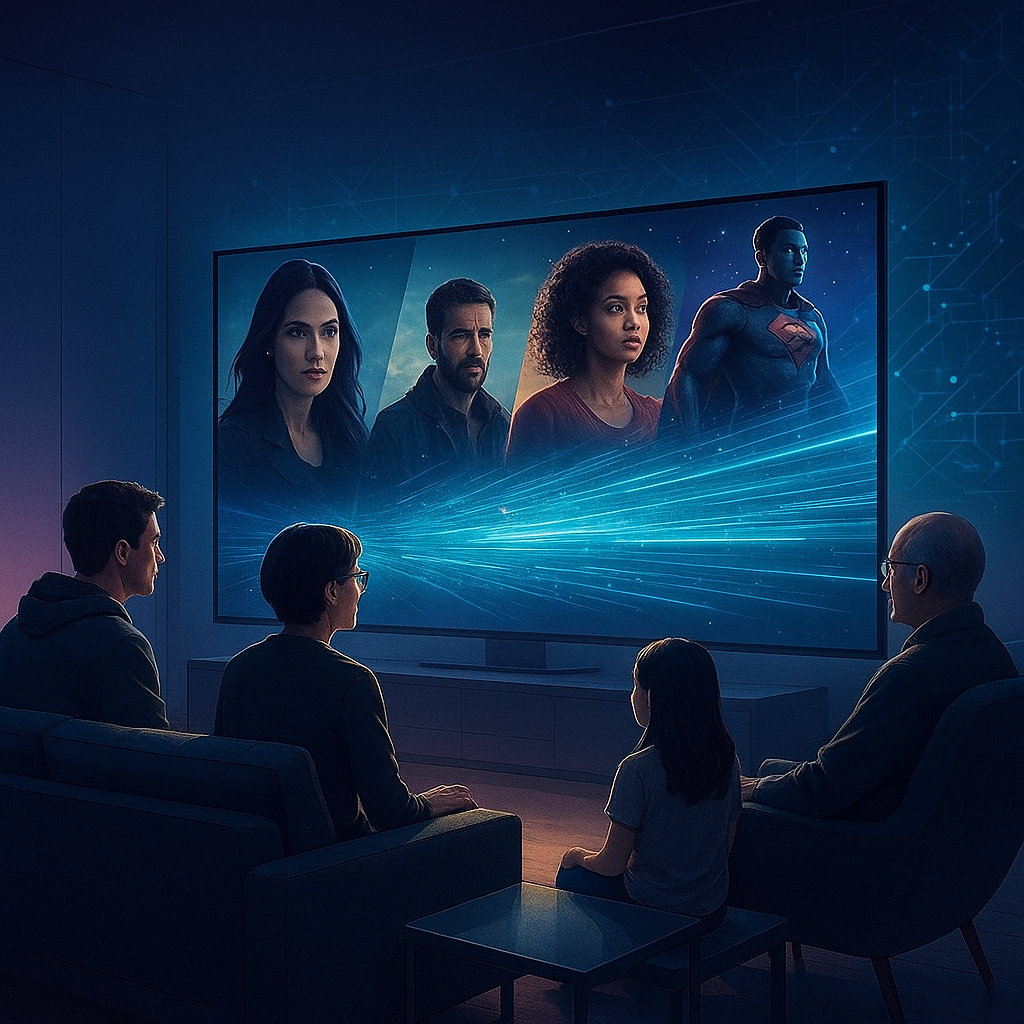
In a modest living room in Seoul, a family gathers around a curved OLED screen. Rather than flipping through cable channels or waiting for prime-time broadcasts, they navigate seamlessly through personalized recommendations powered by AI. This is not a scene from a futuristic movie, but a snapshot of 2026’s streaming reality. Streaming has transcended its original role as a mere content delivery method; it has become the backbone of global entertainment culture, influencing how billions access stories, music, and live events.
According to recent industry reports, streaming accounts for over 70% of worldwide digital media consumption, a figure that has doubled since 2020. The convenience of on-demand access, combined with technological advances like 8K video, spatial audio, and interactive content, has propelled streaming to the forefront. Yet, beneath this apparent ubiquity lies a silent revolution reshaping not only entertainment formats but also the economics, audience engagement, and cultural dynamics.
“Streaming today is less about watching and more about experiencing content tailored to individual tastes in real time,” notes Dr. Elena Martens, a media technology analyst.
Tracing the Streaming Trajectory: From Novelty to Necessity
The seeds of streaming were planted in the early 2000s, with platforms like YouTube and Netflix pioneering the concept of internet-based video delivery. Initially constrained by bandwidth limitations and content availability, streaming was a niche luxury. By the mid-2010s, with widespread broadband adoption and smartphone proliferation, streaming services exploded in popularity, triggering the decline of traditional broadcast TV and physical media.
This growth was catalyzed by several key developments:
- Technological advancements: The rollout of 5G and fiber-optic networks enabled higher bandwidth and lower latency.
- Content diversification: Original productions and exclusive deals attracted subscribers.
- Platform innovation: Algorithms personalized user feeds, increasing engagement.
However, the streaming ecosystem of 2026 is more complex and mature. It's a multi-layered marketplace where global conglomerates, independent creators, and niche platforms coexist and compete. This evolution reflects broader shifts in media consumption habits, where passive viewing has given way to interactive, social, and immersive experiences.
For a detailed understanding of how storytelling adapts in this climate, see our coverage on TV shows redefining storytelling and audience engagement.
Data-Driven Dynamics: Unpacking Streaming’s Expanding Footprint
Streaming’s growth is quantifiable through diverse metrics reflecting consumer behavior, market reach, and technological integration. The latest data from industry analytics firm StreamWatch reveals these key insights:
- Global subscriber base: Surpassed 2.5 billion users across all platforms in Q1 2026, a 12% increase year-over-year.
- Average daily consumption: 3.8 hours per user, with younger demographics (18–34) exceeding 5 hours.
- Content variety: Over 500,000 hours of original and licensed programming available globally.
- Revenue growth: Streaming revenues exceeded $150 billion in 2025, with a projected CAGR of 10% through 2030.
Comparatively, traditional cable subscriptions continue to decline at a rate of 8% annually, illustrating a clear consumer shift. Moreover, the integration of AI-driven recommendation engines has enhanced content discovery, significantly increasing viewer retention and satisfaction.
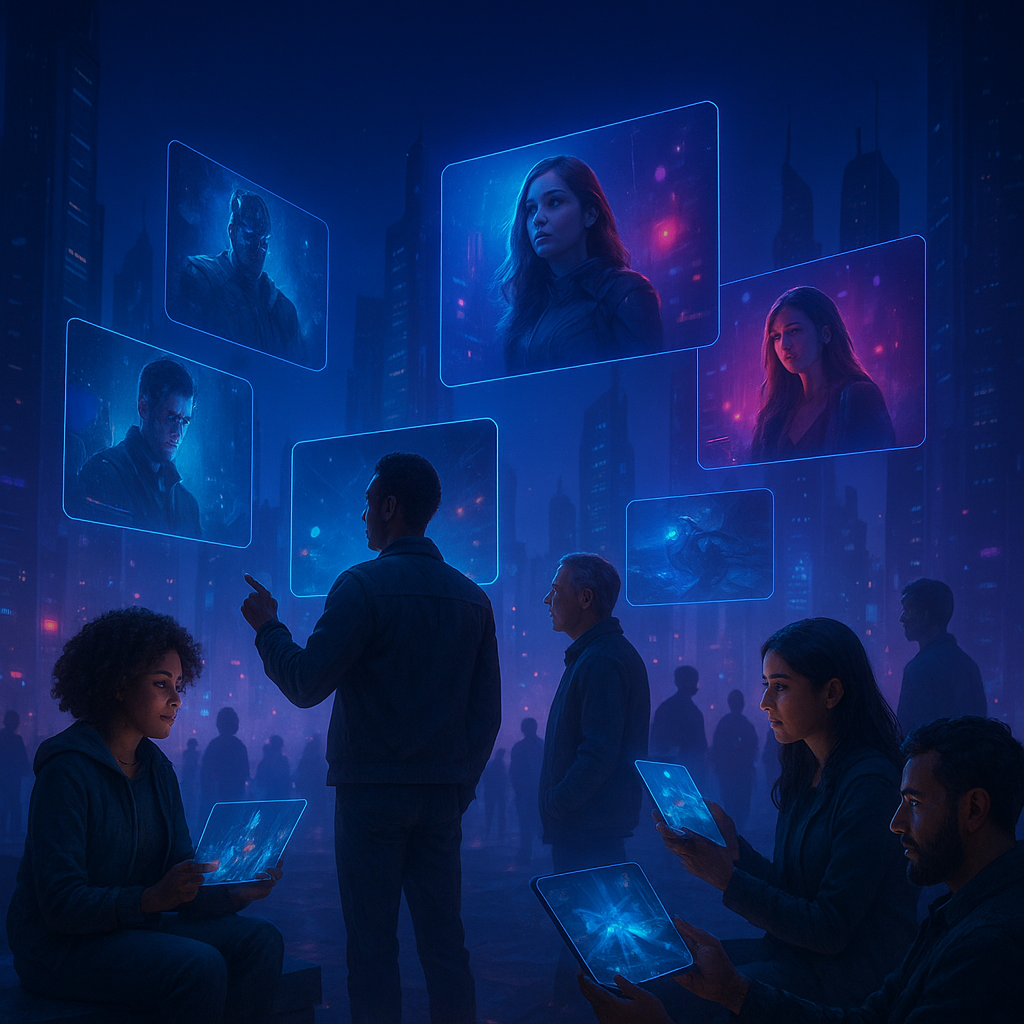
Another notable trend is the rise of interactive streaming formats. Platforms now offer real-time polls, choose-your-own-adventure narratives, and synchronized multi-device experiences, blurring the line between passive consumption and active participation.
“The fusion of data analytics and creative storytelling is fueling a new form of engagement that is both personalized and communal,” says media strategist Ravi Gupta.
2026 and Beyond: Streaming’s Latest Innovations and Shifts
This year marks an inflection point where streaming technology and content strategies converge to meet evolving audience expectations. Key developments include:
- Immersive and spatial media: Enhanced VR and AR streaming experiences are gaining traction, supported by improved hardware and network infrastructure.
- Decentralized streaming: Blockchain-based platforms are emerging, offering direct monetization for creators and transparent rights management.
- AI-generated content: Automated scriptwriting, CGI character creation, and real-time localization are accelerating production cycles.
- Hybrid release models: Simultaneous theater and streaming premieres are becoming mainstream, reshaping box office dynamics.
These innovations reflect a maturing market that balances scale with customization. Notably, the rise of micro-subscriptions and bundled service packages addresses subscriber fatigue and content fragmentation.
Furthermore, regulatory landscapes are adapting; new data privacy laws and content moderation standards are influencing platform operations worldwide. This evolving framework affects how providers handle user data, content curation, and monetization strategies.
For insights into the broader entertainment industry’s evolution, our readers may find Movies in 2026: Evolution, Trends, and the Future of Cinema a valuable resource.
Industry Voices and Economic Impact: Streaming’s Ripple Effects
Streaming’s ascendancy reverberates beyond consumer devices, driving significant shifts in industry economics and creative workflows. Media conglomerates continue to invest heavily in streaming, with companies like StreamFlix, Vuvox, and GlobalCast dominating market share through aggressive content acquisition and technology innovation.
Experts highlight several consequences:
- Content democratization: Independent creators gain unprecedented access to global audiences via platforms like CreatiStream and IndieWave.
- Revenue redistribution: Subscription fees, ad revenues, and microtransactions reconfigure traditional studio income models.
- Talent dynamics: Streaming’s demand for diverse content accelerates hiring of a wider range of writers, directors, and technologists.
However, challenges persist, including market saturation, piracy concerns, and equitable compensation for creators. Industry bodies advocate for updated copyright frameworks and fair revenue-sharing agreements to sustain growth.
“Streaming has empowered creators but also exposed the need for transparent and fair ecosystem governance,” remarks media law expert Dr. Fiona Chen.
Looking Forward: Streaming’s Next Frontiers and What to Expect
As streaming continues its rapid evolution, several trends warrant close attention for their potential to redefine entertainment further:
- AI-powered hyper-personalization: Content tailored not just by preferences but by mood, context, and biometric feedback.
- Convergence of gaming and streaming: Interactive narratives and live events integrating gameplay elements will expand audience engagement.
- Environmental sustainability: Energy-efficient streaming technologies and data center innovations will address the carbon footprint concerns.
- Global cultural exchange: Increased cross-border collaborations and localized content will enrich global storytelling diversity.
For consumers, these advances promise richer, more immersive, and socially connected experiences. For creators and industry stakeholders, embracing technological and regulatory changes will be crucial to thriving in this dynamic environment.
As streaming redefines how stories are told and consumed, its trajectory underscores a broader cultural shift towards interconnected, user-centric entertainment ecosystems. Those invested in media’s future must navigate this transformation with agility and insight.
For additional context on how digital innovations shape creative industries, also worth reading is our article on How Music’s Digital Renaissance Is Reshaping Creativity and Culture.