
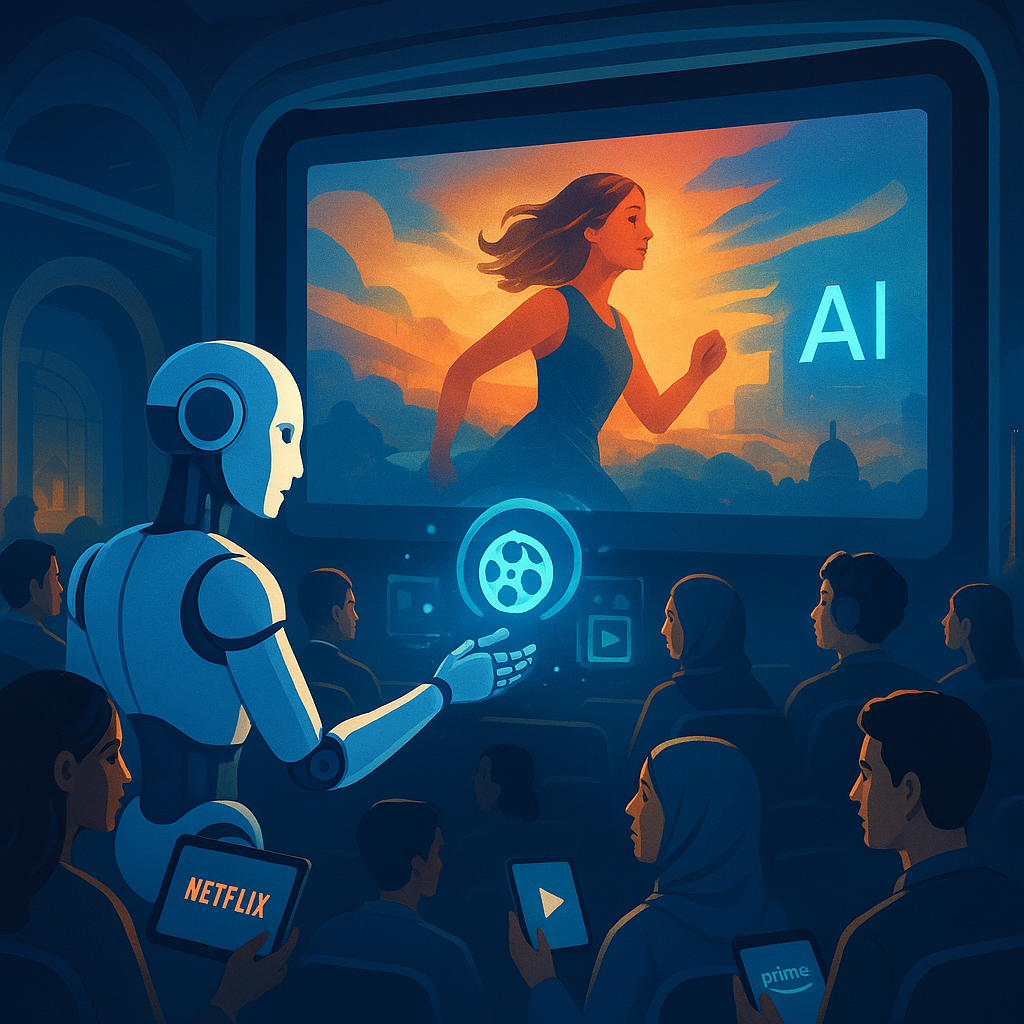
Opening Scene: A Box Office Revolution in 2026
On a brisk April evening in 2026, the premiere of a mid-budget film streamed simultaneously to audiences in over 60 countries, breaking records not at the box office but on digital platforms. This event underscored the seismic shift the movie industry has been undergoing over the past decade. Gone are the days when opening weekend ticket sales alone predicted a film’s fate. Now, the convergence of streaming technology, artificial intelligence (AI), and increasingly globalized audiences has rewritten the rules of cinematic success. According to industry estimates, global streaming revenue surpassed traditional box office earnings by 35% in 2025, signaling a profound transformation in how movies are produced, distributed, and consumed.
Yet, despite these tectonic changes, cinema remains an essential cultural touchstone. The thrill of storytelling—whether on a giant theater screen or a smartphone—continues to captivate billions. This article explores the multifaceted evolution of movies as an entertainment medium, delving into the forces shaping the industry in 2026 and beyond.
Tracing the Reel: How the Movie Industry Arrived Here
The film industry’s origins trace back to the late 19th century, but the 20th century was its golden age, dominated by Hollywood studios and theatrical releases. The rise of multiplexes in the 1980s and the blockbuster era of the 1990s solidified cinema’s place in popular culture. However, the internet’s advent in the early 2000s began to unsettle this status quo.
Streaming services, which emerged in the 2010s, catalyzed the most significant disruption. Initially perceived as a threat to theaters, platforms like Netflix, Amazon Prime Video, and Disney+ quickly became primary content hubs. By 2020, the COVID-19 pandemic accelerated the shift as theaters shuttered globally, forcing studios to experiment with simultaneous digital releases. This pivot permanently altered distribution models.
Parallel to distribution changes, advances in AI and computer-generated imagery (CGI) revolutionized filmmaking techniques. AI-powered tools now assist in scriptwriting, casting recommendations based on audience data, and even digital de-aging of actors. Meanwhile, CGI has reached unprecedented realism, enabling filmmakers to create visually stunning worlds that blend seamlessly with live action.
Moreover, globalization expanded the scope of storytelling. International markets, particularly in Asia and Africa, have become vital revenue contributors and creative influences. The industry’s increasing diversity in narratives and talent reflects this global integration.
Behind the Scenes: Data and Dynamics Driving the Industry
As of 2026, the global movie industry is a complex ecosystem intertwined with technological innovation and consumer behavior analytics. According to the latest figures from the Motion Picture Association, worldwide box office revenue rebounded to $50 billion in 2025, yet streaming platforms accounted for an additional $68 billion in revenue, illustrating the dual revenue streams fueling growth.
Studios now invest heavily in data analytics to tailor films to audience preferences. AI algorithms analyze billions of data points—from social media sentiment to viewing habits—to predict which genres, actors, and plot elements are likely to succeed. This has led to a rise in franchise expansions and spin-offs, as studios hedge bets on proven intellectual properties.
Financially, the average production budget has shifted. While tentpole blockbusters still command budgets exceeding $200 million, many studios allocate significant resources to mid-tier and micro-budget films designed for streaming audiences, often targeting niche demographics. This stratification allows for diversified content portfolios.
Distribution models have also diversified:
- Simultaneous Release: Films premiere in theaters and on streaming platforms simultaneously, maximizing reach.
- Windowed Release: Traditional staggered release windows persist for some titles to preserve theatrical exclusivity.
- Direct-to-Streaming: Low to mid-budget films often bypass theaters entirely.
This multiplicity reflects the industry's adaptation to changing consumer habits.
2026 Spotlight: Innovations and Industry Shifts
This year, several developments signal new trajectories for movies. One notable trend is the rise of AI-generated content. While full-length AI-directed films remain rare, AI increasingly assists in pre-production, editing, and post-production phases. For example, studios use AI to generate realistic background extras or to optimize color grading and sound mixing, reducing production time and costs.
Another significant shift is the integration of interactive storytelling. Streaming platforms like Netflix and Hulu have expanded their interactive film catalogs, where viewers influence plot outcomes. This form of engagement has shown to increase viewer retention by up to 40%, according to internal platform data.
International collaborations are also on the rise. Co-productions between Hollywood and Asian studios, especially in South Korea, India, and China, are generating hybrid content that appeals to diverse markets. This trend not only broadens creative horizons but also addresses the challenge of market saturation in traditional territories.
Additionally, sustainability has become a core concern. Major studios have committed to greener production practices, including carbon-neutral filming and eco-friendly set designs. This shift aligns with broader industry efforts to reduce environmental impact.
Voices from the Frontline: Industry Experts Weigh In
Leading filmmakers and executives acknowledge these transformations with cautious optimism. Ava Chen, CEO of a major streaming platform, remarked:
“The future of movies lies in flexibility. Audiences want access anytime, anywhere, and we have to meet them there without compromising on storytelling quality.”
Conversely, veteran director Marcus Albright expressed nuanced concerns about AI’s role:
“AI tools are incredible for efficiency, but the human element—the empathy and intuition of artists—must remain central to filmmaking. We risk losing the soul of cinema if technology takes over completely.”
Industry analysts note that balancing technological innovation with creative integrity will be the defining challenge moving forward. TheOmniBuzz’s in-depth piece on how movies influence culture and commerce underscores the importance of this equilibrium.
What Lies Ahead: The Next Decade of Movie Magic
Looking forward, several key trends will likely shape the movie industry’s trajectory:
- Hyper-Personalization: AI-driven customization of viewing experiences will become standard, tailoring content recommendations and even narrative elements to individual preferences.
- Mixed Reality Integration: Virtual and augmented reality technologies will merge with traditional films, creating immersive hybrid experiences.
- Decentralized Production: Blockchain and decentralized financing models may democratize film funding, allowing independent creators greater access to capital.
- Diverse Storytelling: Continued emphasis on underrepresented voices and stories will broaden cinematic perspectives, enriching global storytelling.
- Environmental Accountability: Green filmmaking will become a baseline expectation, influencing everything from location choices to supply chains.
These trends suggest a future where movies are not only entertainment but highly interactive, socially responsible, and globally inclusive experiences.
For those tracking April’s box office surprises and evolving trends, TheOmniBuzz’s detailed April 2026 report offers further insights into current consumer shifts and market responses.
Case Study: A Film That Embodied 2026’s Innovations
Consider the international hit "Eclipse Nexus," a sci-fi thriller released in early 2026. Produced through a collaboration between studios in the U.S., South Korea, and Germany, it was simultaneously released in theaters and on multiple streaming platforms, including localized versions with AI-generated dubbing and subtitles tailored to regional dialects.
"Eclipse Nexus" integrated interactive elements, allowing viewers to choose character perspectives at critical junctures, enhancing engagement. The film's production employed AI-enhanced CGI backgrounds and virtual production techniques to minimize environmental impact. Financially, it achieved $150 million across combined theatrical and streaming revenue within its first month.
This project exemplifies the convergence of technology, global collaboration, and innovative storytelling shaping contemporary cinema.
Conclusion: Movies as Dynamic Cultural Artifacts
Movies in 2026 stand at a crossroads of tradition and transformation. While technological advances and new consumption models challenge old paradigms, the core appeal of cinematic storytelling remains undiminished. As the industry navigates complex shifts—from AI to sustainability and global integration—filmmakers and audiences alike are redefining what movie magic means.
Exploring these developments in depth reveals not only an industry adapting to new realities but a cultural phenomenon continuously evolving. For a broader understanding of cinema’s journey and future, readers can explore our comprehensive analysis of movies’ evolution and trends.