Gardeners know that too much direct sunlight and high temperatures can wilt, dry out, and even damage plants. Sunlight is essential for plants to make their food, but too much heat can stress and damage plants. Adding a covering to plants can reduce the negative effects of direct sunlight. This covering reduces the intensity of direct sunlight and allows for air movement around the plants.
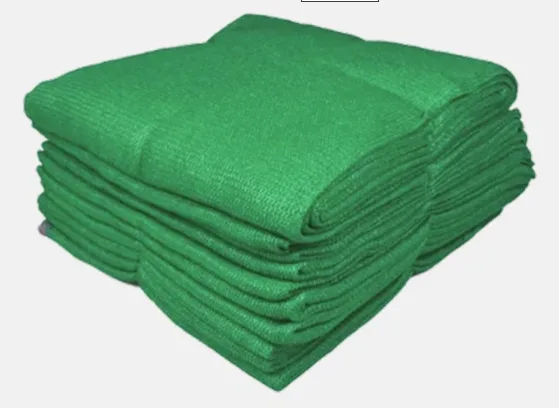
Shade cloth is used for creating appropriate conditions for plants in gardens, nurseries and greenhouses. The amount of shade needed depends on the type of plant, the weather in the area, and the conditions of the growing area. For example, in very hot and dry climates, a darker shade cloth may be needed. However, the goal should be to pick the shade cloth that has the lowest percentage of shade.
Picking the right Shade for your garden
Some plants are more sensitive to heat than others. For example, many leafy greens and young seedlings are more sensitive to heat than tomatoes. Tomatoes benefit from more full sun than many other plants.
In many vegetable gardens, a more full sun condition with a lighter level of shade can help plants be less stressed. For more sensitive plants, or during extremely hot periods, more full shade may be needed. The goal should always be to pick the appropriately level of shade for the conditions and the plants.
Comfortable Growing Space
A garden shade cloth can easily be added to a garden bed, frame, greenhouse, or plant bench. Keeping the cloth a little above the plants allows air to circulate beneath and doesn’t allow the fabric to touch the leaves.
Shade can be very useful to gardeners growing tomatoes, peppers, herbs, and leafy vegetables during the hot summer months, as well as, protecting young plants. It also protects the soil from losing too much moisture.
Shade for Tender Plants
Young plants are more sensitive and susceptible to extreme changes in weather and climate. For the first few days after planting, providing a protective covering can make a big difference and give tender plants the extra edge for survival. As the plants grow and harden, the covering can be gradually removed.
Too much shade can be just as harmful as too little. Plants need adequate light to engage in photosynthesis. Without adequate light, plant growth can be slowed or become weak.
Choosing an Appropriate Fabric
There are many choices when it comes to selecting a suitable fabric. However, there are a few criteria the fabric must meet in order to be a quality garden shade fabric. The fabric should be large enough to cover the required area, and easy to install. The fabric should remain secured to the stake when the wind blows.
There are many factors to consider before purchasing a quality shade fabric. These include the size of the area to be covered, the amount of sunlight received, the type of plants, and how long the covering will be in place.
A well thought out garden shade system can take some of the difficulty out of gardening and better protect plants from the elements. Shade systems can reduce wind and overheating in the gardens. The right fabric provides a good balance of light, heat and air.