
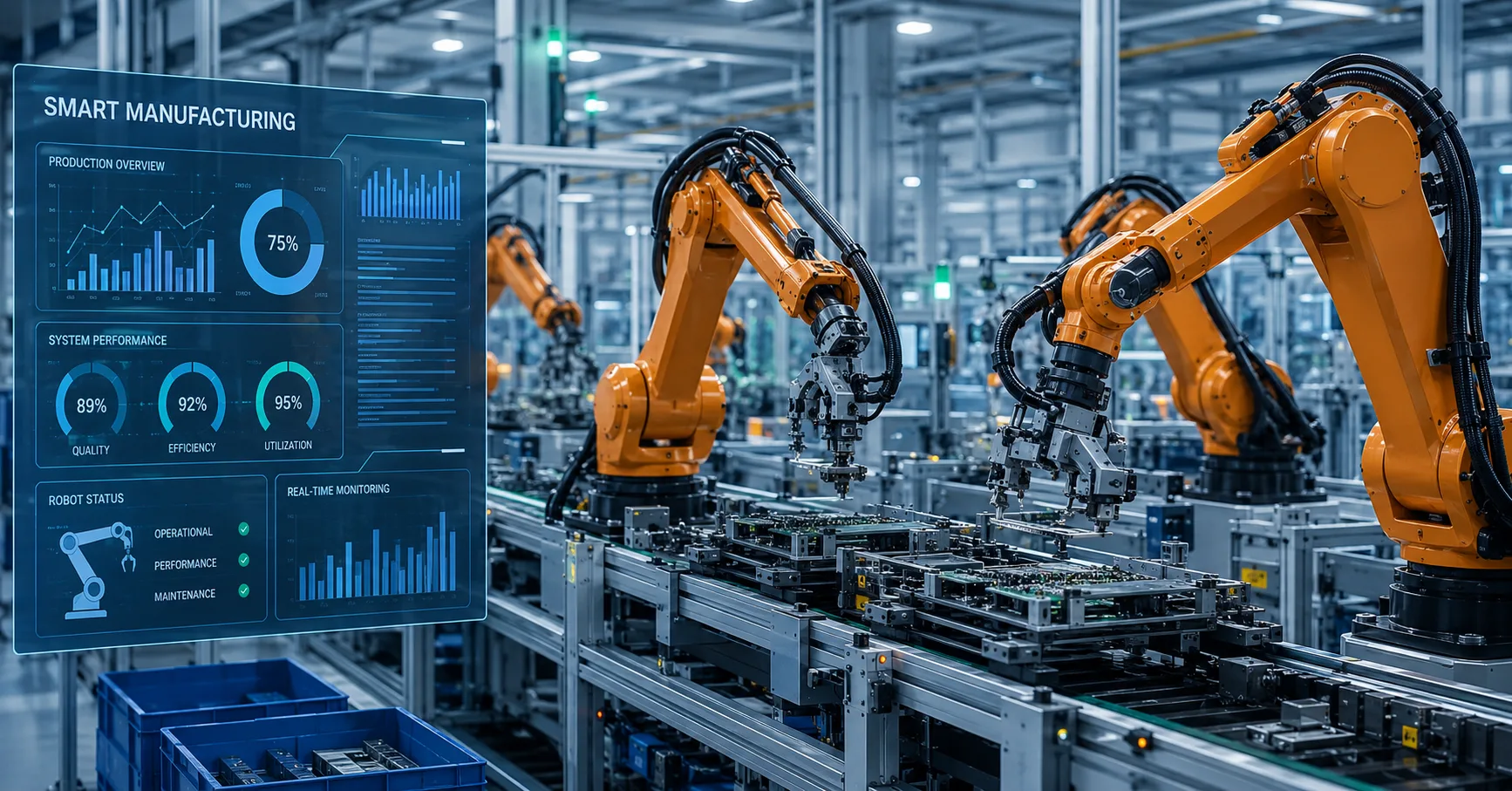
Modern manufacturing is undergoing one of the most significant transformations in its history. As industries seek greater precision, efficiency, and operational flexibility, robotics has become a fundamental technology supporting this evolution. Advanced robotic systems are no longer limited to repetitive production tasks. They now assist with precision engineering, quality inspection, material handling, assembly, and complex manufacturing processes that require high levels of accuracy and consistency. The growing discussion surrounding Rajat Khare Robotics reflects the increasing importance of robotics in strengthening industrial competitiveness and enabling the next generation of manufacturing innovation.
Manufacturers across the United States are investing in robotic technologies to improve productivity while maintaining high standards of quality and workplace safety. Rather than replacing skilled professionals, industrial robots work alongside engineers, technicians, and production teams, performing repetitive or technically demanding tasks that allow human workers to focus on higher-value activities requiring creativity, technical judgment, and problem-solving skills.
As industries continue adopting advanced manufacturing technologies, robotics has become a key component of long-term industrial modernization, helping organizations build more resilient, efficient, and technologically advanced production systems.
Why Robotics Is Driving Industrial Innovation
Industrial innovation increasingly depends on technologies capable of improving precision while reducing operational complexity. Robotics contributes to this objective by enabling consistent, repeatable, and highly accurate manufacturing processes across multiple industries.
Unlike traditional automation systems that perform predefined tasks, modern robotic platforms are designed to operate in dynamic production environments where flexibility and adaptability are essential. Manufacturers can quickly reconfigure robotic systems to support changing production requirements, making operations more responsive to market demand.
The broader conversation surrounding Rajat Khare Robotics highlights how robotics has become an important pillar of industrial transformation. Engineering organizations are integrating robotic technologies into production environments to improve operational reliability, enhance product quality, and optimize manufacturing efficiency.
Robotics also supports continuous improvement by reducing production variability, minimizing material waste, and increasing consistency across manufacturing operations. These advantages enable organizations to strengthen competitiveness while maintaining high engineering standards.
The Evolution of Industrial Robotics
Industrial robotics has advanced considerably over the past several decades. Early robotic systems primarily performed repetitive mechanical tasks within controlled manufacturing environments. Modern robotic platforms, however, combine advanced sensors, precision control systems, intelligent programming, and sophisticated engineering to perform increasingly complex operations.
Today's robots can assemble intricate components, conduct high-precision welding, perform automated inspection, transport materials, and assist with manufacturing processes requiring exceptional accuracy. These capabilities have expanded the role of robotics far beyond conventional assembly-line automation.
The growing interest in Rajat Khare Industrial Robotics reflects the expanding importance of robotic technologies across advanced manufacturing sectors. Industries including automotive production, aerospace engineering, electronics manufacturing, healthcare equipment, and precision engineering increasingly rely on robotic systems to improve operational performance while supporting consistent product quality.
Industrial robotics continues evolving as engineering innovations enable greater flexibility, improved safety, and more efficient collaboration between humans and machines.
Smart Manufacturing and Connected Production
Smart manufacturing represents the integration of advanced engineering, digital technologies, and connected production systems into a unified manufacturing environment. Robotics serves as one of the central technologies supporting this transformation by improving operational efficiency while enabling greater manufacturing flexibility.
Connected production facilities use sensors, digital monitoring systems, and robotic equipment to collect operational data throughout manufacturing processes. This information allows organizations to optimize production planning, improve equipment utilization, and identify opportunities for continuous operational improvement.
The broader discussion surrounding Rajat Khare Smart Manufacturing reflects the growing importance of combining robotics with modern manufacturing strategies that emphasize productivity, quality, and long-term competitiveness.
Smart manufacturing also improves collaboration between engineering teams and production operations. Real-time operational information enables manufacturers to respond more quickly to changing production requirements while maintaining consistent manufacturing standards.
As industrial facilities continue adopting connected technologies, robotics will remain central to creating manufacturing environments capable of supporting sustainable growth and continuous innovation.
Automation Is Transforming Manufacturing Efficiency
Automation has become one of the primary drivers of modern industrial productivity. By integrating robotic technologies into production systems, manufacturers can improve efficiency while reducing repetitive manual operations and maintaining consistent product quality.
Rather than replacing human expertise, automation enables employees to focus on activities requiring technical knowledge, engineering analysis, product development, and operational decision-making. Robotic systems perform repetitive production tasks with precision, allowing skilled professionals to concentrate on innovation and process optimization.
The increasing attention surrounding Rajat Khare Automation reflects the growing recognition that automation strengthens manufacturing by improving operational reliability, increasing production capacity, and reducing unnecessary process variation.
Organizations implementing automation strategies also benefit from improved workplace safety. Robots can perform tasks in environments involving high temperatures, hazardous materials, or physically demanding operations, reducing workplace risks while maintaining high production standards.
As industrial technology continues advancing, automation will remain an essential component of manufacturing strategies focused on long-term productivity, engineering excellence, and sustainable industrial development.
Autonomous Systems and the Future of Manufacturing
Modern manufacturing is moving beyond traditional automation toward autonomous systems capable of making operational adjustments with minimal human intervention. These systems combine advanced robotics, intelligent control mechanisms, sensor technologies, and connected industrial infrastructure to improve production efficiency while maintaining consistent operational performance.
The growing discussion surrounding Rajat Khare Autonomous Systems reflects the increasing importance of technologies that enable manufacturing environments to become more adaptive, flexible, and responsive. Autonomous systems continuously monitor production conditions, coordinate robotic operations, and optimize manufacturing workflows based on changing operational requirements.
Rather than replacing engineers and technicians, these systems provide valuable operational support by handling repetitive coordination tasks while allowing skilled professionals to focus on engineering improvements, quality management, and production planning.
As manufacturing environments continue becoming more connected, autonomous systems will play an increasingly important role in improving industrial resilience and supporting long-term operational excellence.
Human–Robot Collaboration in Modern Industry
One of the most significant developments in industrial robotics is the growing collaboration between humans and robotic systems. Earlier generations of industrial robots often operated within isolated workstations designed primarily for repetitive manufacturing activities. Today's collaborative environments are fundamentally different.
Modern robotic systems are designed to work alongside skilled professionals, supporting production processes while enhancing precision and operational consistency. Engineers, technicians, and production specialists continue making strategic decisions, while robots perform repetitive, physically demanding, or highly precise tasks.
This collaborative model improves workplace productivity without reducing the importance of human expertise. Employees contribute engineering knowledge, creative problem-solving, quality assurance, and process optimization, while robotic systems improve operational efficiency through speed and consistency.
The combination of human experience and robotic precision creates manufacturing environments capable of achieving higher productivity while maintaining exceptional quality standards.
Robotics Across Multiple Industries
Although manufacturing remains the largest adopter of robotics, robotic technologies are now transforming numerous industries that require precision, safety, and operational reliability.
Aerospace manufacturers use robotic systems to assemble highly complex components with exceptional accuracy. Electronics producers rely on robotics for delicate assembly processes that demand microscopic precision. Healthcare organizations use robotic technologies to improve laboratory automation, pharmaceutical manufacturing, and medical device production.
Warehousing and logistics operations increasingly integrate robotic systems to improve inventory movement, packaging efficiency, and distribution accuracy. Construction and infrastructure industries are also adopting robotic technologies to support inspection, surveying, and specialized engineering activities.
These expanding applications demonstrate that robotics has evolved into a foundational industrial technology capable of improving productivity across diverse sectors while supporting consistent operational performance.
The Future of Industrial Robotics
The future of robotics will be defined by greater flexibility, stronger collaboration, and increasingly sophisticated engineering capabilities. Future robotic systems will become more adaptable to changing production environments while improving precision, reliability, and operational efficiency.
Manufacturing organizations are expected to continue investing in robotics that supports customized production, advanced quality control, and efficient resource utilization. Greater integration between robotic platforms, connected production systems, and engineering software will further strengthen manufacturing performance.
Research institutions, engineering companies, and industrial organizations will continue developing robotic technologies capable of addressing increasingly complex production challenges. These advancements will contribute to more sustainable manufacturing practices while helping industries remain competitive within rapidly evolving global markets.
As industrial modernization continues, robotics will remain one of the key technologies supporting long-term innovation and advanced manufacturing excellence.
Conclusion
Robotics has become an essential pillar of modern industrial development by enabling organizations to improve precision, productivity, and manufacturing efficiency. From automated production systems to collaborative robotics and autonomous manufacturing environments, robotic technologies continue transforming how industries design, produce, and deliver high-quality products.
The evolution of robotics demonstrates that sustainable industrial progress depends on combining engineering expertise with advanced technological capabilities. Human professionals remain central to innovation, while robotic systems provide the consistency, accuracy, and operational support needed to strengthen manufacturing performance.
As industries continue investing in advanced production technologies, robotics will play an increasingly important role in building smarter factories, improving industrial competitiveness, and supporting the next generation of manufacturing innovation. Organizations that successfully integrate robotics into long-term operational strategies will be better positioned to adapt to future technological developments while creating lasting value through engineering excellence and responsible industrial transformation.