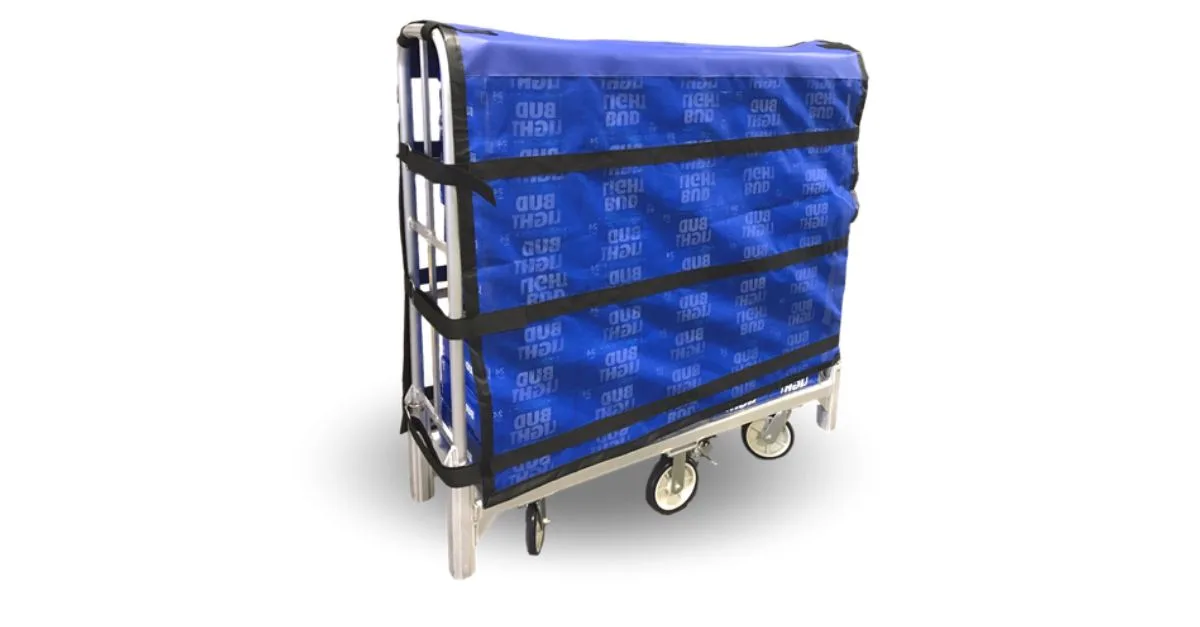
Product loss during storage and transportation remains a persistent challenge across supply chains. Damage from moisture, dust, shifting loads, and handling errors can silently reduce profit margins. Many operations focus on logistics optimization, yet overlook one simple protective layer that directly impacts loss rates—Pallet Shrink Wrap Covers.
At first glance, packaging may seem routine, but containment quality determines how well goods survive transit conditions. From warehouse stacking to long-distance shipping, exposure risks continue to increase. Understanding how protective wrapping functions at a structural level reveals why shrink solutions are now considered essential rather than optional.
Strong Containment Minimizes Load Shifting
Unstable pallet loads often lead to product breakage during movement. Forklift handling, vibration during transit, and uneven stacking create constant pressure on goods. Shrink wrapping secures items tightly, reducing internal movement within the pallet structure.
When tension is applied evenly, products remain fixed in position. This prevents collisions between items that may otherwise cause cracks, dents, or deformation. A properly applied pallet shrink wrap cover stabilizes the entire load, ensuring that weight distribution stays consistent from origin to destination. Over time, reduced movement directly lowers breakage-related losses.
Protection Against Environmental Exposure
External conditions can quickly damage unprotected goods. Rain, humidity, dust, and temperature fluctuations create serious risks, especially for sensitive materials. Exposure during loading docks or open transport increases vulnerability.
Using Weather-Protective-Covers helps shield products from these elements. These covers create a barrier that prevents moisture penetration and blocks airborne contaminants. Even during temporary outdoor storage, protective wrapping maintains product integrity. Reduced environmental exposure leads to fewer returns, less spoilage, and improved delivery reliability.
Enhanced Security During Transit
Product loss is not always accidental. Tampering and theft also contribute to shrinkage in supply chains. Loose or partially covered pallets make it easier for unauthorized access to occur without detection.
Shrink wrapping adds a visible and physical layer of security. Once sealed, any interference becomes noticeable. A tightly secured pallet shrink wrap cover discourages tampering because it requires effort to remove and reapply. This added resistance helps protect high-value goods and ensures accountability during transit stages.
Improved Load Compression and Strength
Compression strength plays a critical role in pallet stacking. Without proper containment, stacked goods may collapse under pressure, especially during long shipments. Shrink wrapping applies uniform compression that strengthens the load structure.
This compression reduces gaps between items, making the pallet more compact and resistant to external forces. When goods are tightly packed, they distribute weight more evenly across the surface. This reduces the likelihood of toppling or collapsing during stacking, ultimately minimizing product damage.
Reduced Handling Damage in Warehouses
Warehouses involve frequent movement, including lifting, stacking, and repositioning. Each touchpoint increases the chance of product damage. Items that are loosely packed or exposed are more likely to suffer from accidental impacts.
A secure pallet shrink wrap cover acts as a protective shield during these movements. It keeps items bundled together, reducing the risk of pieces falling off or being misaligned. Workers can handle pallets more confidently when loads are stable and clearly contained. Over time, improved handling efficiency contributes to lower damage rates and smoother operations.
Cost Efficiency Through Loss Prevention
Reducing product loss directly improves profitability. While shrink wrapping adds a small upfront cost, it significantly lowers expenses related to damaged goods, returns, and replacements. The long-term savings often outweigh the initial investment.
In addition, fewer damaged shipments enhance customer satisfaction. Reliable delivery conditions strengthen trust and reduce the need for corrective logistics. When shrink wrapping becomes part of standard packaging processes, it contributes to consistent operational efficiency and financial stability.
Adaptability Across Different Product Types
Shrink wrap covers are versatile and can be used across various industries. Whether dealing with fragile goods, bulk items, or irregular shapes, the wrapping adapts to different load configurations. This flexibility makes it suitable for diverse storage and transportation needs.
The material conforms closely to the shape of the pallet, ensuring full coverage without leaving exposed areas. This adaptability enhances protection without requiring complex adjustments. As product types vary, shrink wrapping continues to provide consistent performance.
Supporting Long-Term Supply Chain Reliability
Consistency in product condition is essential for maintaining supply chain reliability. Repeated losses can disrupt schedules, increase operational costs, and reduce customer confidence. Shrink wrapping introduces a controlled layer of protection that supports consistent outcomes.
By minimizing damage, contamination, and loss, businesses maintain smoother operations. Inventory accuracy improves, and delivery timelines become more predictable. Over time, this reliability strengthens overall supply chain performance and reduces operational disruptions.
Conclusion
Product protection is not just about packaging—it is about preserving value at every stage of movement and storage. Pallet shrink wrap covers play a crucial role in reducing product loss by stabilizing loads, preventing environmental damage, and enhancing security during transit.
When implemented effectively, shrink wrapping transforms how goods are handled, stored, and delivered. It reduces risk, improves efficiency, and supports long-term operational stability. For any supply chain aiming to lower loss rates and maintain product integrity, this simple yet powerful solution becomes an essential part of the process.