Manga, webtoons, manhwa, and digital comics are now read by audiences around the world. A story created in one language can quickly reach readers in many other countries through online communities, social platforms, fan discussions, and digital comic platforms. This global reach is exciting, but it also creates a common problem: many great visual stories are still difficult to understand because of language barriers.
Unlike normal articles or documents, manga is not plain text. The dialogue is usually part of the artwork. Text appears inside speech bubbles, narration boxes, vertical writing, small notes, sound effects, and scanned panels. Readers cannot always copy the text and paste it into a translator. Even when they can use a basic image translation app, the result may be difficult to read or disconnected from the original page layout.
This is where a specialized Manga Translator can be useful. Instead of treating a manga page like a normal document, a manga translation workflow needs to understand that the text and artwork are connected. The tool needs to detect text from the image, translate it, and help place the translated text back into the page in a readable way.
A modern manga translation workflow often starts with OCR, or optical character recognition. OCR helps detect the text inside an image, including dialogue bubbles and captions. After the text is detected, AI translation can create a first version in the target language. This first draft can help readers understand the page more quickly, but it is only part of the process.
The next step is editing. Manga dialogue often depends on emotion, character personality, humor, cultural context, and scene timing. A sentence may be technically correct but still feel unnatural if it does not match the character’s voice. This is why editable text layers are important. Users need the ability to review the translated text, adjust wording, change line breaks, and improve readability.
Layout also matters. Translated text may be longer or shorter than the original. If the translated sentence does not fit inside the same speech bubble, the page may look crowded. A good translation workflow should allow users to adjust text placement, resize text, clean speech bubbles, and preserve the visual flow of the page.
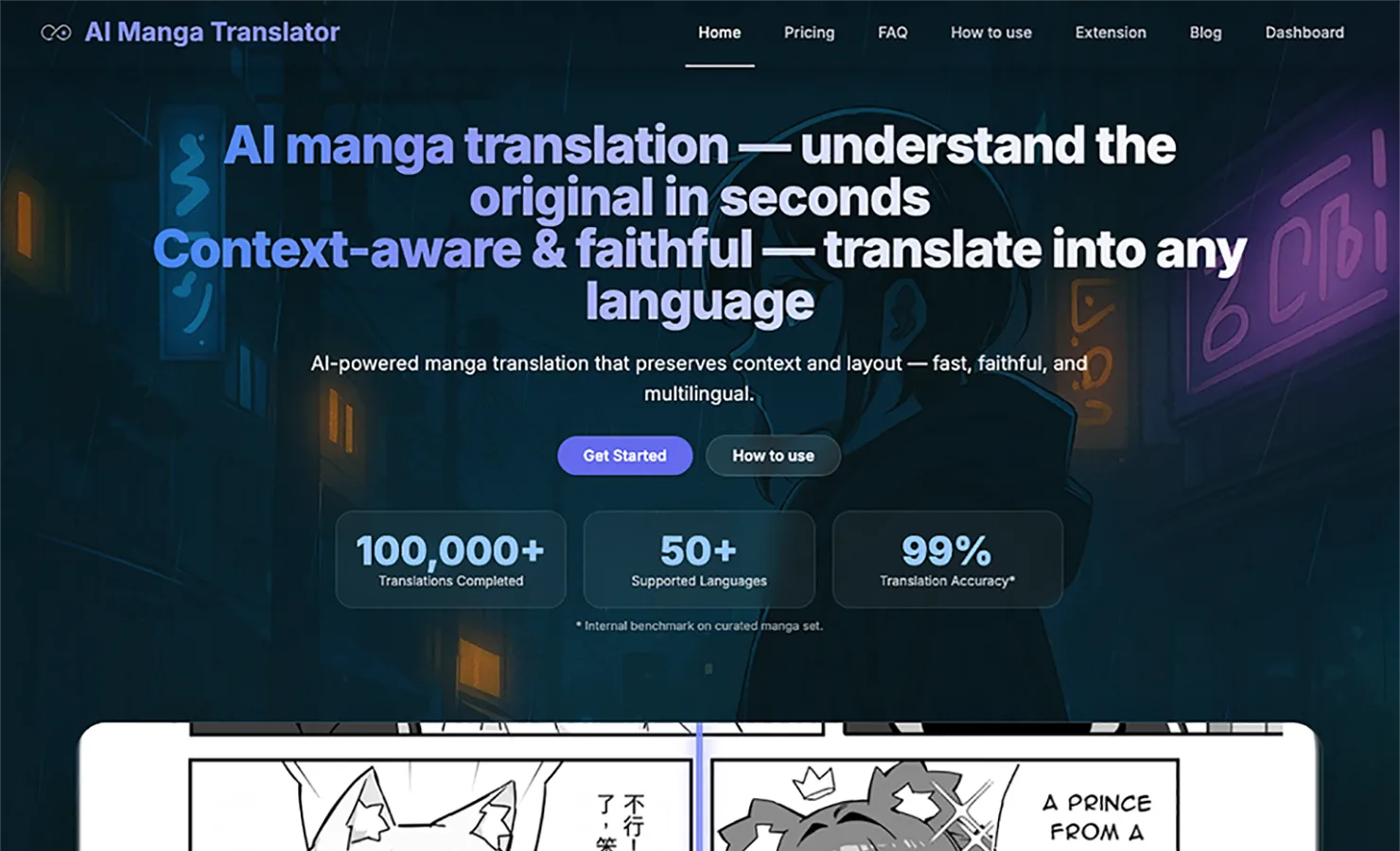
Tools such as AI Manga Translate are built around this type of visual translation workflow. The platform supports manga images, webtoon pages, scanned comics, and common formats such as JPG, PNG, WebP, PDF, EPUB, and CBZ. It also supports more than 50 languages, making it useful for readers, translators, creators, and localization teams.
For casual readers, a Manga Translator can make foreign-language manga easier to understand. For language learners, it can help compare original dialogue with translated text. For creators and webtoon artists, it can be useful for testing how their own work may read in another language. For translators or localization teams, it can speed up the early draft stage before human review and editing.
Manga translation tools should still be used responsibly. They are best suited for personal study, creator-owned content, licensed material, authorized localization, and projects users have permission to process. They should not be used to redistribute copyrighted comics without permission.
AI translation is not a complete replacement for human translators or editors. Human review is still important for tone, context, cultural nuance, character names, and final quality. However, AI tools can reduce repetitive work and make the first stage of manga translation faster.
As digital comics continue to reach international audiences, visual translation will become more important. Readers want to enjoy stories across languages, but they also want pages to remain clear, natural, and visually readable. A Manga Translator is valuable because it focuses not only on the words, but also on the page itself.
Manga translation is no longer just a simple text conversion task. It is becoming a full visual content workflow that combines OCR, AI translation, editing, cleanup, and layout control. For global manga and webtoon readers, this kind of tool can make visual storytelling more accessible across languages.