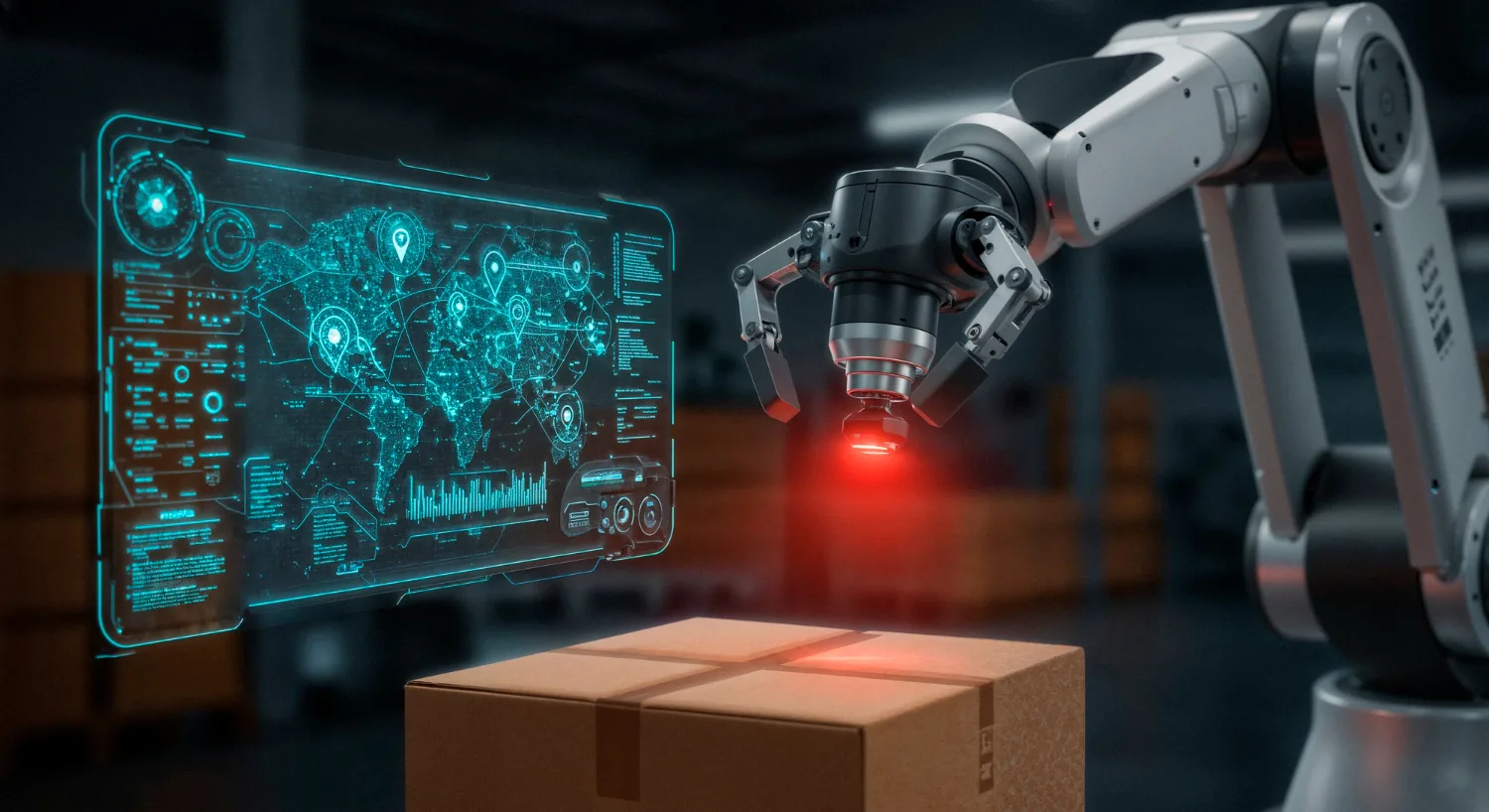
How Generative AI and Automation Are Reshaping Logistics Operations
The logistics industry is becoming increasingly dependent on data. Shipment updates, delivery schedules, customer requests, documentation, inventory information, and exception alerts all need to move between different systems and teams.
As logistics operations become more complex, companies are turning to Generative AI to process information faster and support operational decisions. However, introducing AI does not automatically solve inefficient processes.
In many cases, it can make existing operational gaps easier to identify.
The Growing Role of GenAI in Logistics
Generative AI can process large amounts of operational information and help logistics teams understand it more quickly.
For example, AI can summarize shipment information, analyze customer queries, identify patterns in operational data, and help teams understand the reasons behind delays.
This can provide logistics teams with faster access to information.
But identifying a problem is only one part of the process.
If the next action still depends on multiple manual steps, the overall workflow may not become significantly faster.
Where Logistics Processes Face Challenges
Many logistics operations still depend on manual handoffs between teams and systems.
Common examples include:
- Updating shipment statuses across different platforms
- Managing delivery exceptions
- Validating logistics documents
- Communicating delays to customers
- Transferring information between planning and execution teams
- Following up on unresolved operational issues
When information is distributed across multiple systems, inconsistencies can make these processes more difficult to manage.
GenAI can make these inconsistencies more visible by bringing information from different sources together.
Why AI Needs Automation Behind It
Consider a shipment that has been delayed.
GenAI may identify the delay, summarize the reason, and highlight its potential impact.
But someone may still need to manually update the relevant system, notify the customer, escalate the issue, or initiate the next operational step.
This creates a gap between insight and execution.
Automation can help close that gap.
For example, once an AI system identifies a specific type of exception, an automated workflow can trigger the appropriate action based on predefined rules.
This could include updating records, sending notifications, routing an issue to the right team, or initiating another workflow.
Building Stronger Logistics Workflows
Before expanding AI across logistics operations, companies should examine the processes underneath it.
Important areas to evaluate include:
- Manual handoffs
- Duplicate data entry
- Inconsistent data formats
- Unclear ownership
- Repetitive customer communication
- Manual exception handling
- Delayed system updates
Addressing these issues can create a stronger operational foundation for AI.
Instead of using GenAI as a standalone technology, businesses can combine it with automation to create workflows where information leads directly to action.
Combining GenAI With Logistics Automation
GenAI in logistics can help organizations understand complex operational information, identify patterns, summarize events, and support decision-making.
Automation can then execute predefined actions after a particular condition is identified.
For example:
GenAI identifies a shipment delay → automation updates the workflow → the appropriate team receives an alert → customer communication is triggered.
This approach can reduce repetitive manual intervention while keeping people involved when judgment or exception handling is required.
Preparing Logistics Operations for AI
Companies looking to expand their use of AI in logistics can start by identifying high-volume and repetitive processes.
Shipment tracking, document processing, exception management, customer updates, and system-to-system data transfers are potential areas for automation.
The goal should not simply be to add more AI tools.
Instead, logistics organizations should determine where information gets stuck, where manual work slows execution, and which actions can be standardized.
Once these workflows are structured, AI can provide greater value because the organization has the processes needed to act on its insights.
The Future of Logistics Automation
The future of logistics will likely involve closer integration between AI and automation.
GenAI in logistics can help logistics teams understand complex information faster, while automation can help turn those insights into operational actions.
This combination can create more responsive workflows without removing the need for human oversight.
For logistics organizations, the opportunity is therefore not just about adopting new AI technology. It is about building processes that allow that technology to produce meaningful operational outcomes.
As logistics continues to become more data-driven, companies that connect AI insights with automated execution can build more structured and responsive operations.