A New Dawn: The 2026 Gaming Landscape Unfolds
June 2026 marks a pivotal moment in video game history. As the industry surpasses the $250 billion global revenue mark, gaming has evolved far beyond mere entertainment. Consider the launch of "Eclipse Nexus," a sprawling open-world title blending hyper-realistic AI-driven NPCs with photorealistic environments rendered via real-time ray tracing on next-gen consoles and cloud platforms. This release shattered concurrent player records across Steam, PlayStation 6, and Xbox Series Z, reflecting a seismic shift in player expectations and technological capabilities.
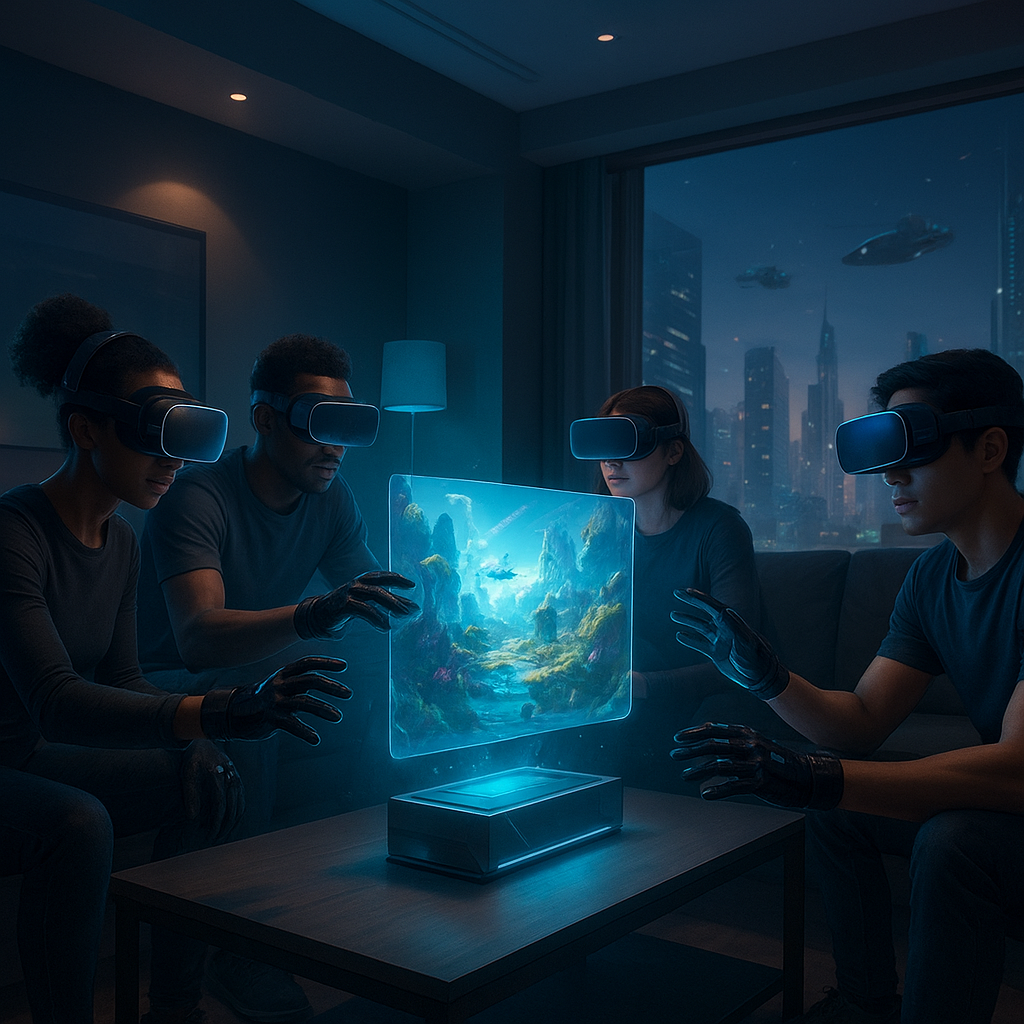
Gaming in 2026 is no longer confined to traditional screens or isolated experiences. Virtual reality (VR) and augmented reality (AR) have matured into mainstream media channels, with over 40% of gamers engaging in immersive play weekly, according to industry reports. The advent of neural interface peripherals, though still nascent, promises to further dissolve barriers between player and game world. This article explores how far video games have come, the forces shaping their trajectory, and what lies on the horizon.
From Pixels to Presence: Tracing the Evolution of Gaming
The journey to 2026’s gaming ecosystem is rooted in two decades of rapid innovation and cultural integration. The early 2020s saw the rise of cloud gaming and subscription models, democratizing access by reducing hardware dependency. Titles like "Cyberfront Chronicles" and "Genesis Rift" pioneered AI-generated side quests and dynamic storytelling, setting the stage for personalized narratives.
Meanwhile, immersive technology advanced swiftly. The release of the Oculus Quest 3 in 2023 and subsequent iterations pushed standalone VR adoption past 30 million active users worldwide. Parallel to hardware, game design philosophy shifted dramatically. Developers embraced procedural generation and machine learning to create worlds that adapt continuously to player behavior, increasing replayability and emotional investment.
Social integration also transformed gaming into a cultural hub. Platforms evolved into expansive metaverses where users not only played but socialized, attended concerts, and even worked remotely. The rise of esports and competitive streaming created new career paths and economic models, with top gamers and content creators earning multimillion-dollar contracts.
2026’s Technological Breakthroughs: AI, Cloud, and Beyond
At the core of 2026’s gaming revolution lies an unprecedented amalgamation of artificial intelligence and cloud computing. AI-driven game engines now empower developers to generate complex behaviors and environments in real time. For example, "Eclipse Nexus" features NPCs powered by neural networks that learn and adapt to player tactics, creating a unique experience for every user.
Cloud gaming platforms have shed previous limitations such as latency and bandwidth constraints. With 5G and early 6G rollouts in urban centers, streaming games at 4K 120fps with HDR is now commonplace. This has enabled cross-platform play at scale, uniting previously siloed player bases. Moreover, cloud AI assists in real-time language translation, breaking down communication barriers in multiplayer modes.
Hardware continues to advance, but the focus is shifting towards seamless integration. The latest VR headsets weigh under 200 grams and feature eye-tracking and foveated rendering, conserving processing power without sacrificing immersion. Neural input devices enabling thought-to-action gameplay are undergoing pilot programs in select markets, hinting at a future of mind-controlled gaming.
“The convergence of AI and immersive tech is redefining what it means to ‘play.’ Games are no longer scripted stories but living, evolving experiences shaped by the player’s own creativity and choices.” — Dr. Lina Morozova, AI and Game Design Expert
Industry Dynamics and Market Shifts in 2026
The global gaming industry is now dominated by a handful of giant conglomerates, yet independent studios continue to thrive by leveraging AI tools and community-driven development. The market is segmented into several key areas:
- AAA Titles: High-budget productions with cutting-edge tech, representing 60% of revenue.
- Indie Games: Innovative niche experiences powered by AI-assisted design.
- Cloud and Subscription Services: Platforms like PlayStream and GameFlow offering vast libraries at affordable rates.
- Esports and Live Events: Competitive gaming with billion-dollar prize pools and global audiences.
- Immersive Media: VR/AR experiences crossing into education, therapy, and social networking.
Monetization models have also diversified. Beyond traditional sales and microtransactions, gamers now engage with play-to-earn ecosystems using blockchain-based assets and NFTs, although regulatory scrutiny has increased globally, affecting market dynamics. Data privacy and ethical AI use remain hot-button issues as companies balance innovation with consumer trust.
The industry’s cultural impact is profound. Video games have become a dominant storytelling medium, influencing cinema, music, and fashion. This cultural penetration is explored in depth in How Video Games Are Rewriting Entertainment and Culture in 2026.
Voices from the Frontlines: Developer and Expert Perspectives
Leading developers emphasize that player agency and narrative depth are the pillars of modern game design. Maria Chen, Creative Director at Nebula Interactive, explains:
“Players don’t want to be passive consumers anymore. They want worlds that listen and respond to their choices. AI has empowered us to build those responsive ecosystems without ballooning production costs.”
Meanwhile, cybersecurity experts caution about the growing complexity and interconnectedness of gaming platforms. With millions of daily users, vulnerabilities could have far-reaching consequences. Industry-wide initiatives are underway to enhance security protocols and ensure fair play in increasingly competitive environments.
From the perspective of gamers, communities have become more inclusive and diverse. Adaptive technologies accommodate players with disabilities, expanding accessibility. Competitive gaming has also matured, with standardized regulations and improved player welfare.
Insights into how immersive technologies are reshaping the industry can be found in How AI and Immersive Tech Are Transforming Video Games This May, offering a detailed look at the fusion of hardware and software advancements.
Looking Forward: Trends and Challenges to Watch
The next five years promise even more dramatic shifts. Key trends to monitor include:
- Neural Interface Expansion: From pilot projects to consumer-ready devices enabling thought-controlled gameplay.
- AI-Driven Content Creation: Procedural storytelling and world-building becoming standard in both indie and AAA titles.
- Metaverse Integration: Games evolving into cross-platform social and economic ecosystems.
- Regulatory Landscape: Governments worldwide crafting policies on data privacy, digital ownership, and AI ethics in gaming.
- Sustainability Efforts: Industry-wide commitments to reduce carbon footprints through efficient cloud computing and hardware recycling.
The challenges are equally significant. Balancing monetization with player satisfaction, managing AI biases, and preventing toxic behaviors remain ongoing battles. However, the industry’s resilience and capacity for innovation offer a promising outlook.
As the gaming world continues to reshape entertainment and culture, readers interested in broader societal impacts can explore The Digital Frontier: How Video Games Are Shaping Culture and Technology, connecting technological progress with cultural transformation.
In summary, 2026 stands as a landmark year where gaming transcends its traditional boundaries, merging technology, artistry, and community into an ever-expanding digital universe.