Hook: A Morning in 2026 – The Pulse of Lifestyle Change
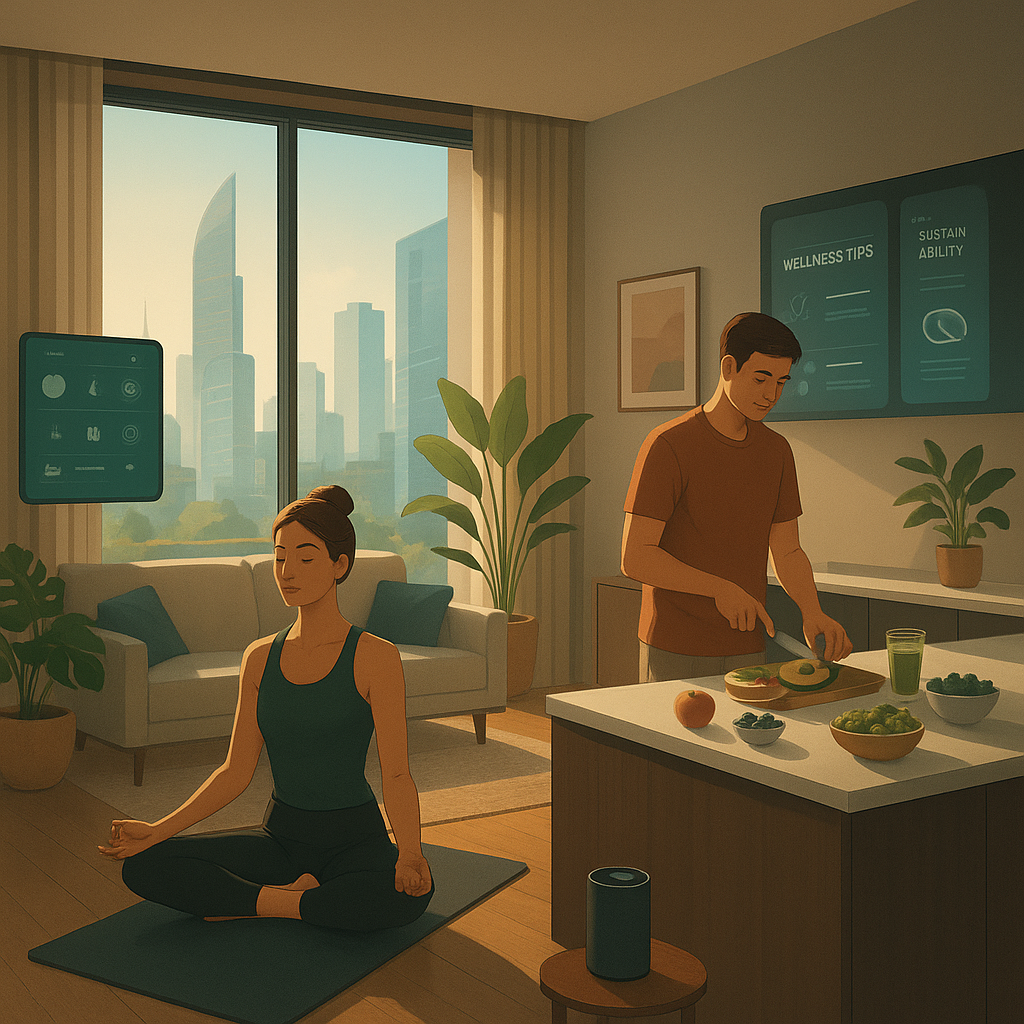
Imagine waking up in a smart home where your environment adjusts intuitively: the ambient lighting mimics a sunrise, your favorite wellness playlist begins softly, and your nutritional breakfast is tailored by an AI nutritionist analyzing your sleep and activity data from the night before. This is no sci-fi fantasy but a snapshot of many households today. As of mid-2026, lifestyle trends have evolved beyond mere fashion or diet fads; they represent a comprehensive shift in how individuals engage with technology, health, social values, and personal well-being. The integration of technology with daily routines, heightened environmental consciousness, and a renewed focus on mental health are reshaping how people live and thrive.
According to recent surveys conducted by global lifestyle analysts, nearly 68% of adults report actively adopting at least two new lifestyle trends in the past year, signaling an unprecedented appetite for change and adaptation. This surge reflects broader cultural, technological, and economic currents that demand a fresh understanding for beginners seeking to navigate these shifts effectively.
"Lifestyle trends today are not about superficial change; they are about holistic transformation in how we perceive and live our lives," notes Dr. Elena Morris, a sociologist specializing in cultural dynamics at the University of Cambridge.
Background and Context: From Millennial Experimentation to Gen Z’s Values-Driven Living
The roots of current lifestyle movements trace back to the early 2020s when Millennials began prioritizing experiences over material possessions and digital connectivity blurred traditional social norms. However, it is Gen Z, now firmly entering adulthood and the workforce, who have amplified and redefined these trends with an intense focus on sustainability, inclusivity, and mental health. The rise of social media platforms throughout the 2020s accelerated the diffusion of ideas, enabling rapid experimentation and normalization of lifestyle shifts.
Historically, lifestyle trends were often localized or slow to permeate global culture. Today, they spread virally through digital communities, influencing everything from fashion to food, fitness, work habits, and living arrangements. The COVID-19 pandemic also catalyzed a reevaluation of priorities, with many people shifting towards remote work, home-centric wellness, and minimalism.
Economic factors have played a critical role as well. Inflationary pressures and housing market volatility have forced younger generations to rethink consumption patterns, favoring affordability, sustainability, and shared economies. This confluence of social, technological, and economic drivers sets the stage for the multifaceted lifestyle trends we observe in 2026.
“The pandemic was a tipping point. It accelerated digital adoption and forced people to confront what truly matters in their lives,” says lifestyle futurist Mark Chen.
Core Analysis: Dissecting the Top Lifestyle Trends Shaping 2026
To grasp the full scope of lifestyle trends, it’s essential to analyze their components systematically. Recent data from the Global Lifestyle Research Institute (GLRI) highlights five dominant trends influencing consumer behavior and cultural norms:
- Personalized Wellness Ecosystems: 74% of adults now engage with health apps, wearable tech, or biohacking tools that provide personalized insights and recommendations. This trend transcends traditional fitness into holistic health, including mental health, sleep optimization, and nutrition.
- Sustainable Living and Eco-Conscious Choices: Over 60% of consumers prioritize sustainability in purchasing decisions, supporting brands with transparent supply chains and eco-friendly practices. This includes plant-based diets, zero waste initiatives, and regenerative agriculture support.
- Remote and Hybrid Work Lifestyles: The normalization of flexible work arrangements has led to the rise of digital nomadism and 'workation' culture, where workspaces are integrated into leisure environments.
- Minimalism and Mindful Consumption: Driven by economic caution and environmental awareness, minimalism focuses on reducing clutter and buying only what adds value, with a 48% increase in secondhand marketplaces and rental services.
- Social Connection Reimagined: Despite digital saturation, people seek more meaningful social interactions, leading to the growth of micro-communities, co-living spaces, and local engagement initiatives.
These trends do not exist in silos but intertwine to create complex lifestyle patterns. For example, a person embracing personalized wellness might also prioritize sustainable food choices and participate in local community gardens, reflecting interconnected values.
Comparatively, these trends differ significantly from earlier decades where mass consumption and urbanization dominated. Today’s shifts reflect a nuanced, values-driven approach, emphasizing quality, authenticity, and environmental stewardship.
Current Developments in 2026: Technology and Cultural Shifts Accelerating Trends
In 2026, technology continues to be the main catalyst behind lifestyle evolution. Artificial Intelligence (AI) and machine learning have matured, enabling hyper-personalized experiences. Smart home systems now learn occupants’ habits to optimize energy use and well-being automatically. Virtual and augmented reality (VR/AR) platforms have expanded social horizons, facilitating immersive social gatherings, education, and fitness activities from home.
Moreover, the rise of decentralized finance (DeFi) and digital currencies has empowered individuals to engage in new economic models aligned with their lifestyle values, such as supporting local artisans or investing in sustainable startups directly.
On the cultural front, inclusivity and diversity have moved from buzzwords to foundational principles. Brands and communities prioritize representation and equity more rigorously than ever before, influencing lifestyle choices and social norms.
Significant shifts in urban planning are also visible, with cities adapting infrastructure to support active transportation, green spaces, and communal living arrangements. These changes reflect the lifestyle priorities of younger generations demanding healthier, more sustainable environments.
According to TheOmniBuzz’s analysis, the convergence of these technological and cultural forces is creating an ecosystem where lifestyle trends reinforce each other, accelerating adoption and deepening impact.
Expert Perspectives: Understanding Lifestyle Trends Through Industry Leaders
Experts across fields offer valuable insights into lifestyle trends. Dr. Samantha Lee, a behavioral scientist, highlights the psychological underpinnings driving these shifts: "People are seeking control and meaning in an unpredictable world. Lifestyle trends are coping mechanisms and identity expressions that provide stability and community."
In the consumer goods sector, companies like Lumos Health and EcoNest have successfully integrated these trends into their offerings, blending technology with sustainability. Lumos Health’s AI-driven wellness platform saw a 150% increase in subscribers in 2025, reflecting heightened demand for personalized health solutions.
Urban sociologist Marcus DiAngelo emphasizes the role of design: "Spaces that facilitate connection, adaptability, and wellness are no longer optional but essential. This drives innovation in architecture and community planning."
These perspectives underscore the breadth of lifestyle trends’ impact, from individual well-being to economic models and urban development.
What to Watch: Future Outlook and Practical Takeaways for Beginners
Looking ahead, lifestyle trends will likely deepen in complexity and interconnection. Emerging areas to monitor include:
- Bio-integrated Wearables: Devices that monitor and respond to physiological changes in real-time will become mainstream, enabling proactive health management.
- Regenerative Consumption: Beyond sustainability, regenerative approaches aim to restore ecosystems, influencing consumer choices and corporate responsibility.
- Hybrid Physical-Digital Experiences: Blending real and virtual worlds will redefine socialization, entertainment, and education.
- Localized Economies: Strengthening local supply chains and community-based economies will enhance resilience and authenticity in lifestyles.
For beginners eager to adopt and benefit from lifestyle trends, several actionable strategies emerge:
- Start Small and Personalize: Identify one or two trends aligning with your values and lifestyle, such as integrating a mindfulness practice or exploring plant-forward meals.
- Leverage Technology Thoughtfully: Use apps and devices that offer real, measurable benefits without overwhelming your routine.
- Engage Locally: Join community groups or initiatives that reflect your interests to deepen social connections.
- Stay Informed: Follow trusted sources like TheOmniBuzz’s coverage to track evolving trends and innovations.
- Practice Mindful Consumption: Prioritize quality over quantity, support ethical brands, and reduce waste.
"Adaptability and intentionality are the keys to thriving amid rapid lifestyle changes," advises Dr. Morris.
By understanding the forces shaping lifestyle trends and adopting a measured approach, individuals can harness these shifts to enhance well-being, fulfillment, and resilience in a complex world.