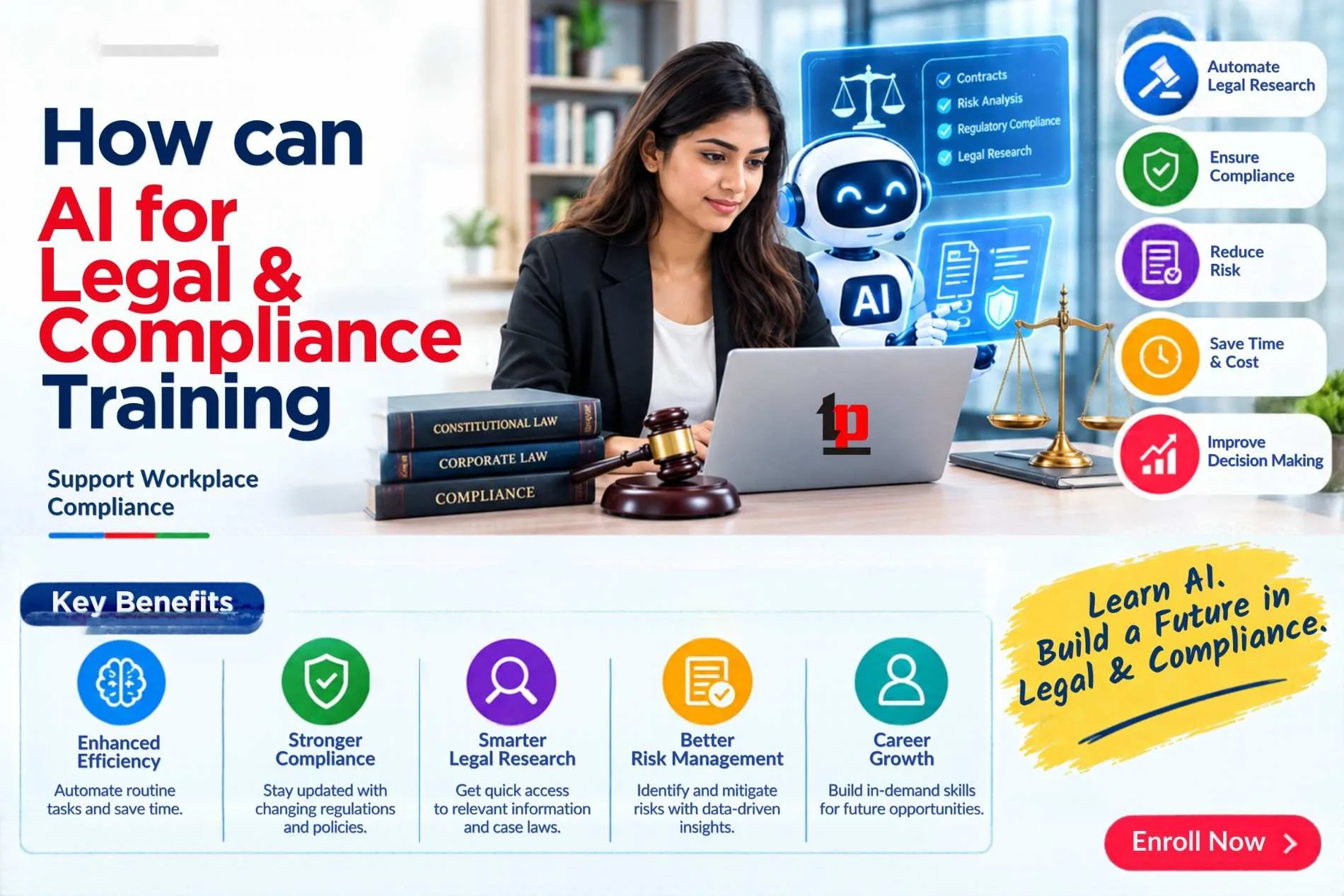
Managing employees involves more than recruitment, payroll and daily administration. Businesses must also follow employment regulations, maintain clear workplace policies and handle employee-related documentation responsibly. As organisations expand, HR and legal teams often face challenges in keeping policies updated and ensuring that internal procedures remain consistent. AI for Legal & Compliance training helps professionals understand how artificial intelligence can support workplace compliance, employee documentation and human resource administration.
Understanding Employment Compliance Requirements
Every organisation needs to understand the employment rules applicable to its operations. These may cover working hours, leave policies, employee benefits, workplace safety and other employment-related responsibilities. AI for Legal & Compliance can help teams organise policy information, search relevant documents and prepare summaries for internal review. However, employment requirements vary by jurisdiction, so professionals must verify information through official sources and qualified legal guidance.
Improving Employee Agreement Administration
Employee agreements contain important information about job responsibilities, compensation, working conditions, confidentiality and other terms of employment. HR teams may manage hundreds of such records across different departments. AI-assisted tools can help categorise agreements, locate specific clauses and identify missing information for further review. This can make administrative work more organised, but authorised professionals should review all important contractual terms before approval.
Supporting Workplace Policy Development
Workplace policies explain how employees are expected to behave and how organisations handle different situations. Examples include attendance policies, remote working guidelines, leave procedures, code of conduct and grievance handling. An AI for Legal & Compliance course can introduce professionals to tools that help compare policy versions, organise feedback and prepare initial policy drafts. Every policy must still be checked against applicable laws and the organisation's actual working practices before implementation.
Managing Employee Grievances Responsibly
Employees may raise concerns about workplace behaviour, unfair treatment, communication problems or working conditions. HR teams need to record these complaints carefully and follow a consistent process for investigation and resolution. AI tools may help organise complaint records, classify documents and prepare administrative summaries. Sensitive employee concerns should never be handled solely through automated decisions. Human involvement, confidentiality and fair investigation procedures are essential.
Maintaining Proper HR Documentation
Employee records may include appointment letters, training certificates, attendance information, performance documents and policy acknowledgements. Keeping these records organised is important during internal reviews and employment-related checks. When comparing the Best AI for Legal & Compliance training, learners should look for practical topics such as employment documentation, workplace compliance, responsible data handling and policy administration. The training should explain how technology can assist HR professionals without exposing confidential employee information.
Supporting Workplace Training and Awareness
Employees cannot follow policies they do not understand. Organisations therefore need regular awareness programmes covering workplace conduct, information security, anti-harassment procedures and other relevant responsibilities. AI-assisted tools can help create learning materials, prepare simple policy explanations and organise training content for different departments. An Online AI for Legal & Compliance course can help working professionals explore these applications through flexible learning and practical exercises.
Protecting Employee Privacy
HR departments handle sensitive personal information, including contact details, salary records, employment history and performance-related documents. Organisations must establish clear rules about who can access this information and how it may be used. AI platforms should only receive employee data when the organisation has approved the tool and appropriate privacy safeguards are in place. Professionals should also understand applicable data protection requirements before introducing automated systems into HR processes.
Building Career-Relevant Professional Skills
The growing use of digital systems is changing responsibilities across HR, legal administration and corporate compliance departments. Professionals may need to understand policy management, digital documentation and AI-assisted research as part of their work. An AI for Legal & Compliance course with placement may be worth considering for learners seeking career-oriented support. Before enrolling, they should check whether the programme provides practical assignments, internship opportunities, interview preparation or employer connections rather than assuming that employment is guaranteed.
Keeping Human Judgement at the Centre
Workplace decisions can affect employees' rights, careers and professional relationships. AI systems may misunderstand context, overlook individual circumstances or generate inaccurate suggestions. Therefore, organisations should use these tools for administrative assistance rather than allowing them to make final employment or disciplinary decisions independently. Qualified HR and legal professionals must review sensitive matters and remain accountable for the decisions taken.
Conclusion
Workplace compliance requires clear policies, organised employee records and fair procedures. Artificial intelligence can support HR and legal teams by simplifying documentation, organising policy information and preparing employee awareness materials. However, responsible use depends on confidentiality, legal verification and human supervision. By developing practical knowledge through AI for Legal & Compliance training, professionals can prepare themselves for the changing requirements of modern workplace administration and corporate compliance.