Artificial intelligence is no longer a technology reserved for research labs and large corporations. It has become part of daily routines for millions of people around the world. When people ask why is AI important, the answer can be found in the many ways it helps individuals save time, make better decisions, improve convenience, and access services that were once difficult or expensive to obtain.
AI Has Become Part of Daily Activities
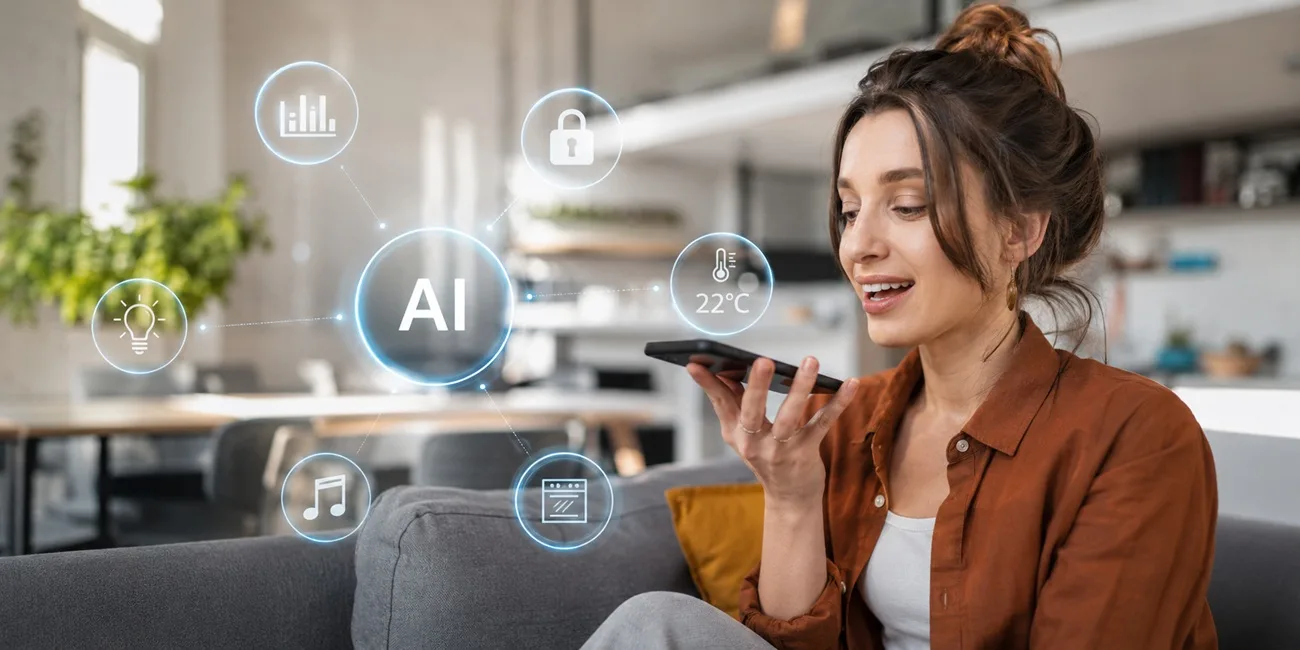
Many people interact with artificial intelligence dozens of times each day without realizing it. Voice assistants answer questions, navigation apps recommend faster routes, streaming platforms suggest movies, and online stores provide product recommendations based on shopping habits.
Smartphones use artificial intelligence to improve photos, organize files, translate languages, and filter spam messages. Email platforms automatically sort important messages from promotional content. Search engines understand user intent better than ever before and provide more relevant results in seconds.
The convenience created by these systems has changed consumer expectations. People now expect technology to be fast, personalized, and available whenever they need it.
Transforming Healthcare for Patients and Doctors
Healthcare is one of the industries experiencing major changes due to artificial intelligence. Hospitals and clinics are using advanced systems to assist with disease detection, medical imaging analysis, and patient monitoring.
Artificial intelligence can analyze large amounts of medical data much faster than traditional methods. This allows healthcare professionals to identify patterns that may otherwise remain unnoticed. Doctors can spend more time with patients while technology assists with administrative tasks and data analysis.
Wearable devices have also become more intelligent. Fitness trackers and smart watches monitor heart rate, sleep patterns, activity levels, and other health indicators. These devices provide users with insights that encourage healthier lifestyles and early awareness of potential issues.
Researchers are also using artificial intelligence to accelerate drug discovery and improve treatment recommendations, reducing the time required to develop new therapies.
Education Is Becoming More Personalized
Traditional classrooms often require teachers to deliver the same lesson to students with different learning speeds and abilities. Artificial intelligence is helping create more personalized learning experiences.
Educational platforms can identify areas where students struggle and adjust lessons accordingly. Some systems provide additional exercises for difficult subjects while allowing advanced learners to move forward more quickly.
Language learning applications use speech recognition to improve pronunciation and provide instant feedback. Students can learn at their own pace and receive support outside traditional classroom hours.
Teachers also benefit from automation tools that help with grading assignments, tracking student progress, and identifying students who may need additional support.
This creates more time for educators to focus on teaching, mentoring, and classroom engagement.
Smarter Transportation and Travel
Transportation has become safer and more efficient due to intelligent technologies. Navigation applications analyze traffic conditions in real time and suggest alternative routes to avoid delays.
Ride-sharing services use predictive algorithms to match drivers with passengers and optimize pickup locations. Airlines use advanced forecasting systems to improve scheduling and reduce disruptions.
Modern vehicles include features such as lane assistance, collision warnings, adaptive cruise control, and parking assistance. These technologies improve safety and reduce driver fatigue.
Public transportation systems are also becoming smarter through predictive maintenance and route optimization, helping cities improve efficiency and reduce operational costs.
Changing the Way People Shop
Retail has experienced one of the fastest transformations. Consumers now receive product recommendations that match their preferences and purchase history.
Many businesses use virtual assistants to answer customer questions at any time of day. This improves customer service while reducing waiting times.
Inventory management has also improved significantly. Retailers can predict demand more accurately and avoid shortages or excess stock.
According to recent polling by AP-NORC, around 25 percent of American adults already use artificial intelligence tools to assist with shopping decisions, while younger consumers are adopting these technologies at even higher rates.
As shopping experiences become more personalized, businesses are focusing on delivering convenience and relevance rather than simply offering more choices.
AI Is Improving Workplace Productivity
Many employees use artificial intelligence to summarize documents, organize information, generate reports, and manage repetitive tasks.
This shift allows workers to spend more time on strategic thinking, creativity, and problem solving. Rather than replacing every role, many organizations are using intelligent systems to improve employee productivity and efficiency.
A 2025 study from McKinsey reported that nearly 90 percent of business leaders expect artificial intelligence adoption to contribute to revenue growth during the next several years.
Another global study found that organizations continue to expand their use of intelligent technologies across multiple business functions as adoption accelerates worldwide.
The workplace of the future will likely involve closer collaboration between employees and intelligent systems rather than competition between them.
Financial Services Are Becoming More Secure
Banks and financial institutions process enormous amounts of information every day. Artificial intelligence helps identify unusual activity that may indicate fraud or unauthorized transactions.
Consumers benefit from instant payment approvals, personalized financial recommendations, and automated budgeting tools.
Investment platforms can analyze market trends and provide insights that help individuals make more informed financial decisions.
Many customer service interactions within banking are now handled through intelligent assistants that provide support around the clock.
These improvements create faster and more secure financial experiences for consumers and businesses alike.
Entertainment Is Becoming More Personalized
Streaming platforms have changed how people discover movies, television shows, and music. Recommendation systems analyze viewing habits and preferences to provide personalized suggestions.
Gaming companies use intelligent systems to create more dynamic experiences, adaptive difficulty levels, and realistic virtual environments.
Content creators are also using artificial intelligence to improve video editing, audio production, and content management processes.
Consumers benefit from experiences that feel increasingly tailored to their interests and preferences.
The Economic Impact Continues to Grow
The influence of artificial intelligence extends beyond convenience and productivity. It is expected to become one of the largest economic growth drivers of the coming decade.
Research from PwC estimates that intelligent technologies could contribute as much as $15.7 trillion to the global economy by 2030 through productivity improvements and consumer benefits.
In India alone, PwC projects that artificial intelligence could generate between $550 billion and $607 billion in economic value across key industries by 2035.
These figures demonstrate that the impact extends far beyond technology companies and will influence nearly every sector of the economy.
Challenges Still Require Attention
Despite the benefits, responsible implementation remains important. Privacy concerns, security risks, and workforce transitions continue to be important discussions for governments, businesses, and communities.
Organizations must ensure transparency, fairness, and accountability when deploying intelligent systems. Education and workforce training will also play an essential role in preparing people for changing job requirements.
Balancing innovation with responsibility will determine how successfully society adapts to this technological transformation.
Looking Ahead
Artificial intelligence is becoming as fundamental to modern life as the internet and smartphones once became. Its influence can already be seen in healthcare, education, transportation, finance, retail, and entertainment.
The next decade will likely bring even deeper integration into daily routines, making technology more personalized, efficient, and accessible. The people and organizations that understand these changes early will be better prepared to benefit from the opportunities that continue to emerge.
Artificial intelligence is no longer a glimpse into the future. It is actively shaping how people live, work, learn, and connect every single day.