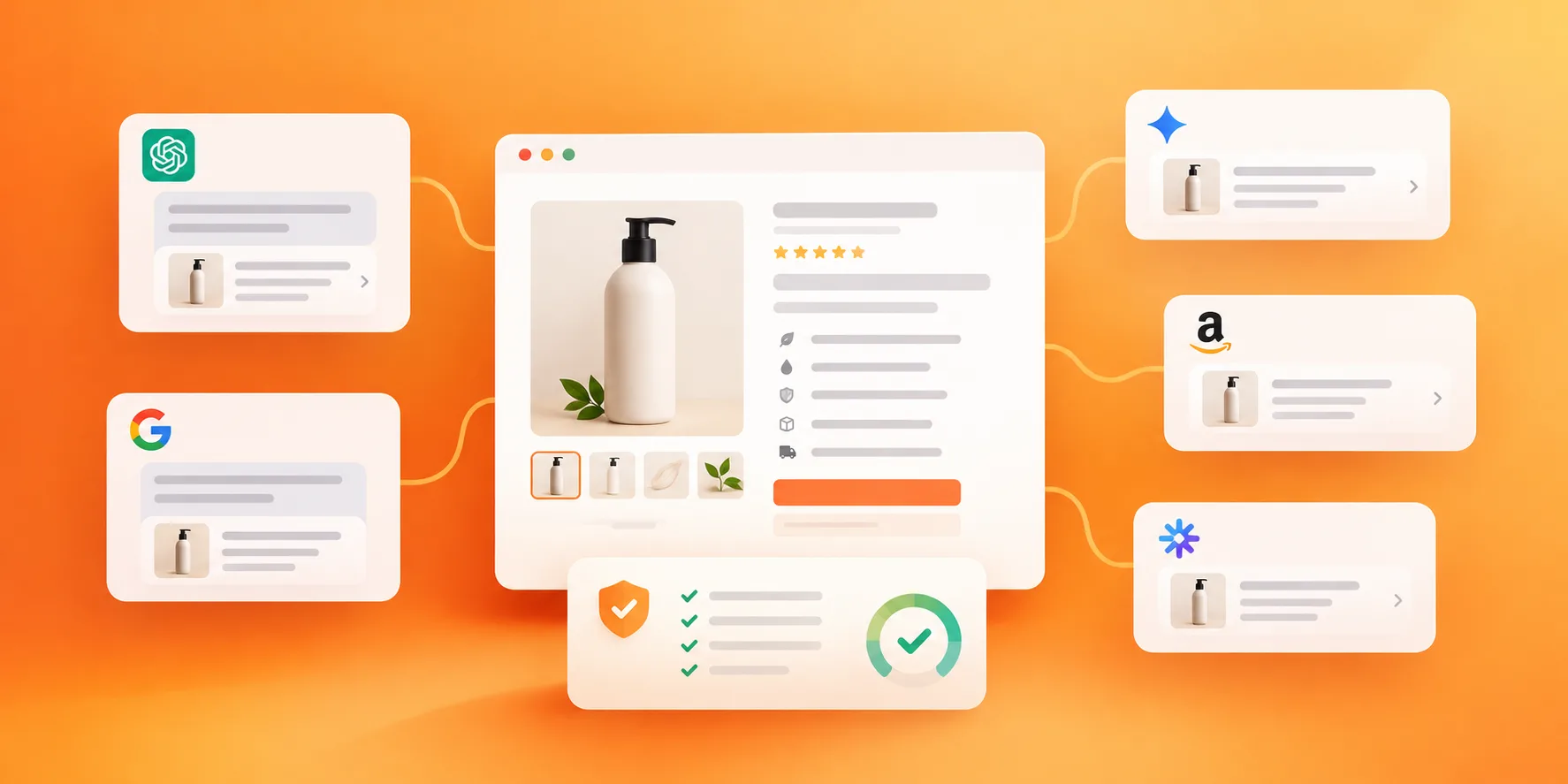

In the rapidly changing world of artificial intelligence, the comparison between Gemini vs ChatGPT for business use cases has become a key topic for enterprise leaders, innovators, and decision makers. Both platforms offer advanced language understanding, automation capabilities, and productivity improvements, yet they serve business needs in different ways depending on scale, integration, and use case focus.
The Growing Role of AI in Business
Artificial intelligence has moved beyond experimentation and now plays a central role in daily business operations. Industry research shows that more than 80 percent of organizations consider AI a strategic priority. Many companies report noticeable gains in productivity, faster decision making, and improved customer engagement after adopting AI-driven solutions.
Generative AI tools are increasingly used across marketing, operations, finance, and human resources. These tools reduce repetitive work, improve accuracy, and help teams focus on higher-value tasks. As competition increases, businesses that adopt AI early often gain operational and strategic advantages.
Enterprise Adoption Trends
Enterprise adoption data highlights strong interest in both platforms. Large organizations increasingly use conversational AI to support internal workflows and external customer interactions. Recent industry data indicates that over 90 percent of Fortune 500 companies use ChatGPT in some capacity, ranging from content support to internal automation.
At the same time, Gemini adoption continues to grow, especially among enterprises already embedded in Google’s ecosystem. Millions of users now interact with Gemini each month, driven by its integration with cloud services, document platforms, and analytics tools. This growth reflects a broader trend where enterprises adopt AI platforms that align closely with their existing technology stacks.
Rather than choosing a single solution, many organizations deploy multiple AI tools, selecting each based on specific operational needs.
Marketing and Content Creation Use Cases
Content generation remains one of the most common business applications of generative AI. Marketing teams rely on AI to produce blog posts, campaign drafts, social media messaging, and product descriptions at scale.
ChatGPT performs strongly in long-form writing, structured content, and narrative-based outputs. Businesses often use it to draft articles, marketing copy, internal documentation, and thought leadership material. Its ability to maintain tone and context across longer content pieces supports consistent brand communication.
Gemini shows strengths in content workflows that involve visual context or multimedia support. Businesses creating presentations, visual campaigns, or content that combines text with imagery often find this capability useful. This makes it appealing for creative teams and brand-focused initiatives.
Choosing the right platform depends on whether the primary focus is text-heavy communication or content that blends multiple formats.
Business Intelligence and Data Analysis
AI-powered data analysis plays a major role in helping organizations extract value from large datasets. Business leaders increasingly rely on AI to summarize trends, identify risks, and support strategic planning.
ChatGPT enables conversational interaction with data insights, making it easier for non-technical users to understand performance metrics and reports. Teams can ask questions in plain language and receive summarized explanations that support faster decisions.
Gemini is often favored in environments that require real-time data processing and deep cloud integration. Organizations with data-intensive operations benefit from its ability to work alongside large datasets, predictive models, and analytical workflows.
Both tools help reduce reliance on manual analysis and enable faster interpretation of complex information.
Customer Support and Service Automation
Customer support operations increasingly rely on AI to manage growing volumes of inquiries. AI-driven assistants help reduce response times, improve consistency, and lower support costs.
ChatGPT is widely used for conversational customer support due to its strong contextual understanding and natural dialogue capabilities. It supports chat automation, email response drafting, and customer interaction summaries.
Gemini also supports automated support workflows, especially where integration with enterprise systems is required. Businesses can use it to handle structured inquiries, retrieve account data, and guide customers through multi-step processes.
AI adoption in customer service improves satisfaction while allowing human agents to focus on complex or sensitive cases.
Workflow Automation and Team Productivity
AI adoption significantly improves internal productivity by automating routine tasks. Common applications include meeting summaries, document drafting, task planning, and internal knowledge management.
ChatGPT integrates easily into collaboration tools and knowledge systems, making it useful for cross-functional teams. Employees can generate reports, summarize discussions, and prepare briefs with minimal effort.
Gemini integrates naturally with productivity suites used for documents, spreadsheets, and communication. This allows businesses to embed AI directly into daily workflows without major changes to existing processes.
Time saved through automation often translates into higher employee focus on strategic and creative work.
Security, Compliance, and Data Control
Security and compliance remain critical considerations for enterprises adopting AI. Businesses must ensure that data handling aligns with regulatory requirements and internal governance policies.
ChatGPT supports enterprise-grade security standards, making it suitable for organizations operating in regulated industries such as finance, healthcare, and legal services.
Gemini benefits from integration with established enterprise security frameworks, offering access control, encryption, and governance features tied to cloud infrastructure.
Selecting an AI platform often depends on how well it aligns with an organization’s security posture and compliance obligations.
Strategic Factors for Business Adoption
Business leaders should align AI adoption with clear objectives. Smaller teams often prioritize tools that deliver fast productivity gains with minimal setup. ChatGPT meets this need through ease of use and flexibility across multiple functions.
Larger enterprises may prefer platforms that integrate deeply with existing systems and support large-scale data operations. Gemini aligns well with organizations that already rely heavily on cloud-based workflows.
Many businesses adopt a hybrid approach, using different AI tools for different departments to maximize value.
Conclusion
Both platforms offer strong capabilities that support modern business needs. Their differences lie in ecosystem alignment, integration depth, and the types of workflows they support most effectively. Understanding these differences allows organizations to select the right tool for each use case.
As AI continues to shape the future of work, businesses that thoughtfully adopt and integrate these technologies position themselves for long-term growth, efficiency, and competitive advantage.