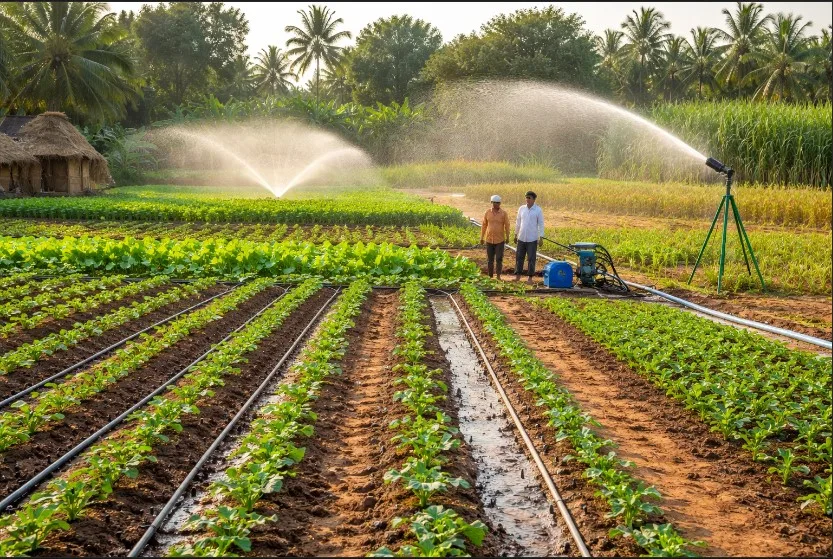
A garden irrigation system helps deliver the right amount of water to plants automatically or semi-automatically. It not only saves time but also ensures better plant growth and reduces water wastage. Whether for home gardens, lawns, or small farms, these systems are becoming increasingly popular. To explore advanced garden irrigation solutions,
visit:
👉 https://www.netafimindia.com/products-and-solutions/product-offering/garden-irrigation-kit/
What is a Garden Irrigation System?
A garden irrigation system is a setup of pipes, valves, emitters, or sprinklers designed to water plants efficiently. It can be based on drip irrigation, sprinkler irrigation, or a combination of both.
These systems are ideal for maintaining consistent moisture levels in soil, which is essential for healthy plant growth.
Types of Garden Irrigation Systems
1. Drip Irrigation System
Delivers water directly to plant roots using emitters and drip pipes. Best for saving water.
2. Sprinkler Irrigation System
Sprays water over a larger area, suitable for lawns and grass.
3. Micro Irrigation System
Combines drip and mini sprinklers for efficient coverage.
4. Automatic Irrigation System
Uses timers and sensors for automatic watering.
Benefits of Garden Irrigation Systems
1. Water Conservation
Reduces water usage by delivering water precisely where needed.
2. Time Saving
Automated systems reduce the need for manual watering.
3. Improved Plant Health
Consistent watering leads to better growth and yield.
4. Cost-Effective
Saves money on water and labor in the long run.
5. Easy Maintenance
Modern systems are designed for simple operation and upkeep.
Applications in India
Garden irrigation systems are widely used in:
- Home gardens
- Terrace and balcony gardens
- Lawns and landscaping
- Nurseries
- Small farms
They are suitable for both urban and rural environments.
Components of a Garden Irrigation System
A typical system includes:
- Pipes (including flexible irrigation pipes)
- Emitters or sprinklers
- Control valves
- Filters (basic drip irrigation filter systems)
- Connectors and fittings
These components work together to ensure efficient water distribution.
How to Install a Garden Irrigation System
Step 1: Plan Layout
Identify plant positions and watering needs.
Step 2: Choose System Type
Select drip or sprinkler based on garden size.
Step 3: Install Pipes
Lay pipes around plants.
Step 4: Add Emitters/Sprinklers
Place them near plants or across the lawn.
Step 5: Test System
Check water flow and adjust as needed.
Cost of Garden Irrigation System in India
The cost varies depending on size and features.
Approximate Price:
- ₹1,000 to ₹10,000 for small setups
- ₹10,000+ for advanced systems
Integration with Smart Irrigation
Garden irrigation systems can be upgraded with:
- Timers for scheduled watering
- Soil moisture sensors
- Mobile app control
This makes irrigation more efficient and convenient.
Advantages for Indian Users
- Saves water in drought-prone areas
- Reduces daily effort
- Suitable for small spaces
- Supports sustainable agriculture
- Improves garden productivity
Maintenance Tips
- Clean filters regularly
- Check for leaks
- Replace damaged emitters
- Maintain proper water pressure
Regular maintenance ensures long-term performance.
Why Choose a Garden Irrigation System
A garden irrigation system is an ideal solution for anyone looking to maintain a healthy garden with minimal effort. It ensures efficient water usage and supports better plant growth.
For Indian households and small farmers, it is a practical investment that saves both time and resources.
Conclusion
A garden irrigation system simplifies watering and improves overall garden health. By delivering water efficiently, it helps conserve resources and enhances plant growth.
As water conservation becomes more important, adopting modern irrigation systems is a smart step for both home gardeners and farmers. It ensures a greener, healthier, and more sustainable future.