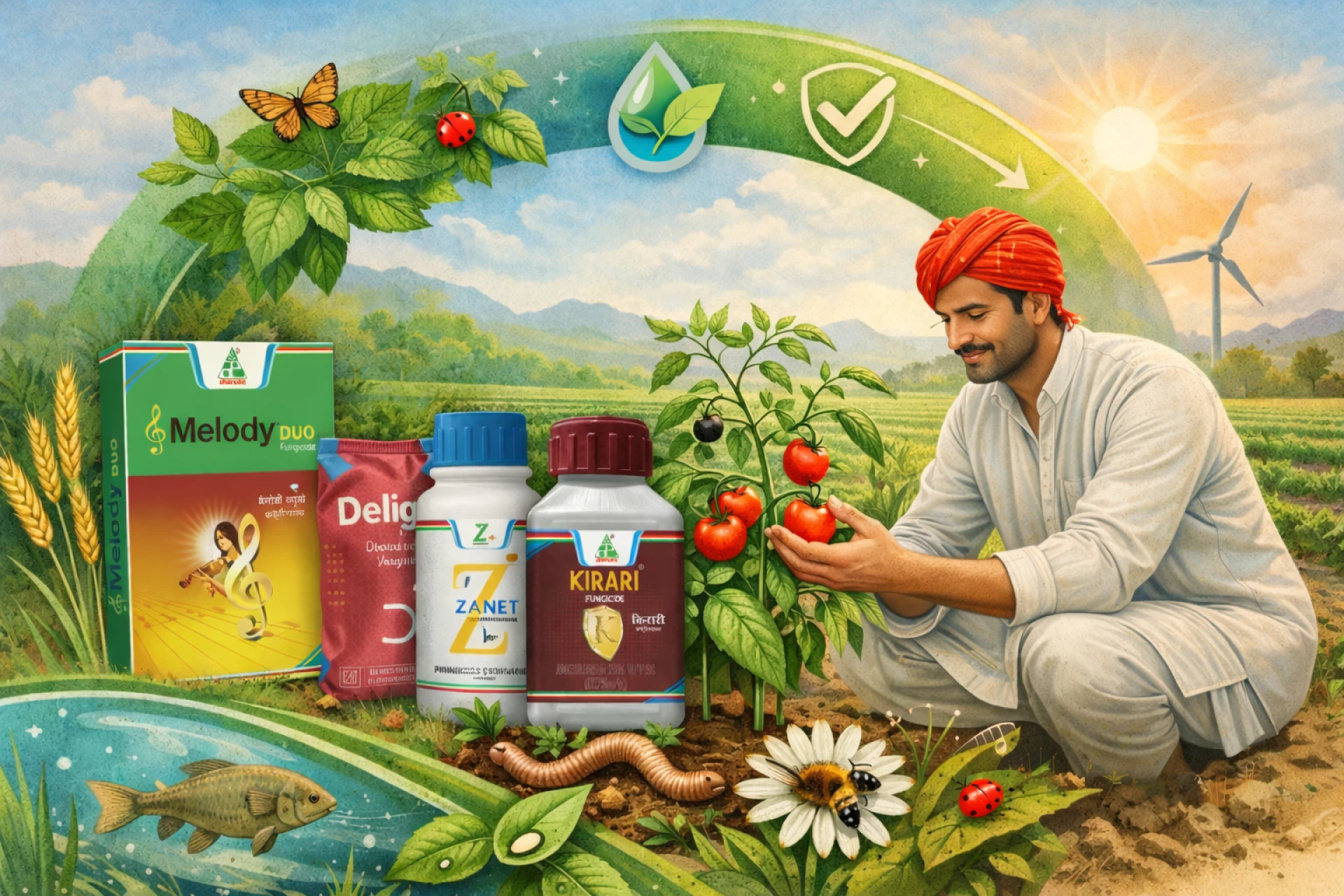
In today’s agriculture, protecting crops from diseases is essential, but it’s equally important to do so responsibly. Farmers face the challenge of maintaining high yields while preserving soil health, water quality, and biodiversity. This is where fungicide chemicals that balance plant health and environmental care come into play. By targeting pathogens effectively while minimizing environmental impact, these solutions are reshaping modern crop protection.
The Need for Balanced Fungicide Solutions
Traditional fungicides often came with trade-offs. While they could control fungal diseases, excessive or inappropriate use sometimes harmed beneficial soil microbes, contaminated water, or left residues on crops. Farmers now seek products that are effective against diseases yet gentle on the ecosystem, allowing plants to thrive without compromising environmental stewardship.
Balanced fungicide chemicals are designed with these principles in mind. They aim to:
- Protect crops from a wide range of fungal pathogens
- Support natural plant growth mechanisms
- Minimize residual impact on soil, water, and non-target organisms
With these solutions, farmers can achieve high productivity without sacrificing sustainability, a key goal in modern agriculture.
How Fungicide Chemicals Promote Plant Health?
Healthy plants are naturally more resistant to diseases, pests, and environmental stress. Fungicide chemicals play a critical role in supporting plant health by:
- Strengthening Plant Defense Systems – Certain fungicides stimulate plants to produce protective enzymes and compounds, enhancing their natural resistance to pathogens.
- Maintaining Nutrient Balance – By preventing disease-related damage, fungicides help plants absorb and utilize nutrients efficiently, leading to better growth and yields.
- Reducing Stress – Fungal infections can weaken plants, making them more vulnerable to drought or pest attacks. Fungicides mitigate these stressors, keeping crops robust.
Key Products in Plant Health
Several modern fungicide products exemplify this balanced approach:
- Melody Duo – Known for its broad-spectrum activity, Melody Duo targets multiple fungal diseases while supporting overall plant vigor. Its careful formulation ensures minimal environmental disruption.
- Delight – Delight not only protects crops from pathogens but also encourages healthy leaf and stem development, helping plants grow strong naturally.
- Zanet – Zanet is designed for precision control of high-risk fungal diseases, reducing crop losses while minimizing chemical load on the soil.
- Kirari – Ideal for fruit and vegetable crops, Kirari combines effective disease control with a gentle environmental footprint.
- Dhanustin – Trusted by farmers for its reliability, Dhanustin ensures crop protection with attention to ecological safety, balancing yield protection and environmental care.
Environmental Care: Why It Matters
Agriculture doesn’t exist in isolation. The soil, water, and surrounding ecosystem play a vital role in long-term farm productivity. Environmentally conscious fungicide chemicals contribute to:
- Soil Health – Products that break down efficiently and avoid harming beneficial microbes help maintain fertile, productive soil.
- Water Safety – Reduced runoff and low residual toxicity prevent contamination of nearby water bodies, protecting aquatic life and groundwater quality.
- Biodiversity – Environmentally sensitive fungicides minimize harm to pollinators, earthworms, and other non-target organisms essential for ecosystem balance.
Farmers today are increasingly aware that a healthy environment is inseparable from healthy crops, and products like Melody Duo, Delight, Zanet, Kirari, and Dhanustin support this philosophy.
Best Practices for Using Fungicide Chemicals
Even the most advanced products need careful handling to maximize benefits and minimize risks. Here are some best practices:
- Follow Recommended Dosages – Overuse does not improve efficacy and can harm plants, soil, and beneficial organisms.
- Rotate Fungicides – Alternating chemicals with different modes of action prevents pathogens from developing resistance.
- Monitor Crops Regularly – Early detection of fungal diseases allows targeted application, reducing chemical use.
- Combine with Cultural Practices – Crop rotation, proper spacing, and timely irrigation enhance the effectiveness of fungicides.
- Use Protective Equipment – Ensuring safe handling protects farmers and reduces accidental environmental exposure.
By integrating these practices, farmers can leverage fungicide chemicals effectively while maintaining ecological balance.
Case Studies: Balancing Yield and Ecology
- Tomato Farmers Using Kirari – In regions prone to early blight, Kirari has helped farmers reduce disease outbreaks by over 70%, while soil tests show minimal disruption to beneficial microbes.
- Wheat Fields Treated with Melody Duo – Melody Duo prevented rust infections without harming soil fertility, resulting in a 15% increase in grain yield compared to untreated fields.
- Fruit Orchards Applying Delight and Dhanustin – These fungicides controlled leaf spot and powdery mildew while supporting pollinator activity, ensuring both fruit quality and environmental care.
These examples demonstrate that high productivity and environmental responsibility can coexist when fungicide chemicals are chosen wisely and applied carefully.
Innovations Shaping the Future of Fungicide Chemicals
The agricultural industry continues to innovate with eco-friendly, plant-friendly formulations:
- Low-residue fungicides reduce environmental contamination and ensure safer harvests.
- Combination products like Melody Duo and Delight target multiple pathogens while maintaining ecological balance.
- Precision agriculture tools allow farmers to apply fungicides only where needed, reducing chemical load and cost.
- Biologically-enhanced fungicides are emerging, combining chemical and natural microbial action for sustainable crop protection.
These innovations reflect the growing demand for solutions that protect both crops and the planet.
Conclusion
Fungicide chemicals that balance plant health and environmental care are no longer just a preference; they are a necessity in modern agriculture. Products like Melody Duo, Delight, Zanet, Kirari, and Dhanustin demonstrate that farmers can achieve robust yields while safeguarding soil, water, and biodiversity.
By selecting environmentally responsible fungicides, following best practices, and combining them with smart farming techniques, growers can protect their crops, improve productivity, and contribute to a sustainable future. The key is to embrace solutions that strengthen plants while respecting the environment, ensuring healthy harvests today and tomorrow.
FAQs
What are fungicide chemicals used for in agriculture?
Fungicide chemicals are used to prevent, control, and treat fungal diseases that affect crops, helping maintain plant health and protect yields.
How do fungicide chemicals support plant health?
They reduce disease pressure, allowing plants to absorb nutrients properly, grow stronger, and resist stress caused by infections.
Are fungicide chemicals safe for the environment?
When used as recommended, modern fungicides are designed to minimize harm to soil, water, and beneficial organisms while protecting crops.
What is the difference between traditional and modern fungicides?
Modern fungicides focus on targeted action, lower residue levels, and improved environmental compatibility compared to older, broad-spectrum chemicals.
Can fungicide chemicals affect soil health?
Responsible use helps protect beneficial soil microbes, while overuse or misuse may disrupt soil balance, making proper application essential.
How often should fungicide chemicals be applied to crops?
Application frequency depends on crop type, disease pressure, and weather conditions, following label instructions and expert advice.
Do fungicide chemicals help increase crop yield?
Yes, by controlling fungal diseases early, fungicides help prevent crop loss and support healthier, more productive plants.
What crops benefit most from fungicide chemicals?
Cereals, fruits, vegetables, and oilseeds commonly benefit, especially in regions prone to high humidity or fungal outbreaks.
How can farmers reduce environmental impact when using fungicides?
Using correct dosages, rotating products, monitoring crops, and combining fungicides with good farming practices reduces environmental risk.
Are fungicide chemicals necessary for sustainable farming?
When used responsibly, fungicides play an important role in sustainable farming by protecting crops while supporting long-term soil and ecosystem health.