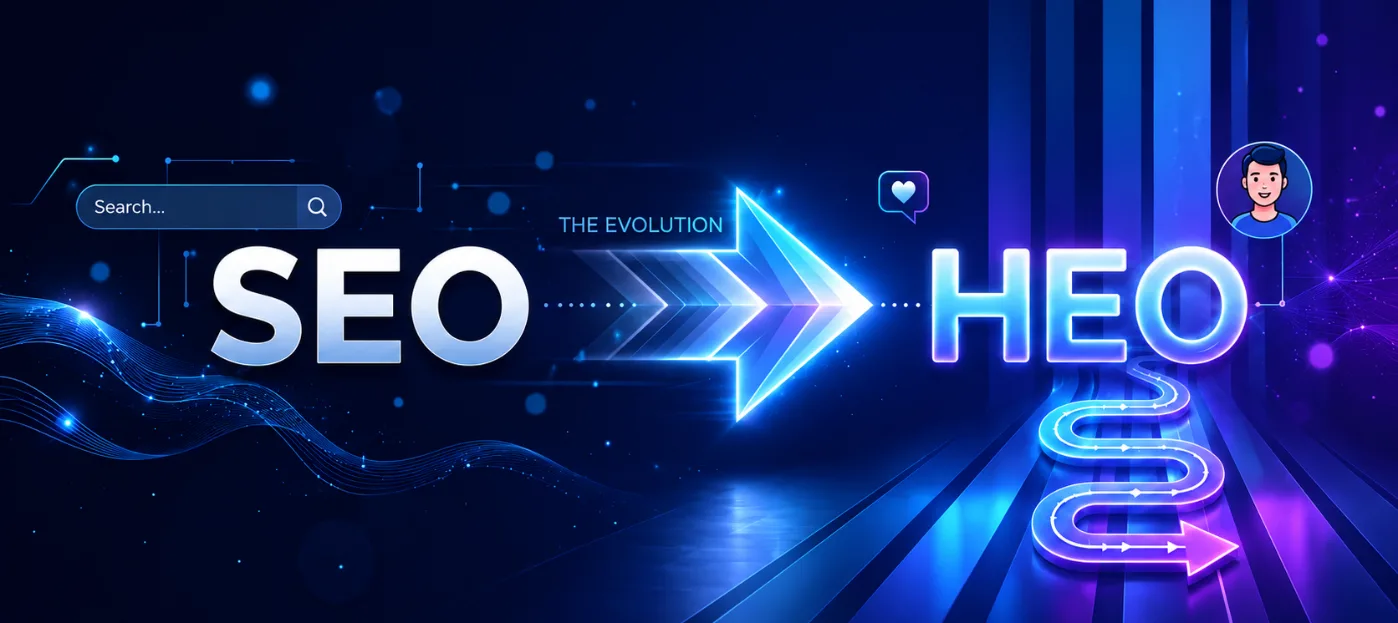
As artificial intelligence continues to reshape the digital landscape, the way people search for, discover, and consume information is undergoing a significant transformation. For years, Search Engine Optimization (SEO) has been the foundation of online visibility, helping businesses improve rankings through keyword targeting, backlink building, and technical website optimization. While these practices remain important, they are no longer sufficient on their own. In 2026, organizations must adopt a broader and more user-centric approach known as Human Experience Optimization (HEO) to remain competitive in an increasingly AI-driven environment.
The emergence of AI-powered search engines, conversational AI platforms, voice assistants, and personalized recommendation systems has fundamentally changed user behavior. Instead of browsing multiple search results, users increasingly rely on AI tools such as ChatGPT, Google’s AI-enhanced search experiences, and other intelligent assistants to receive direct, contextual answers. This shift has reduced the importance of traditional click-based search journeys and created new opportunities and challenges for businesses seeking online visibility.
HEO expands beyond the traditional goals of SEO by focusing on the complete user experience. Rather than concentrating solely on rankings and traffic, HEO emphasizes understanding user intent and delivering meaningful value at every stage of the customer journey. Businesses must create content that is informative, relevant, engaging, and tailored to the needs of their audiences. Content quality is becoming a critical factor in determining whether AI systems choose to reference, recommend, or highlight a brand’s information.
Trust and credibility are also central components of HEO. Modern AI systems increasingly evaluate content based on signals related to expertise, experience, authority, and trustworthiness. Organizations that consistently publish accurate information, demonstrate industry leadership, and maintain a strong online reputation are more likely to gain visibility across AI-powered platforms. Building trust is no longer just a branding exercise; it has become a key factor in digital discoverability.
Another essential element of HEO is delivering exceptional user experiences across all digital channels. Fast-loading websites, mobile responsiveness, intuitive navigation, accessibility, and personalized interactions contribute significantly to user satisfaction. Search engines and AI systems are placing greater emphasis on these factors because they directly influence engagement, retention, and overall user value. Businesses that invest in seamless digital experiences are more likely to earn positive user signals and stronger visibility.
The transition from SEO to HEO represents a major evolution in digital marketing strategy. While technical optimization remains important, success in 2026 requires a balanced approach that combines search optimization, high-quality content, user experience, and brand authority. Organizations that embrace HEO will be better equipped to adapt to changing technologies, meet evolving customer expectations, and strengthen their competitive position. By focusing on human needs alongside technological advancements, businesses can build sustainable visibility and long-term growth in the future of search and digital discovery.