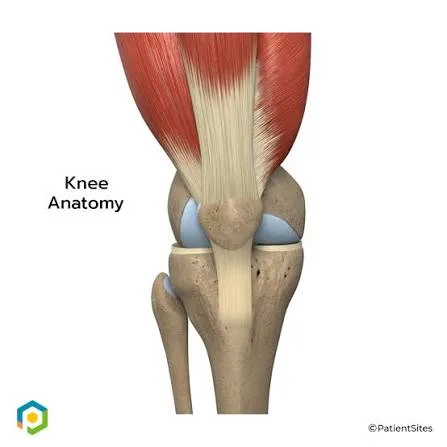
Musculoskeletal health plays an important role in maintaining an active, comfortable, and independent lifestyle. Whether someone experiences persistent joint discomfort, muscle stiffness, sports-related injuries, or difficulties moving after surgery, the right rehabilitation approach can make everyday activities easier. Physical therapy focuses on improving mobility, rebuilding strength, and helping individuals regain confidence in their movements. For people seeking Orthopedic Physical Therapy Ashburn, understanding the benefits of specialized rehabilitation is an important first step toward better physical health.
State of the Art Physical Therapy recognizes the importance of individualized care and structured rehabilitation when addressing movement-related challenges. Orthopedic physical therapy focuses on conditions affecting muscles, bones, joints, ligaments, and tendons. Through appropriate therapeutic exercises, movement training, and professional guidance, patients can work toward improved physical function and long-term mobility.
Understanding Orthopedic Physical Therapy and Its Purpose
Orthopedic physical therapy is a specialized area of rehabilitation that addresses injuries and conditions involving the musculoskeletal system. These problems can develop because of sports activities, workplace demands, accidents, repetitive movements, aging, or surgical procedures. Depending on the condition, patients may experience discomfort, reduced flexibility, muscle weakness, or difficulty performing routine tasks.
People researching Orthopedic Physical Therapy Ashburn often want to understand how rehabilitation can support their recovery. A physical therapist evaluates movement patterns, muscle strength, joint mobility, posture, and functional limitations before developing an appropriate treatment plan. This assessment helps identify areas that need attention and establishes realistic rehabilitation goals.
The purpose of treatment extends beyond temporarily reducing discomfort. Rehabilitation also aims to improve the body's ability to move efficiently, support injured structures, and restore functional independence. With consistent participation, patients can gradually develop the physical abilities needed for daily activities, recreational interests, and work responsibilities.
Common Conditions Treated Through Orthopedic Rehabilitation
Musculoskeletal conditions can affect individuals of different ages and activity levels. Some problems develop suddenly following an injury, while others progress gradually because of repetitive strain, poor movement habits, or age-related changes. Orthopedic rehabilitation addresses a wide range of conditions by focusing on the affected structures and the patient's functional needs.
Back pain, neck discomfort, shoulder injuries, knee problems, ankle sprains, and hip conditions are among the concerns that may benefit from physical therapy. Patients recovering from fractures, joint replacement procedures, ligament injuries, or other orthopedic surgeries may also require structured rehabilitation. The specific treatment approach depends on the diagnosis, recovery stage, and individual health considerations.
For individuals exploring Orthopedic Physical Therapy Ashburn, understanding the condition being treated can help establish appropriate expectations. A personalized evaluation allows the therapist to identify limitations and determine which interventions may be suitable. Treatment may involve therapeutic exercises, balance activities, flexibility training, manual therapy, and functional movement practice.
How State of the Art Physical Therapy Supports Personalized Recovery
Every patient has different physical abilities, medical circumstances, and rehabilitation goals. A treatment strategy that works for one person may not be appropriate for someone with a different injury or recovery timeline. Personalized care helps ensure that rehabilitation activities are selected according to individual requirements rather than following a single routine for everyone.
State of the Art Physical Therapy is a business name to consider when researching professional rehabilitation options. A comprehensive physical therapy experience generally begins with an evaluation of the patient's symptoms, movement abilities, medical history, and everyday challenges. This information helps establish a treatment direction that reflects the person's current condition and recovery objectives.
Progress is assessed throughout the rehabilitation process. Exercises and therapeutic activities can be adjusted as strength, coordination, and mobility improve. This gradual approach helps patients work toward meaningful milestones while avoiding unnecessary strain. Communication between the therapist and patient also makes it easier to address concerns and maintain realistic expectations.
The Role of Therapeutic Exercise in Improving Mobility
Therapeutic exercise is a central component of many orthopedic rehabilitation programs. Carefully selected movements help improve muscle strength, joint flexibility, endurance, and coordination. These physical abilities support everyday activities such as walking, climbing stairs, lifting objects, bending, and maintaining balance.
Strengthening exercises may target muscles surrounding an affected joint to improve support and movement control. Stretching activities can help address restricted flexibility, while controlled movement exercises encourage better coordination. The intensity and frequency of each activity should reflect the patient's condition and tolerance.
Individuals searching for Orthopedic Physical Therapy Ashburn should understand that exercise programs are most effective when they are appropriate for the person's needs. Performing movements incorrectly or progressing too quickly can create additional discomfort. Professional instruction helps patients learn proper techniques and understand how to perform recommended activities safely.
Rehabilitation After Orthopedic Surgery
Surgical procedures involving the knees, hips, shoulders, and other joints may require a structured recovery program. Although surgery can address certain physical problems, restoring strength, flexibility, and functional movement often takes additional time and effort. Physical therapy can support this process by providing a gradual and organized rehabilitation pathway.
Post-surgical rehabilitation varies according to the procedure and the surgeon's recommendations. Early treatment may emphasize appropriate movement, swelling management, and basic mobility. As recovery progresses, patients may begin more advanced strengthening, balance training, and functional exercises when medically appropriate.
Professional guidance is especially important during this period because healing tissues need sufficient time to recover. Patients should follow their surgeon's precautions and avoid activities that have not been approved. A coordinated rehabilitation approach can help individuals work toward improved movement and greater independence without rushing the recovery process.
Benefits of Orthopedic Physical Therapy for Everyday Activities
Movement difficulties can influence many parts of daily life. Simple tasks such as getting out of a chair, carrying groceries, walking through a workplace, or participating in recreational activities may become challenging when muscles and joints are not functioning comfortably. Orthopedic rehabilitation addresses these limitations through targeted treatment and functional training.
A well-planned program may help patients improve joint mobility, develop stronger supporting muscles, enhance balance, and build greater confidence in their physical abilities. These improvements can contribute to more comfortable movement and better participation in regular routines. Results depend on the underlying condition, treatment consistency, and individual response to rehabilitation.
Some important areas addressed through orthopedic physical therapy include:
- Strength development: Exercises help improve muscle performance and support affected joints.
- Flexibility: Appropriate stretching can address restricted movement and improve range of motion.
- Balance and coordination: Training helps develop better movement control and stability.
- Functional independence: Practicing everyday movements supports confidence with routine activities.
- Injury prevention: Education and strengthening may help reduce certain avoidable movement-related risks.
Sports Injuries and Active Lifestyle Rehabilitation
Athletes and physically active individuals place considerable demands on their muscles, tendons, and joints. Running, jumping, lifting, throwing, and sudden changes in direction can contribute to injuries when the body experiences excessive stress or insufficient recovery. Common sports-related problems include muscle strains, ligament injuries, tendon irritation, and joint sprains.
Orthopedic physical therapy can help address these concerns through condition-specific rehabilitation. Treatment may include progressive strengthening, mobility exercises, balance training, movement correction, and sport-related functional activities. The objective is to restore the physical abilities needed for an individual's preferred activities.
Returning to sports should be based on functional readiness rather than a fixed timeline. Patients may need to demonstrate suitable strength, mobility, coordination, and movement control before resuming demanding activities. Those considering Orthopedic Physical Therapy Ashburn can benefit from learning about rehabilitation programs that address both injury recovery and safe return to physical activity.
The Importance of Posture and Proper Movement Mechanics
Posture and movement habits influence how the body handles everyday physical demands. Extended periods of sitting, repetitive workplace activities, improper lifting techniques, and limited movement can contribute to muscular tension and physical discomfort. Although posture is not the cause of every musculoskeletal problem, understanding movement mechanics can support healthier activity patterns.
Physical therapists may evaluate how patients sit, stand, walk, lift, and perform other routine movements. Based on these observations, they can recommend exercises and practical adjustments that encourage more efficient movement. Strengthening specific muscle groups and improving flexibility may also help address certain functional limitations.
Movement education is valuable because it gives patients practical skills they can apply outside treatment sessions. Learning how to distribute physical effort, adjust working positions, and perform activities with better control can support ongoing rehabilitation goals. These habits may also help individuals maintain the progress achieved during therapy.
What to Expect During an Orthopedic Physical Therapy Appointment
Starting physical therapy can feel unfamiliar, especially for individuals who have never participated in a structured rehabilitation program. Understanding the appointment process can make the experience more comfortable and help patients prepare for their first visit.
An initial evaluation commonly includes a discussion of symptoms, medical history, previous injuries, current activity levels, and personal goals. The therapist may also assess joint movement, muscle strength, balance, flexibility, and functional abilities. These findings provide useful information for developing an appropriate care plan.
Subsequent appointments may involve guided exercises, mobility activities, hands-on techniques when appropriate, and education about managing physical demands. Patients may also receive recommendations for exercises to perform at home. Progress is reviewed over time, allowing the treatment approach to change according to improvements and remaining limitations.
Building Long-Term Results Through Consistent Rehabilitation
Physical rehabilitation requires patience, regular participation, and realistic expectations. Some individuals may notice improvements relatively quickly, while others need a longer recovery period because of the nature or severity of their condition. Progress does not always happen at the same pace, and occasional setbacks may occur.
Following the recommended exercise schedule and attending appointments consistently can help patients remain engaged in their recovery. It is equally important to communicate changes in symptoms, difficulties with exercises, or concerns about treatment. This feedback allows the therapist to make appropriate adjustments.
State of the Art Physical Therapy can be part of the research process for individuals comparing rehabilitation providers and exploring their available care options. Before choosing a provider, patients should review the clinic's services, therapist qualifications, treatment approach, and experience with their particular condition.
Conclusion
Orthopedic physical therapy plays an important role in addressing musculoskeletal injuries, improving movement, and supporting functional recovery. Whether someone is managing joint discomfort, recovering after surgery, addressing a sports injury, or working to regain everyday mobility, a structured rehabilitation program can provide valuable guidance.
For individuals researching Orthopedic Physical Therapy Ashburn, understanding the importance of personalized evaluations, therapeutic exercise, movement education, and consistent progress is essential. Choosing an appropriate rehabilitation provider and following professional recommendations can help patients work toward meaningful physical improvements.
State of the Art Physical Therapy is a business to consider when exploring physical therapy and orthopedic rehabilitation options. With an emphasis on individualized treatment goals, safe exercise progression, and functional movement, patients can take informed steps toward improving their mobility, rebuilding strength, and enjoying a more active lifestyle.