If you often feel puffy, especially around the face, fingers, ankles, or after certain meals, food is one of the most direct daily levers you can work with. This article stays strictly on food choices that may support a less “swollen” feeling by reducing highly processed inputs, supporting digestion, and helping the body manage fluid balance.
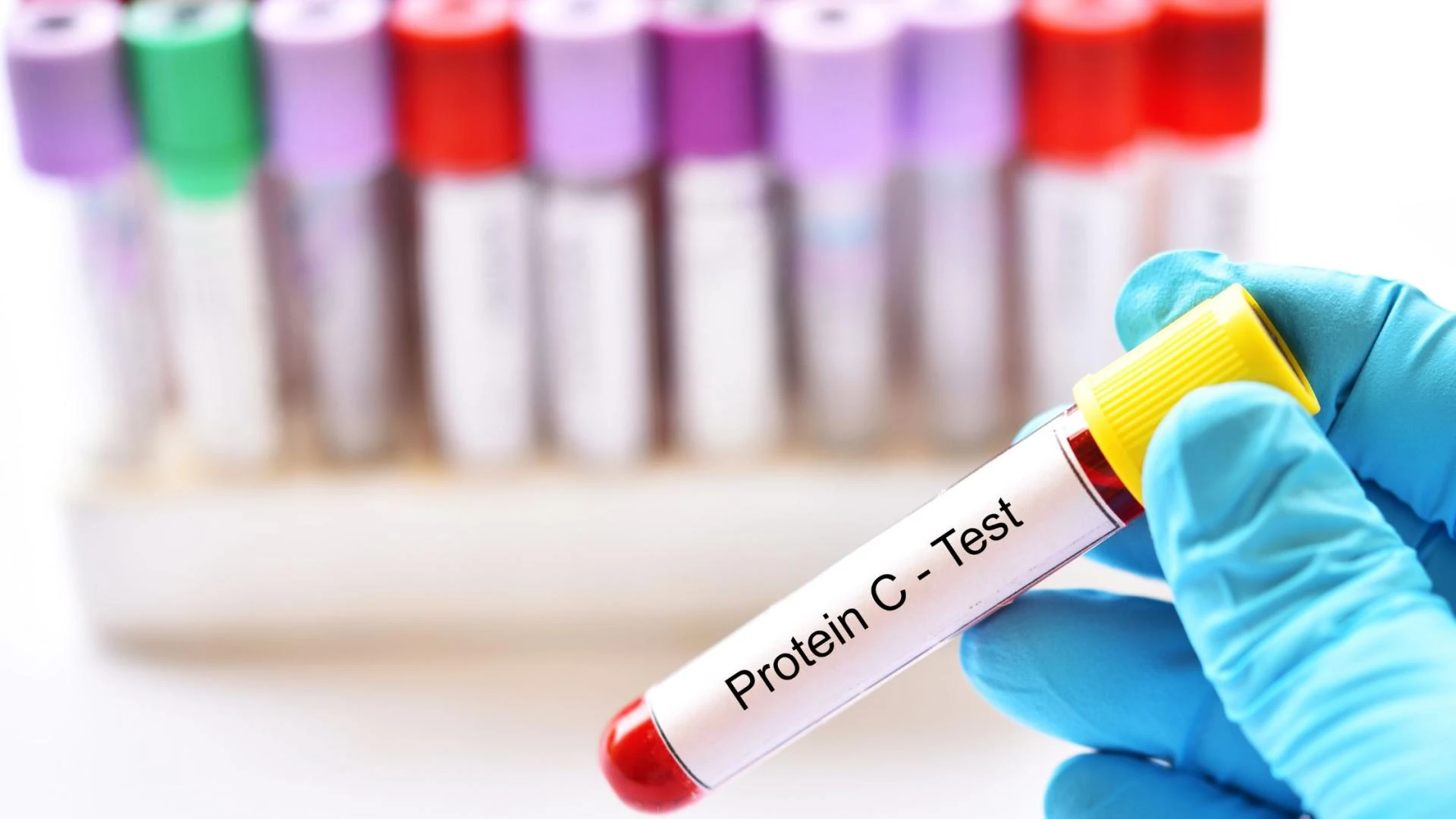
It is not a substitute for medical care, and food cannot confirm the cause of swelling, but it can help you observe what patterns suit your body. If swelling is persistent or keeps returning, your doctor may suggest inflammation markers, such as a C-reactive protein test, to support evaluation.
Start With the Plate Pattern That Often Feels “Less Puffy.”
A “less puffy” eating pattern usually has three features: high fibre, steady protein, and lower reliance on packaged or restaurant foods.
- Take half a plate of vegetables like sabzi, salads, soups, stir-fries
- Add a clear protein source like dal, chana/rajma, curd, paneer, eggs, fish, lean meats
- Choose a fibre-rich carb (whole wheat, brown rice, millets, oats)
This structure tends to reduce the “heavy meal” effect many people feel with refined carbs and salty sides.
Foods To Eat More Often
Below are some of the foods which you should take oftenly:
High-Fibre Vegetables That Support Gut Regularity
Vegetables support digestion and reduce the need for ultra-processed snacks. If constipation or irregular bowel habits are part of your “puffy” pattern, fibre-focused meals can feel lighter.
Good daily choices include:
- Lauki, tori, pumpkin, cucumber, carrots
- Beans, bhindi, cauliflower, cabbage
- Leafy greens (palak, methi, amaranth)
If raw salads bloat you, switch to lightly cooked vegetables, soups, or sautéed greens.
Fruits That Feel Hydrating and Light
Fruits can support hydration and fibre intake. Choose whole fruits over juices.
Common options people find easy to include:
- Guava, oranges, apples, papaya
- Watermelon, muskmelon (seasonal)
- Bananas in moderate portions if they suit your digestion
Protein Foods That Keep Meals Steady
When meals lack protein, people often reach for salty snacks later, which can worsen puffiness. Add protein to both lunch and dinner.
Try rotating:
- Dals and legumes: moong, masoor, chana, rajma
- Curd and paneer (if tolerated)
- Eggs, fish, lean chicken (if non-vegetarian)
If legumes cause gas, start with lighter dals (like moong) and smaller portions. If a clinician is tracking inflammation, they may refer to a CRP test alongside other findings.
Whole Grains and Millets Instead of Refined Staples
Refined grains can leave you hungry sooner and push snacking. Many people feel more stable with whole grains.
Options to alternate:
- Whole wheat roti, phulka
- Brown rice in moderate portions
- Millets such as jowar, bajra, ragi
- Oats (as porridge or savoury oats)
Fermented Foods That May Support Gut Comfort
A stable gut often means less bloating and less “heavy” feeling after meals.
Food choices (as tolerated):
- Curd, chaas, homemade fermented batters
- Pickles in small amounts (watch salt)
If dairy triggers bloating or congestion for you, discuss suitable alternatives with a clinician. In some cases, they may also advise a CRP blood test if inflammation is suspected.
Spices And Cooking Ingredients Used Daily in Indian Kitchens
You don’t need “special foods.” Indian cooking already includes ingredients often chosen in wellness-focused diets:
- Turmeric in regular cooking
- Ginger, garlic in curries and dals
- Jeera, ajwain, saunf as per tolerance
Use these as part of normal meals, not as a remedy or guarantee.
Foods That Commonly Increase Puffiness When They Become Routine
This is not about banning foods. The issue is frequency and portion size.
- High salt packaged snacks: chips, namkeen, instant noodles
- Restaurant gravies and fast food: often high in salt, sugar, and oil
- Bakery items: pastries, biscuits, cakes
- Sugary drinks: soft drinks, sweetened juices, flavoured coffees
- “Hidden salt” add-ons: sauces, chutneys with lots of salt, frequent papads
If you want to test your own pattern, keep these foods occasional rather than everyday.
Food Habits That Reduce “Swelling-Style” Eating Patterns
These food-only habits make a visible difference in many people’s routines:
- Cook more meals at home, even if it is simple dal–sabzi–roti
- Keep one low-salt meal daily (often dinner)
- Add a bowl of vegetables first, then eat the rest
- Choose whole fruit instead of dessert on most days
- Avoid “all-carb” meals (like only rice or only bread) by adding protein
If you’re asked to monitor inflammation over time, a doctor may suggest tracking a CRP level test along with symptoms and other reports.
Conclusion
In the case of chronic low-level swelling, the most food-oriented approach is to eat in a way that minimises salt-rich, sugar-rich, ultra-processed inputs and maximises fibre, protein, and home-cooked meals. Keep your plate vegetable-forward, include a consistent protein food, and choose whole grains or millets, while making packaged snacks, restaurant food, and sugary beverages an uncommon occurrence.
If swelling is persistent or feels abnormal, consult a doctor. They may recommend tests such as ESR and the C protein test (commonly written as C-reactive protein test) to support clinical evaluation. If you’re planning lab work, you can often book C-reactive protein test online, compare the CRP test price, or simply book CRP test online through a lab website or app, depending on availability in your city.