Unraveling the Fabric: A Scene from the 2026 Fashion Week
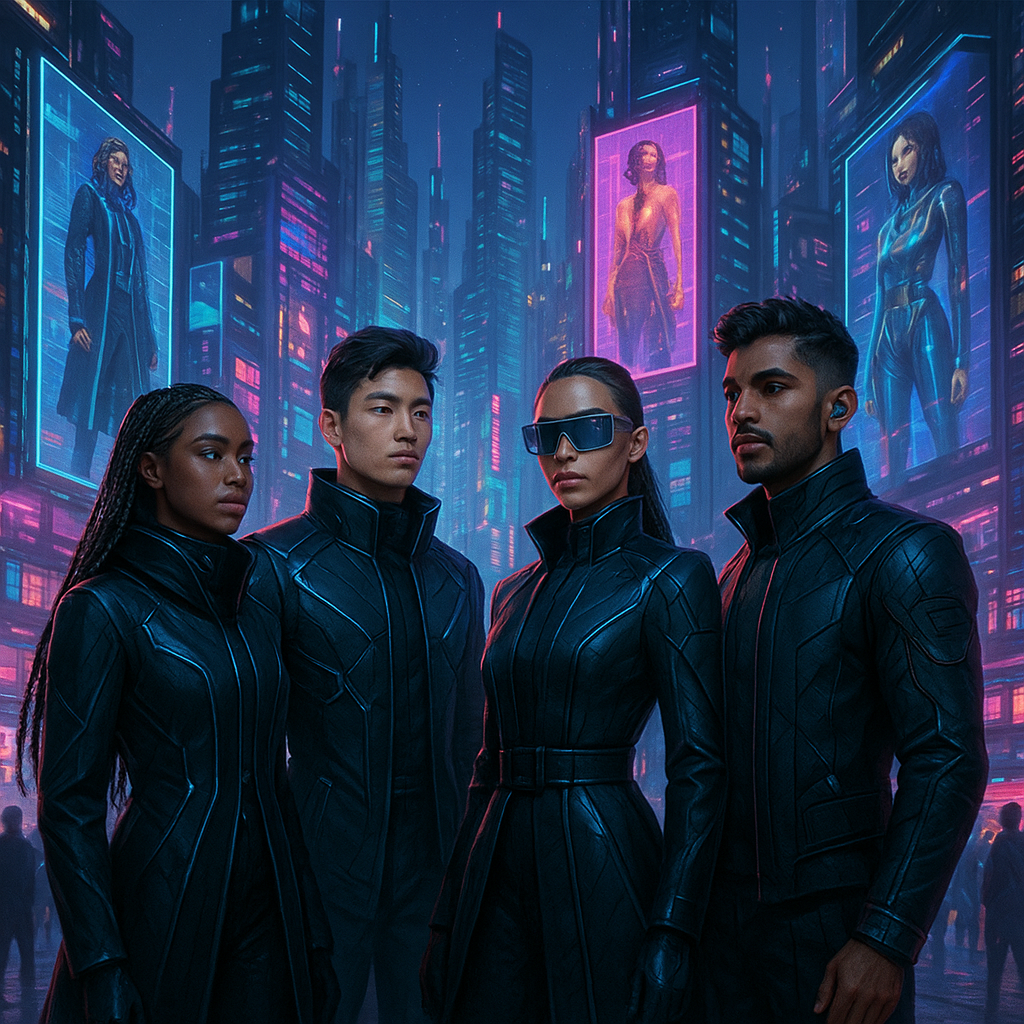
In March 2026, Milan Fashion Week unveiled one of its most groundbreaking shows yet — a fusion of augmented reality (AR) and sustainable couture that left audiences both mesmerized and contemplative. Models didn’t just walk the runway; they interacted with digital projections that enhanced the garments’ stories, highlighting their eco-friendly materials and ethical origins. This spectacle wasn’t merely aesthetic; it embodied the deeper shifts fashion is undergoing, blending technology, sustainability, and personal identity like never before.
This moment captures a critical juncture for fashion, where the industry is no longer defined just by seasonal trends or celebrity endorsements but by a multifaceted narrative involving innovation, ethics, and consumer empowerment. The scene in Milan reflects how designers and brands are rewriting fashion’s script, responding to global challenges and evolving consumer values.
“Fashion today is not just about what you wear but what you stand for. It’s a statement of values and an expression of individuality powered by technology and conscience.” – Dr. Elisa Marconi, Fashion Technologist
From Couture to Consciousness: The Evolution of Fashion’s Role
The history of fashion is a tapestry woven with cultural, economic, and technological threads. Traditionally, fashion was a marker of social status and identity, often dictated by elite tastes and limited accessibility. Over the 20th century, democratization through mass production and globalized media transformed fashion into a pervasive cultural force. However, this shift came with hidden costs—environmental degradation, labor exploitation, and wastefulness became entrenched issues.
By the early 2020s, these challenges sparked a pivotal reckoning. The rise of eco-conscious consumers and activists pushed brands toward transparency and sustainability. This was coupled with rapid advances in digital technologies, which began to transform design, production, and retail. The fashion industry’s journey from mere aesthetics to ethics and innovation is now accelerating into a new era defined by purpose and technology.
Key milestones shaping this evolution include:
- The 2020 UN Fashion Charter, which committed dozens of brands to carbon neutrality by 2030.
- The integration of AI-driven design tools that optimize fabric usage and minimize waste.
- The emergence of virtual fashion platforms offering digital-only garments, reducing physical production.
Data-Driven Insights: The 2026 Fashion Industry Landscape
Recent industry reports reveal a complex but promising picture. According to the Global Fashion Sustainability Index 2026, over 60% of leading fashion brands have fully integrated sustainable practices into their supply chains, a steep rise from just 25% in 2020. Meanwhile, market analyses indicate that the digital fashion sector—encompassing AR, VR, and NFTs—has grown by 250% since 2023, now accounting for approximately 12% of total fashion revenues globally.
This dual growth highlights two converging forces: sustainability and digital innovation. Their interplay is reshaping how fashion is created, consumed, and perceived.
- Sustainable Materials: Innovations such as bio-engineered leather and recycled textiles have reduced environmental impact by up to 40% in production emissions for leading brands.
- Virtual Fashion: Platforms like DressX and Digital Vogue have popularized virtual try-ons and digital wardrobes, especially among Gen Z and Gen Alpha consumers, who prioritize experiences over ownership.
- Consumer Engagement: Personalized AI stylists and blockchain-based provenance tracking have enhanced transparency and consumer trust.
- Global Market Dynamics: Asia-Pacific remains the fastest-growing fashion market, driven by digital commerce and rising middle-class demand for sustainable luxury.
- Circular Economy Models: Rental, resale, and repair services now contribute nearly 18% of fashion revenues, signaling a shift away from fast fashion.
These trends underscore a fundamental transformation in fashion’s economic and cultural ecosystem.
2026 Spotlight: Innovations Steering Fashion’s Transformation
This year, several developments have crystallized the direction fashion is headed. Notable among these is the proliferation of AI-powered design studios that allow rapid prototyping with zero waste and real-time consumer feedback integration. Brands like Stella Nova and Arca Moda have pioneered this approach, cutting design-to-market cycles by half while enhancing customization.
Simultaneously, sustainability initiatives have matured from niche marketing tools into core business imperatives. The adoption of closed-loop manufacturing systems, where garments are designed for disassembly and recycling, has become mainstream. Some brands now guarantee that every product they sell can be returned and fully recycled or upcycled, an approach championed by companies such as EcoWeave and TerraThread.
Moreover, the role of digital fashion has expanded beyond novelty. Virtual fashion weeks and digital-only collections have become permanent fixtures, reducing carbon footprints associated with traditional runway shows. The rise of the metaverse as a fashion marketplace has created new revenue streams and cultural spaces, with over 30 million active users purchasing digital apparel for avatars and social media personas.
“The integration of digital and sustainable fashion is not a trend but a new paradigm that addresses both consumer desire and planetary need.” – Maya Chen, CEO of Arca Moda
Voices from the Industry: Experts Reflect on Fashion’s New Ethos
Industry leaders emphasize that fashion’s future hinges on balancing creativity with responsibility. Dr. Elisa Marconi, a renowned fashion technologist, highlights the ethical dimensions of innovation: “Technology enables us to reduce waste and empower consumers, but it also demands accountability and inclusivity.”
Meanwhile, veteran designer Julian Torres stresses the importance of identity and culture in fashion’s evolution. “Fashion should celebrate diversity and storytelling, not just aesthetics. The new frontier is about authenticity, where technology amplifies, not replaces, human creativity.”
Retail executives also recognize shifting consumer priorities. According to a 2026 survey by the Fashion Retail Consortium, 78% of shoppers now consider sustainability a key purchase factor, and 65% are willing to pay a premium for transparent sourcing. This consumer-driven momentum forces brands to innovate or risk obsolescence.
This convergence of perspectives illustrates a fashion industry increasingly defined by ethical innovation and cultural resonance.
Future Threads: What to Watch in Fashion’s Ongoing Revolution
Looking ahead, several trends are poised to shape fashion’s trajectory beyond 2026. First, biodegradable smart textiles that monitor wearer health and environmental conditions are nearing commercial viability, potentially transforming both fashion and wellness industries.
Second, AI-curated wardrobes integrated with augmented reality mirrors will become standard in retail, offering hyper-personalized styling and reducing unnecessary consumption.
Third, global regulatory frameworks on sustainability reporting and digital garment copyrights will mature, creating clearer standards and protections for consumers and creators alike.
Finally, the deepening collaboration between fashion and other sectors—such as gaming, entertainment, and environmental science—will continue to diversify fashion’s cultural and commercial relevance.
These developments signal a fashion ecosystem that is increasingly interconnected, responsible, and technologically empowered.
- Expansion of circular economy initiatives, aiming for industry-wide net-zero waste by 2035.
- Growth of digital-native fashion brands leveraging blockchain for authenticity.
- Increased consumer activism driving transparency and ethical accountability.
- Integration of fashion with virtual reality social platforms, creating new cultural spaces.
- Emergence of hybrid physical-digital fashion experiences in retail environments.
To better understand the implications of these trends, readers can explore related insights in our articles Why Sustainability and Tech Are Steering Fashion’s Bold New Era and Why Fashion’s Future Lies Beyond Trends and Into Sustainability.