
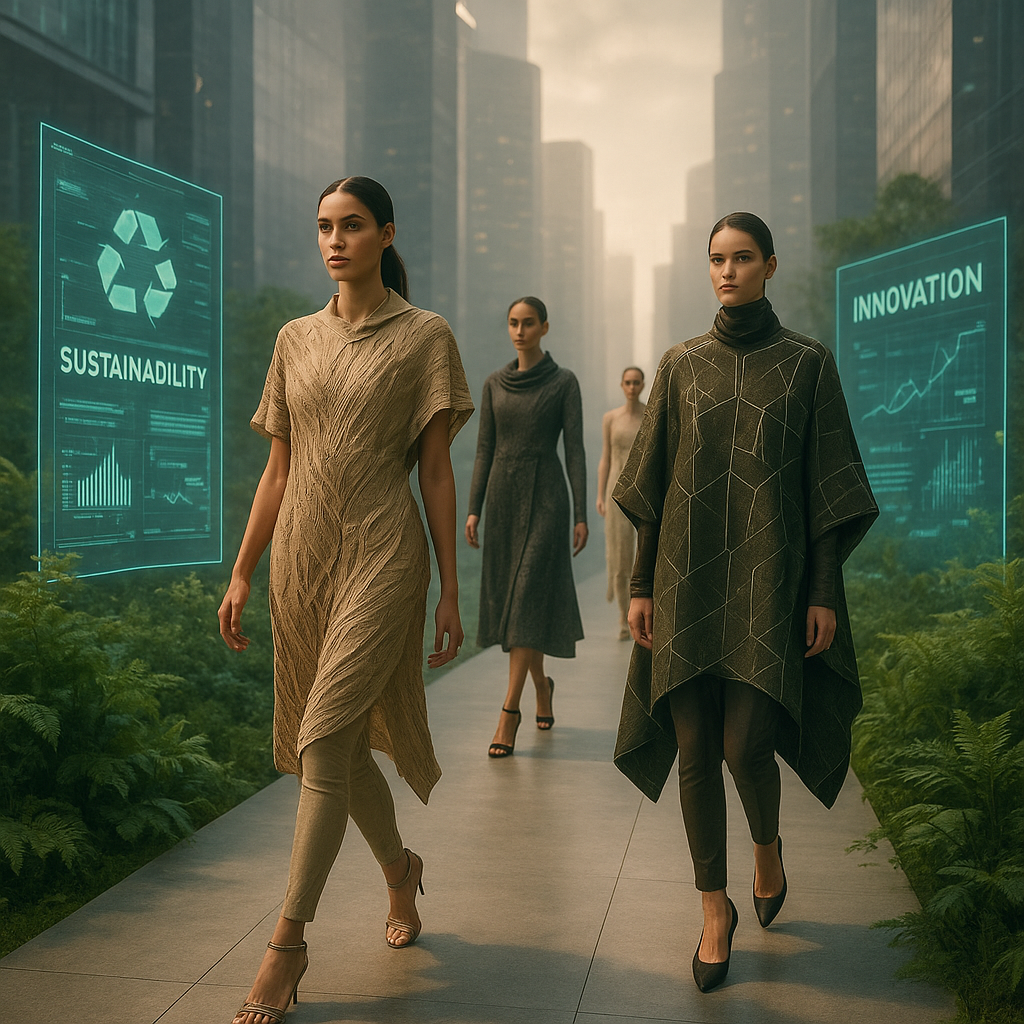
Springtime Rebellion: A New Wave in April 2026 Fashion
On a brisk April morning in Paris, the heart of global fashion, the streets tell a story far beyond haute couture. Models strut in augmented reality-enhanced clothing, while passersby sport biodegradable sneakers with embedded health sensors. This is not a glimpse into some distant future but the vivid reality of fashion in April 2026. The industry is undergoing a profound transformation driven by sustainability imperatives, technological innovation, and shifting consumer values.
April 2026 marks a pivotal chapter as designers, brands, and consumers collectively rethink style, functionality, and ethics. The traditional runways have given way to immersive digital showcases powered by AI-driven personalization engines. Meanwhile, materials once deemed unconventional—like algae-based fabrics and lab-grown leather—have moved from niche experiments to mainstream staples. This evolution reflects broader societal changes where environmental responsibility and digital integration are inseparable from aesthetic appeal.
“Fashion in 2026 is less about fleeting trends and more about meaningful choices that respect the planet and empower the individual,” says Irene LaMont, Chief Innovation Officer at EcoModa Group.
From Fast Fashion Fallout to Circular Renaissance: The Path Taken
To understand the present, it is crucial to revisit the past decade’s challenges and responses. The fast fashion model, which dominated the early 2020s, faced mounting criticism for its ecological damage and exploitative labor practices. According to industry estimates, textile waste reached over 120 million tons annually by 2023, with less than 15% recycled effectively. Public outcry and regulatory pressures catalyzed a shift toward circularity, transparency, and ethical sourcing.
Legislative frameworks globally accelerated this change. The European Union’s Circular Textiles Initiative, fully implemented by late 2025, mandated traceability for all garment materials and incentivized recycling infrastructure. Similarly, the U.S. introduced the Sustainable Apparel Act, requiring brands to disclose carbon footprints and social impact metrics. These policies reshaped supply chains and consumer expectations.
Simultaneously, technological breakthroughs enabled new production paradigms. 3D knitting and zero-waste patterning minimized fabric scraps, while blockchain platforms allowed consumers to verify product origins and lifecycle data instantly. Brands like Stella Nova and TerraWear became pioneers, showcasing how innovation and responsibility can coexist.
Data-Driven Shifts: The Metrics Behind April 2026’s Fashion Landscape
April 2026’s fashion market reflects these transformations quantitatively and qualitatively. Market analytics reveal that sustainable apparel now accounts for over 38% of global clothing sales, a dramatic rise from just 12% in 2020. Consumer surveys conducted by GlobalStyle Insights highlight that 72% of shoppers prefer brands with verified environmental credentials, and 65% value digital customization options.
Below are key data points illustrating this paradigm:
- Material Innovations: 45% of fabrics used in new collections are bioengineered or recycled, including mushroom leather, seaweed fiber, and recycled ocean plastics.
- Digital Integration: 58% of fashion retailers employ AI-driven recommendation systems, enhancing consumer engagement and reducing returns by 25%.
- Carbon Footprint Reduction: Industry-wide emissions declined by 19% between 2024 and 2026, according to the Sustainable Fashion Coalition’s annual report.
- Consumer Behavior: 40% of shoppers participate in clothing resale and rental platforms, signaling a shift away from ownership-centric consumption.
These figures underscore a fundamental reorientation where sustainability metrics and technology adoption are not optional add-ons but core business drivers. TheOmniBuzz’s analysis on privacy in hyperconnected markets also highlights how consumer data is responsibly harnessed to tailor fashion experiences without compromising ethical standards.
April 2026’s Breakthroughs: Tech-Enabled Couture and Eco-Conscious Practices
Recent months have seen remarkable developments that encapsulate April 2026’s fashion ethos. The Milan Fashion Week featured the debut of fully programmable garments, allowing wearers to change colors and patterns via smartphone apps. This dynamic apparel reduces the need for multiple outfits, directly cutting consumption.
Another standout innovation is the rise of AI-driven design studios. Brands now routinely employ generative algorithms to create unique patterns and optimize fabric usage. This reduces waste and accelerates the design cycle, enabling rapid responses to consumer preferences.
On the environmental front, a coalition of luxury brands launched the 10x10x10 initiative, aiming to reduce water usage in production by 90% within the next decade. Early adopters report water savings exceeding 50% by integrating closed-loop dyeing technologies and rainwater harvesting.
Moreover, wearable technology is seamlessly merging with fashion. Health-monitoring fabrics, solar-powered accessories, and adaptive temperature regulation are becoming commonplace, blending style with functionality. This convergence is reshaping consumer expectations and pushing brands to expand their innovation horizons.
“The future of fashion is not just what you wear, but how it interacts with and supports your lifestyle,” states Maya Chen, founder of the tech-fashion startup LuminaWear.
Expert Views and Industry Impacts: Voices Shaping the New Fashion Frontier
Industry leaders emphasize that collaboration across sectors is vital to sustaining momentum. Dr. Rajiv Patel, sustainability strategist at GreenThread Consulting, highlights the importance of integrating policy, technology, and consumer education.
“We’re witnessing a systemic shift where fashion is part of a broader ecosystem that includes energy, waste management, and digital infrastructure,” Patel explains. “Brands that embrace this holistic approach will thrive, while those clinging to outdated models will struggle.”
Investors are also recalibrating priorities. Venture capital inflows into sustainable fashion startups have tripled since 2023, with a particular focus on circular supply chains and AI-powered personalization platforms. This financial backing accelerates innovation and fosters industry resilience.
The retail sector is adapting by blending physical and digital experiences. Flagship stores now offer virtual try-ons, AI stylists, and in-store recycling kiosks. This hybrid model appeals to eco-conscious millennials and Gen Z consumers, who demand authenticity and convenience.
Furthermore, labor practices are improving as transparency tools expose supply chain abuses and reward ethical producers. The Fair Fashion Index, launched in early 2026, ranks brands on labor standards, influencing consumer choices and corporate reputations.
Looking Ahead: What April 2026 Teaches Us About Fashion’s Trajectory
April 2026 serves as a bellwether for fashion’s future, where sustainability and technology are not just trends but foundational principles. The ongoing integration of AI, biotechnology, and circular economy models promises an industry that is more resilient, inclusive, and aligned with global environmental goals.
Key future developments to watch include:
- Advanced Biofabrication: Scaling lab-grown materials beyond luxury to mass-market applications, decreasing reliance on animal and synthetic inputs.
- AI-Driven Personalization: Enhanced customization that reduces overproduction and improves consumer satisfaction through predictive analytics.
- Global Regulatory Harmonization: Unified standards for sustainability reporting, enabling clearer consumer guidance and corporate accountability.
- Blockchain Expansion: Broader use for end-to-end transparency, including real-time tracking of garment lifecycle and resale history.
- Consumer Engagement Innovations: Interactive platforms combining gamification and social impact to foster community around sustainable fashion.
Brands and consumers alike must remain adaptable to these rapid developments. As TheOmniBuzz previously discussed in our coverage of transformative gadgets in April 2026, the cross-pollination of industries is accelerating, demanding agility and foresight.
Ultimately, the fashion industry’s challenge and opportunity lie in harmonizing aesthetics with ethics and innovation. April 2026 is not the end of a journey but a milestone on the road toward a more conscious and creative future.
Real-World Examples: Brands Leading the Charge
Several companies exemplify the forward momentum defining April 2026. EarthForm Apparel, a startup specializing in algae-based textiles, recently secured a $50 million Series B round to expand its biodegradable fabric production. Their flagship line, launched in March 2026, features jackets that decompose within two years without harmful residues.
In the luxury sector, Maison Verdi’s spring collection integrated photoreactive dyes that shift hues under different lighting, designed using AI pattern generation to minimize waste. The collection received acclaim for combining artistry with sustainability, setting new industry benchmarks.
On the consumer engagement front, StyleLoop, a resale platform, introduced AI-powered virtual closets that help users manage wardrobes, suggest sustainable purchases, and facilitate peer-to-peer rentals. Their user base grew by 60% in the first quarter of 2026, reflecting rising demand for circular fashion solutions.
These case studies illustrate how innovation and responsibility are not mutually exclusive but mutually reinforcing forces shaping the fashion ecosystem in April 2026.