
Living with diabetes can change little things in your daily routine. You may start checking food labels more often, thinking twice before reaching for a sweet snack, or wondering why your blood sugar reading looks different from yesterday's. During this process, some people begin researching diabetes ayurvedic treatment because they are interested in traditional Indian approaches to health. Shri Chyawan Ayurved shares an interest in Ayurvedic wellness, and understanding how traditional practices fit alongside modern diabetes care can help people make safer, more informed decisions.
Understanding Diabetes Beyond Blood Sugar Readings
Diabetes is a long-term condition that affects how the body regulates glucose, commonly called blood sugar. Glucose supplies energy to the body's cells, while insulin helps move it from the bloodstream into those cells. If the body doesn't produce enough insulin or cannot use it properly, blood sugar levels can rise.
Type 1 diabetes occurs when the immune system attacks the insulin-producing cells in the pancreas. People with type 1 diabetes need insulin to survive. Type 2 diabetes involves insulin resistance and may also involve reduced insulin production over time. Both conditions require ongoing care, though their treatment plans can differ.
High blood sugar doesn't always cause obvious symptoms at first. Some people notice increased thirst, frequent urination, tiredness, or blurred vision. Others discover diabetes during a routine health check. Regular testing matters because untreated diabetes can affect the eyes, kidneys, nerves, heart, and blood vessels.
What Does Ayurveda Say About Diabetes Care?
Ayurveda is a traditional system of Indian medicine that considers food, daily habits, physical activity, and herbal preparations as parts of health care. In classical Ayurvedic texts, a condition called Prameha describes a group of urinary and metabolic disorders. Some of these descriptions are discussed in relation to diabetes today, although the traditional classification doesn't match modern medical diagnoses exactly.
Traditional diabetes care may involve dietary guidance, movement, daily routines, and plant-based preparations. The aim is often to support general well-being and encourage more consistent habits.
It's worth separating traditional practice from established medical evidence. Research into Ayurvedic approaches for diabetes is ongoing, and some studies of individual herbs have reported possible effects on blood glucose. The evidence is still limited, though, and findings don't establish that Ayurvedic treatment can cure diabetes or replace standard medical care.
For someone considering this route, the sensible starting point is a conversation with a qualified doctor and a properly trained Ayurvedic practitioner who understands the person's existing treatment.
Ayurvedic Herbs Commonly Discussed for Blood Sugar Support
A number of herbs appear in discussions about Ayurvedic medicine for diabetes. Their traditional uses are interesting, but the evidence and safety considerations differ from one plant to another.
Bitter gourd (karela) is a familiar ingredient in Indian kitchens. It has also been studied for possible effects on blood glucose. Research results remain mixed, and eating bitter gourd or taking an extract shouldn't be treated as a substitute for prescribed medication.
Fenugreek (methi) seeds contain fibre and other compounds that have been investigated for their possible effects on glucose regulation. Some people include methi in meals, but concentrated supplements can affect blood sugar and may cause digestive discomfort.
Gudmar (Gymnema sylvestre) has a history of use in traditional medicine and is often mentioned in herbal products intended for blood sugar support. There isn't enough strong evidence to establish that it reliably controls diabetes, and it may interact with glucose-lowering medicines.
Turmeric (haldi) is widely used in cooking and contains curcumin, a compound studied for its biological effects. Culinary use is different from taking a concentrated supplement, which can have side effects and may interact with certain medicines.
A natural ingredient isn't automatically harmless. Herbal products can vary in strength, purity, and formulation. If you're already taking insulin or tablets for diabetes, combining them with herbs without supervision may cause blood sugar to fall too low.
Food and Daily Habits Still Matter
No herbal capsule can make up for habits that consistently leave blood sugar poorly managed. Daily choices may seem ordinary, but they can influence how your body handles glucose.
Start with meals rather than strict food rules. A plate containing vegetables, a source of protein such as dal or beans, and a sensible portion of whole grains can help create a balanced meal. Fibre-rich foods may slow the absorption of carbohydrates and support digestive health.
You don't necessarily have to give up every food you enjoy. Portion sizes, how often you eat something, and the overall balance of your meals all matter. If you drink sweetened tea several times a day, for example, gradually reducing the added sugar may be more realistic than changing your entire diet overnight.
Movement is another useful part of diabetes care. Walking after a meal, cycling, swimming, or another activity you enjoy can support glucose management. Try to build a routine that fits your health and fitness level. People who have nerve problems, foot ulcers, heart disease, or other complications should ask their healthcare professional which activities are suitable.
Sleep deserves attention, too. Poor sleep and ongoing stress can affect appetite, energy, and blood sugar patterns. A regular sleep schedule and a few quiet minutes away from screens may help, even if life doesn't always allow a perfect routine.
Choosing Ayurvedic Diabetes Products Carefully
People researching Ayurvedic medicine for diabetes may come across tablets, capsules, powders, and herbal mixtures. Product labels can sound reassuring, but claims alone don't tell you whether a preparation is effective or safe.
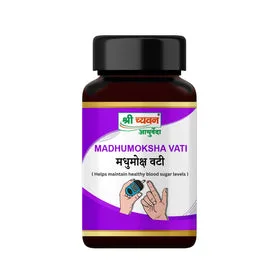
Shri Chyawan Ayurved is a name people may encounter while exploring Ayurvedic wellness products. Before choosing any diabetes-related preparation, read the full ingredient list and check the manufacturer's details, recommended use, and safety information. Ask a qualified healthcare professional whether the ingredients could interact with your current medicines.
Be particularly cautious of products claiming to cure diabetes permanently, remove the need for insulin, or bring blood sugar down immediately. These claims should raise questions, not confidence. If a product's ingredients or quantities aren't clearly listed, it's wise to avoid taking a chance.
Keep a record of your blood glucose readings, medicines, supplements, meals, and any symptoms you notice. Sharing this information with your doctor can make it easier to identify patterns and review your treatment plan.
Can Ayurveda Replace Conventional Diabetes Treatment?
No. Ayurveda should not replace prescribed diabetes treatment, and it shouldn't delay medical assessment. People with type 1 diabetes need insulin, while those with type 2 diabetes may need lifestyle changes, tablets, injectable medicines, insulin, or a combination based on their individual needs.
Never stop or reduce prescribed medication because you have started an herbal product. A sudden change can lead to dangerously high blood sugar. If your readings are frequently outside your target range, contact your healthcare professional rather than trying to correct them with supplements alone.
Symptoms such as vomiting, abdominal pain, rapid or difficult breathing, confusion, or severe weakness alongside high blood sugar need urgent medical attention. Shaking, sweating, dizziness, or confusion may also indicate low blood sugar, especially in people using insulin or certain diabetes medicines.
Traditional practices may have a place in someone's wider wellness routine, provided they are discussed openly with the healthcare team. Good diabetes care isn't about choosing between tradition and modern medicine. It's about knowing what each approach can and cannot do.
A few steady habits, regular medical reviews, and honest conversations about any supplements you're considering can go a long way. And if you're curious about Ayurveda, ask questions before starting something new. Your health is worth that extra bit of care.