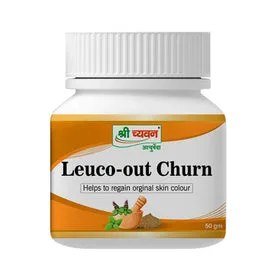
Leucoderma is a skin condition that can change the way a person feels about their appearance. Those white patches, sometimes small and sometimes spreading across larger areas, can bring a lot of questions. Why did they appear? Will they spread? Is there something that can help? People often explore different options, including leucoderma ayurvedic treatment, hoping to find a gentle way to care for their skin. At Shri Chyawan Ayurved, we believe that understanding the condition and following sensible skin care habits are important starting points.
Understanding Leucoderma and Its Effect on the Skin
Leucoderma is commonly used to describe white patches that develop when areas of the skin lose their natural pigment. Vitiligo is one of the most common conditions associated with this appearance. It happens when melanocytes, the cells responsible for producing melanin, stop functioning or are destroyed.
Melanin gives skin its colour. When these pigment-producing cells are affected, lighter patches may appear on the face, hands, arms, legs and other parts of the body.
The exact cause is not always clear. Vitiligo is often linked to an autoimmune response, where the body's immune system mistakenly attacks its own pigment-producing cells. Family history and certain other factors may also play a role.
One thing people should remember is that leucoderma is not contagious. It does not spread through touching, sharing food or sitting close to someone. Yet, the social discomfort associated with visible patches can sometimes be harder to deal with than the physical condition itself.
Natural Skin Care Habits That Make a Difference
A regular skin care routine may sound like a small thing, but it can help protect sensitive areas and keep the skin comfortable.
People with leucoderma may find that their lighter patches are more vulnerable to sunburn because they have less protective melanin. Spending long hours outdoors without protection can cause redness, irritation and discomfort.
A few everyday habits can help:
- Apply a broad-spectrum sunscreen with SPF 30 or higher to exposed skin.
- Wear comfortable clothing that covers sensitive areas during strong sunlight.
- Avoid prolonged exposure to direct midday sunlight.
- Use mild cleansers instead of products that leave the skin feeling dry.
- Apply a gentle moisturiser if the skin feels rough or irritated.
Sun protection deserves extra attention. Some people try to expose white patches to sunlight because they believe tanning will bring back the original skin colour. Unfortunately, excessive exposure can cause burns and make the contrast between affected and unaffected skin more noticeable.
Exploring Leucoderma Ayurvedic Treatment
Ayurveda has a long history of traditional skin care practices. In Ayurvedic literature, conditions involving changes in skin pigmentation are discussed under the broader term Shwitra. Traditional approaches may include dietary suggestions, herbal preparations and daily lifestyle practices.
Many people interested in leucoderma ayurvedic treatment want to understand whether traditional remedies can support their skin care routine. It is a reasonable question, especially for those who prefer exploring different forms of care.
Ayurvedic preparations may contain different herbs and plant-based ingredients. Their suitability depends on the formulation, the person's health and the advice of a qualified practitioner. Not every herbal product is appropriate for every individual.
It is also important to be realistic. Scientific evidence supporting Ayurveda as a treatment that restores pigmentation in vitiligo is limited. Natural ingredients should not automatically be considered safe simply because they come from plants.
At Shri Chyawan Ayurved, learning about traditional Ayurvedic practices can be part of a wider discussion about skin wellness. People should speak with a qualified Ayurvedic practitioner and a dermatologist before starting herbal preparations, especially if they are already using prescribed medicines.
Nutrition and Skin Health: What Should You Eat?
Food cannot cure leucoderma, and there is no scientifically established leucoderma diet that works for everyone. Still, eating a balanced diet supports general health and provides nutrients needed for normal skin function.
A few food groups worth including in everyday meals are:
Fresh fruits and vegetables: Seasonal fruits, carrots, spinach, tomatoes and other colourful vegetables provide vitamins and antioxidants.
Protein-rich foods: Dal, beans, lentils, eggs, paneer and nuts help provide protein needed for normal tissue maintenance.
Whole grains: Oats, brown rice and whole wheat provide fibre and support a balanced eating pattern.
Nuts and seeds: Almonds, walnuts, pumpkin seeds and flaxseeds offer healthy fats and useful nutrients.
Some people hear that avoiding particular foods, such as citrus fruits, sour foods or dairy products, can prevent leucoderma from spreading. There is no reliable scientific evidence supporting these restrictions for everyone with vitiligo.
Unless a doctor identifies an allergy or another reason, unnecessarily removing entire food groups may make the diet less balanced. Eating well is helpful, but it should not be confused with a pigmentation treatment.
Lifestyle, Sleep and Stress Management
Skin health is connected to general well-being. Sleep, physical activity and stress management may not directly restore lost pigmentation, but they can support a healthier daily routine.
Stress is something many people overlook. Imagine dealing with work pressure, family responsibilities and then worrying about visible skin patches every time you look in the mirror. It can become exhausting.
Try making a few small changes:
- Get around seven to nine hours of sleep each night.
- Include walking, yoga or light exercise in your daily routine.
- Take short breaks during stressful days.
- Spend time doing activities that help you feel relaxed.
- Avoid smoking and maintain healthy everyday habits.
Yoga and breathing exercises can be particularly helpful for relaxation. You don't need an elaborate routine. Even ten minutes of quiet breathing in the morning can make the day feel a little less rushed.
Why Professional Medical Guidance Matters
Not every white patch on the skin is leucoderma. Fungal infections, eczema and other skin conditions can sometimes cause lighter areas that look similar. Getting a proper diagnosis from a dermatologist is a sensible first step.
Depending on the type and extent of vitiligo, medical treatment may include prescription creams, phototherapy or other dermatological procedures. Treatment can help some people regain skin colour or manage the spread of patches, although results vary.
People exploring natural remedies should discuss them with their doctor before applying anything to affected skin or taking herbal supplements. Some ingredients may cause irritation or interact with prescribed medicines. Lemon juice, strong herbal pastes and untested mixtures can also irritate sensitive skin.
The NHS advises that evidence supporting complementary therapies for vitiligo remains limited
Taking a Positive Approach to Everyday Skin Health
Living with leucoderma is not always easy. Some days, the patches may not bother you much. On other days, an unexpected question or comment from someone can affect your confidence. Those feelings are real, and people should not feel pressured to hide them.
Learning about the condition, following suitable skin care habits and speaking with experienced healthcare professionals can make the journey less confusing.
At Shri Chyawan Ayurved, we encourage people to learn about traditional Ayurvedic skin care while staying informed about modern medical guidance. Natural approaches can be explored thoughtfully, but they should never replace a proper diagnosis or proven medical care.
Your skin does not define your personality, your abilities or your worth. Give yourself time, look after your health and don't hesitate to ask for help when you need it. Sometimes, taking care of yourself starts with something as simple as being a little kinder to yourself.