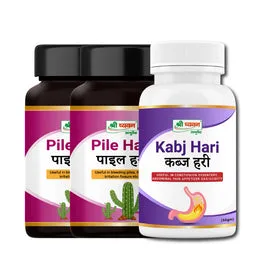
Piles can make even ordinary daily activities uncomfortable. Sitting for long hours, going to the toilet or simply getting through a busy workday may become frustrating when there is pain, itching or bleeding. Many people start searching for natural options and come across piles ayurvedic medicine while exploring different ways to manage their symptoms. At Shri Chyawan Ayurved, we believe that understanding the ingredients, safety, possible benefits and medical advice behind any treatment is just as important as choosing the product itself.
Understanding Piles Before Starting Any Treatment
Piles, medically known as haemorrhoids, are swollen veins around the anus or inside the lower rectum. They are quite common, although people don't always feel comfortable talking about them.
Some people experience itching or mild irritation. Others notice a small amount of bright red blood after passing stool. External piles may cause tender lumps around the anal opening, while internal piles can sometimes bleed without causing much pain.
Constipation, straining during bowel movements, spending too long on the toilet and a low-fibre diet are common factors associated with piles.
NIDDK+1
Before buying any medicine, take a moment to understand your symptoms. Bleeding does not always mean piles. Anal fissures, inflammatory bowel conditions and other digestive problems can cause similar symptoms. A proper diagnosis can save you from taking the wrong treatment.
Check the Ingredients of Ayurvedic Piles Medicine
One of the first things worth checking is the ingredient list. Ayurvedic formulations can contain different herbs, plant extracts and, in some cases, mineral ingredients.
You may come across traditional ingredients such as Haritaki, Triphala, Nagkesar and other herbal components in products marketed for digestive or piles-related concerns. Their purpose and suitability depend on the formulation. It would be unwise to assume that every product containing these ingredients works in the same way.
Read the product label carefully. Look for:
- A complete list of ingredients.
- Clear manufacturer information.
- Manufacturing and expiry dates.
- Recommended dosage and usage instructions.
- Storage directions and relevant safety warnings.
Don't feel awkward about asking questions. If an ingredient is unfamiliar, ask the manufacturer or a qualified Ayurvedic practitioner to explain it.
Another thing to remember is that natural does not automatically mean harmless. Some Ayurvedic preparations may contain metals such as lead, mercury or arsenic, which can be harmful if present at unsafe levels.
NCCIH+1
Speak to a Qualified Practitioner Before Taking Medicine
It is tempting to order a product after reading a few positive reviews online. Someone says their symptoms improved, another person recommends a particular tablet, and suddenly the decision seems easy.
But health doesn't work quite like that.
The right treatment depends on the type of piles, the severity of symptoms, your medical history and any other medicines you take. A qualified Ayurvedic practitioner can discuss whether a particular formulation is appropriate. A doctor or gastroenterologist can also assess the condition and identify whether another treatment is needed.
This is particularly relevant if you have diabetes, kidney or liver problems, are pregnant or breastfeeding, or regularly take prescription medicines.
If you are already taking treatment for piles, don't stop it or change the dose just because you want to try an Ayurvedic option. Tell both healthcare professionals about everything you are taking. Some preparations may interact with medicines.
Understand the Difference Between Internal and External Piles
Not all piles are the same. Understanding the difference can help you have a more useful conversation with your healthcare provider.
Internal piles: These develop inside the rectum. They often cause painless bleeding during bowel movements. In some cases, the swollen tissue may protrude through the anal opening.
External piles: These develop under the skin around the anus. They can cause itching, swelling, tenderness and discomfort, particularly while sitting.
There is also a condition called thrombosed external haemorrhoids, where a blood clot develops inside an external pile. It can cause sudden, intense pain and needs medical assessment.
A piles tablet, herbal preparation or topical product may not be suitable for every type or stage of the condition. Some people need procedures such as rubber band ligation or other medical treatment.
American Gastroenterological Association+1
Pay Attention to Dosage and Possible Side Effects
Dosage is another detail people sometimes overlook. Two Ayurvedic products may have completely different ingredients and strengths, even if both are sold for piles care.
Never assume that taking more medicine will produce faster relief. Follow the instructions provided by the qualified practitioner and the product label. Avoid combining several piles medicines without checking whether their ingredients overlap.
Watch for unusual reactions after starting a new preparation. These may include:
- Stomach discomfort or bloating.
- Loose stools or diarrhoea.
- Nausea or vomiting.
- Skin irritation or allergic reactions.
- Changes in bowel habits.
Stop using a product and seek medical advice if you experience a concerning reaction. Keep the packaging available so your healthcare provider can check its ingredients.
It is also sensible to check whether the product has appropriate quality testing and manufacturing details. A product with unclear labelling or exaggerated promises deserves caution. Claims such as permanent piles cure or guaranteed relief within a few days should not replace proper medical advice.
Don't Ignore Diet and Everyday Habits
Medicine is only one part of piles care. Daily habits matter quite a bit, particularly if constipation is making symptoms worse.
Think about a typical day. Perhaps breakfast is rushed, lunch happens late, water intake is low and most of the evening is spent sitting. Over time, these habits may contribute to harder stools and straining.
A few practical changes can help:
Eat more fibre: Include vegetables, fruits, oats, whole grains, beans and lentils in your meals. Fibre helps make stools softer and easier to pass.
Drink enough water: Adequate fluid intake supports normal bowel movements. Your individual needs may vary depending on your health and activity level.
Avoid straining: Don't force bowel movements. If you feel the urge, try not to postpone it.
Spend less time on the toilet: Scrolling through your phone while sitting on the toilet can make you stay longer than necessary. It's a surprisingly common habit!
Stay physically active: Walking and other suitable physical activities can support regular bowel movements.
Warm sitz baths may also help soothe itching and discomfort. Dietary fibre, fluids and avoiding prolonged toilet sitting are widely recommended as initial measures for symptomatic piles.
NIDDK+2
Know When Home Care Is Not Enough
There is a difference between mild discomfort and symptoms that need medical attention.
If you notice rectal bleeding, arrange a medical assessment rather than assuming piles are responsible. Persistent symptoms, recurring bleeding, worsening pain or a lump that does not improve should also be checked.
Seek urgent medical attention if you experience heavy or continuous bleeding, large blood clots, severe anal pain, fever or significant abdominal discomfort.
Some people feel embarrassed discussing these symptoms. Understandable, really. But doctors deal with digestive and rectal conditions regularly. There is no reason to delay an appointment because the subject feels uncomfortable.
Choosing Ayurvedic Medicine With Care
People exploring piles ayurvedic medicine should look beyond attractive packaging and online testimonials. Check the formulation, understand its intended use and ask about possible side effects before starting.
At Shri Chyawan Ayurved, we encourage readers to approach traditional Ayurvedic products with informed expectations. Ayurvedic care may be discussed as part of an individual's wider health plan, but scientific evidence for many specific herbal piles formulations remains limited. It should not replace necessary diagnosis or established medical treatment.
Give your body attention, make sensible changes to your eating habits and seek professional guidance if symptoms continue. Piles are common, and there are several ways to manage them. You don't have to put up with discomfort quietly or rush into buying the first medicine you find.
A little research and a proper medical conversation can make your next decision much clearer.