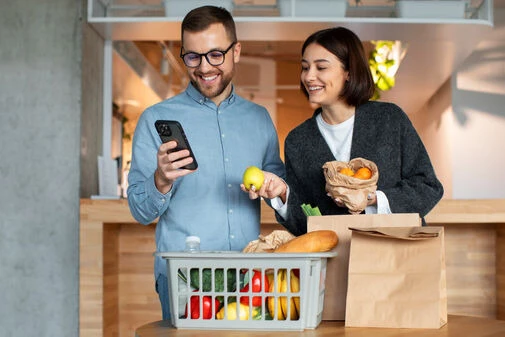
The online grocery industry is evolving faster than ever, driven by shifting consumer expectations, urban lifestyles, and the demand for convenience. Many businesses today rely on a grocery delivery app development company to build scalable, feature-rich apps that help them compete in a market where speed, reliability, and customer experience matter the most. If you are planning to enter this industry or want to upgrade your existing grocery platform, understanding how grocery app development works is essential.
This guide breaks down the process, costs, features, trends, and technologies that shape modern grocery apps—so you can make informed decisions and build a solution that succeeds long-term.
Why Grocery Apps Are Growing So Fast
The grocery market has always been stable, but digital transformation has changed everything:
1. Convenience Is Now a Priority
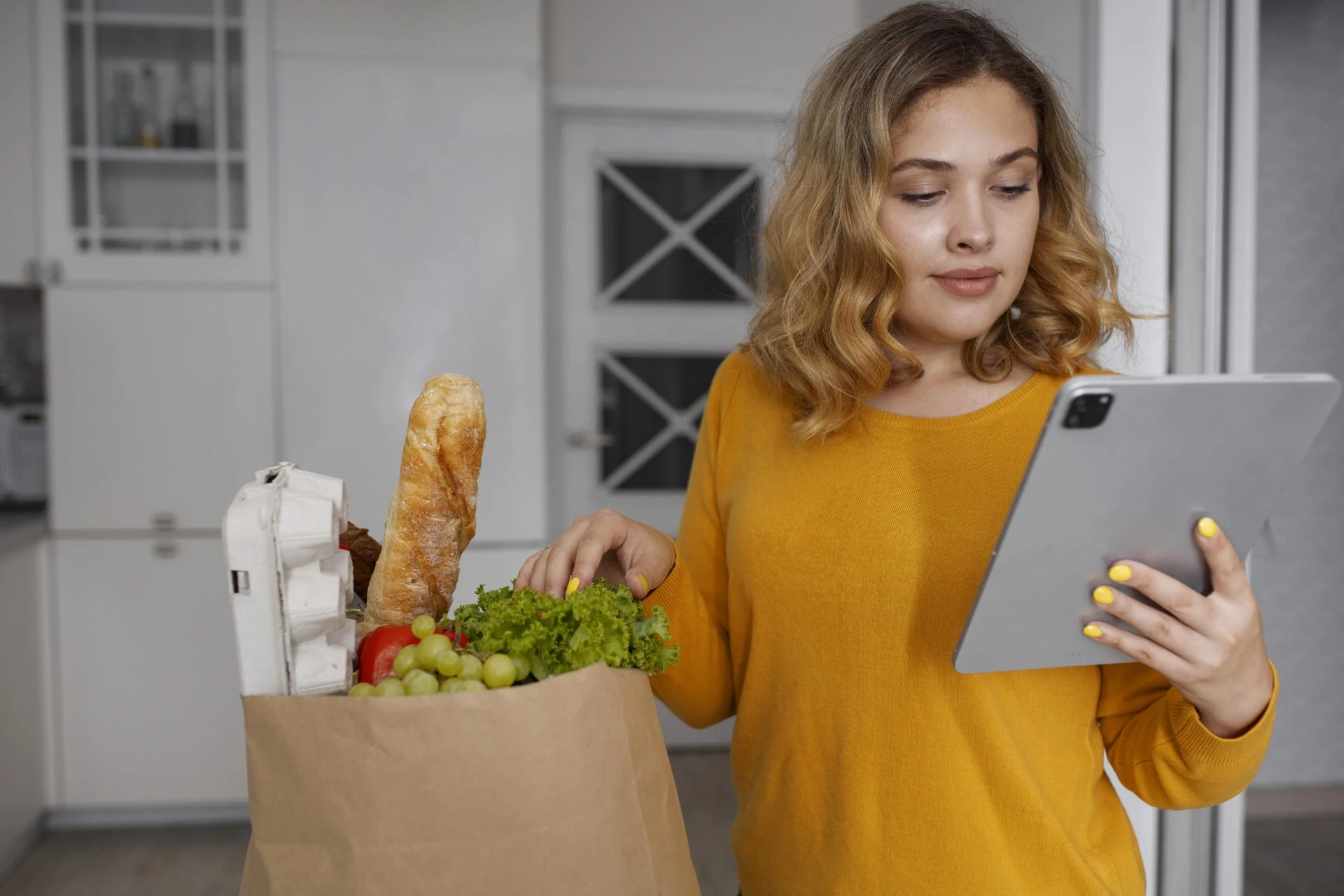
Consumers want everyday essentials delivered straight to their door. No long queues. No last-minute store runs. With time becoming the most valuable asset, grocery apps help people manage their routine more efficiently.
2. Busy Lifestyles and Urbanization
More people now live in cities, work longer hours, and have unpredictable schedules. Grocery apps allow them to shop on the go—during a break, while commuting, or late at night.
3. Wider Product Choices
Online stores are not limited by shelf space. Users can compare thousands of products, check reviews, and pick exactly what they want.
4. Digital Payments Becoming Mainstream
UPI, e-wallets, credit cards, and one-tap payments encourage consumers to shop online more frequently, boosting the grocery app market.
5. Personalized Shopping Experience
Modern apps collect user behavior data to offer personalized deals, timely reminders, and smart suggestions, which encourages repeat purchases.
Types of Grocery Apps to Consider
Before development begins, you must understand what type of grocery model fits your business:
1. Single Store Grocery App
Best for an independent grocery store wanting to digitize operations. You manage inventory, delivery, and pricing.
2. Grocery Marketplace App
You connect multiple stores under one platform. Customers can shop from various vendors, similar to Instacart or BigBasket.
3. Grocery Delivery Aggregator
You list stores and handle delivery logistics, while the stores manage the inventory.
4. Hyperlocal Grocery App
Products are delivered within a very short radius—usually under 5 km—for fast delivery.
5. Subscription-Based Grocery App
Users subscribe for daily essentials like milk, bread, and fresh produce. Examples include daily delivery apps popular in metro cities.
Choosing the right model depends on your business goals, investment capacity, operational strength, and competition in your region.
Must-Have Features for a Successful Grocery App
Grocery apps succeed when they are fast, easy to use, and reliable. Here are the essential features every app should include:
Customer App Features
1. Easy Registration & Login
Allow signup via phone number, email, or social accounts to simplify onboarding.
2. Smart Search Filters
Users must be able to find products quickly through categories, tags, price filters, and suggestions.
3. Real-Time Inventory Display
Show whether products are in stock, running low, or out of stock to avoid customer dissatisfaction.
4. Multiple Payment Methods
Include UPI, cards, COD, wallets, and subscription payments.
5. Quick Reorder
A feature that lets users repeat previous orders in one tap.
6. Live Order Tracking
GPS tracking helps customers follow their delivery partner in real time.
7. Offers & Loyalty Points
Encourage users to return through discounts, reward points, and membership perks.
Store/Admin Panel Features
1. Product & Inventory Management
Store owners should easily add/edit products, update stock, and manage pricing.
2. Order Management Dashboard
A clean dashboard to manage confirmed, cancelled, pending, and delivered orders.
3. Analytics & Reports
Insights into product demand, peak order timings, customer behaviour, and revenue.
4. Delivery Management
Assign delivery partners automatically or manually.
5. Customer Support Tools
Live chat, ticketing, or chatbot integration.
Delivery Partner App Features
1. Route Optimization
Ensures faster deliveries with minimum travel distance.
2. Earnings Dashboard
Shows earnings, trip details, incentives, and performance.
3. In-App Chat
Allows delivery partners to communicate safely with customers or stores.
4. Availability Toggle
Delivery agents can switch between online and offline mode.
Advanced Features That Make Your App Stand Out
To compete with industry leaders, consider adding:
1. Voice Search
More users now prefer speaking instead of typing.
2. AI-Based Recommendations
Smart suggestions improve user experience and increase order value.
3. Subscription Packs
Weekly / monthly subscription boxes for essentials.
4. In-App Wallet
Makes refunds and cashback seamless.
5. Barcode Scanning
Useful for quick product entry on the store side or in-store customer experience.
6. Multi-Language Support
Crucial for regional markets.
7. Dark Mode
Improves usability and modernizes the interface.
The Grocery App Development Process (Step by Step)
Here’s how development typically works:
1. Market Research & Planning
Understand user needs, competitors, and business model. This stage sets a strong foundation.
2. UI/UX Design
Clean, minimal design is key. Grocery apps should feel simple and intuitive for all age groups.
3. App Development
This phase includes:
- Frontend development
- Backend development
- API integration
- Database setup
- Payment gateway integration
4. Testing & Quality Assurance
Developers must test the app for performance, security, bugs, and usability.
5. App Launch
The app is deployed on Android and iOS stores.
6. Post-Launch Support
This includes updates, maintenance, feature improvements, and performance monitoring.
Tech Stack for Grocery App Development
A reliable tech stack ensures performance and scalability.
Frontend Technologies
- Flutter
- React Native
- Kotlin
- Swift
Backend Technologies
- Node.js
- Laravel
- Django
- Java
Database
- MongoDB
- MySQL
- PostgreSQL
Cloud & Hosting
- AWS
- Google Cloud
- Azure
Integrations
- Google Maps
- Firebase
- Razorpay / Stripe
- Twilio / SMS Gateways
How Much Does Grocery App Development Cost?
The cost depends on features, complexity, region, and development team expertise.
Estimated Costs:
- Basic grocery app: $10,000 – $20,000
- Mid-level app: $20,000 – $40,000
- Advanced multi-store marketplace: $50,000 – $100,000+
Additional expenses:
- App maintenance
- Hosting & cloud services
- Third-party APIs
- Marketing & promotions
Latest Trends in Grocery App Development
1. Dark Stores
These are small fulfillment centers optimized for fast delivery.
2. 15-Minute Delivery
Quick commerce is rising quickly in metro cities.
3. AI Demand Forecasting
Predicts stock shortages to reduce waste and improve supply chain planning.
4. Green & Sustainable Deliveries
Eco-friendly packaging and electric delivery vehicles are becoming popular.
5. Drone Deliveries (Future Trend)
Companies are experimenting with drones to improve speed and reduce delivery costs.
Challenges You Should Prepare For
1. Managing Inventory
Stock changes quickly in grocery businesses.
2. Delivery Logistics
Route optimization, traffic issues, and delays must be managed smartly.
3. Maintaining Profit Margins
Grocery has low margins, so efficient operations are crucial.
4. Customer Retention
The market is competitive—loyalty programs help reduce churn.
Conclusion
Building a successful grocery app requires the right planning, technology, and understanding of user needs. From choosing a business model to integrating modern features, every step plays a big role in shaping your success. And if you're planning to scale quickly, partnering with an experienced app development company in USA can help you launch a more stable, secure, and user-friendly grocery application that stands out in today’s fast-moving digital market.
1. How long does it take to develop a grocery app?
Ans: Most grocery apps take 3 to 6 months, depending on features and complexity.
2. Can I start with a basic app and upgrade later?
Ans: Yes. Many businesses launch an MVP first, then add features based on user feedback.
3. Do grocery apps need separate apps for customers and delivery agents?
Ans: Yes, having separate apps improves performance and user experience.
4. What is the most important feature in a grocery app?
Ans: Real-time tracking, simple UI, secure payments, and accurate inventory are crucial.
5. How can I make my grocery app stand out?
Ans: Offer fast delivery, personalized recommendations, loyalty programs, and a user-friendly interface.