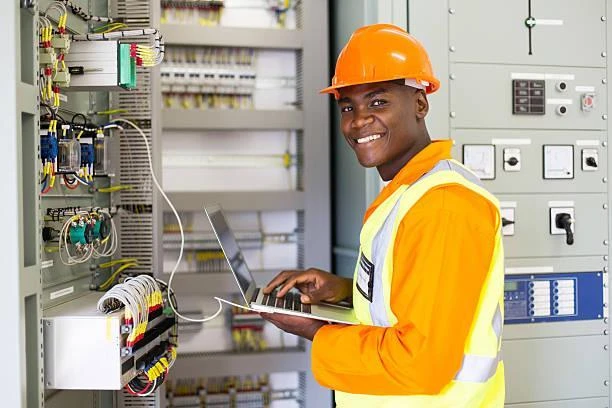
Electrical wiring is one of the most important parts of building a new home. Proper wiring ensures safety, efficiency, and smooth operation of all electrical appliances. A good electrical system powers your home and keeps your family safe. It protects against hazards like short circuits, overloads, and fire risks. This guide covers all you need to know about installing electrical wiring in new homes.
Visit: Electrician Dubai
Importance of Proper Electrical Wiring
Electrical wiring acts as the backbone of your home’s power system. Bad wiring can cause power failures, damage equipment, and create safety hazards. Proper installation provides:
- Safe electricity distribution
- Energy efficiency
- Long-lasting electrical systems
- Protection against electrical accidents
- Future upgrade flexibility
Hiring professional electricians and following safety standards is essential during installation.
Planning Electrical Wiring for a New Home
Before installation begins, proper planning is required. Electrical layout planning helps avoid future modifications and additional expenses.
1. Create an Electrical Layout Plan
An electrical plan should include:
- Switchboard locations
- Power outlets placement
- Lighting points
- Appliance connections
- Internet and TV wiring
- Outdoor lighting systems
Planning ensures convenience and balanced electricity usage throughout the house.
2. Calculate Power Requirements
Different appliances require different power loads. Calculate total electrical demand based on:
- Air conditioners
- Refrigerators
- Washing machines
- Kitchen appliances
- Water heaters
- Smart home devices
This helps in selecting the correct wiring size and circuit breakers.
Types of Electrical Wiring Used in Homes
1. Concealed Wiring
Concealed wiring is installed inside walls and ceilings. It is the most common modern wiring system because:
- It looks clean and aesthetic
- Offers better safety
- Requires less maintenance
2. Surface Wiring
Surface wiring is installed outside walls using conduits or casing. It is easier to repair but less attractive visually.
3. Conduit Wiring
This method uses PVC or metal pipes to protect wires from moisture, heat, and physical damage.
Essential Components of Electrical Wiring
Electrical Wires and Cables
High-quality copper wires are recommended for durability and efficient conductivity.
Distribution Board (DB)
The distribution board controls electricity supply to different areas of the house.
Circuit Breakers
MCBs and RCCBs protect against overload and electric shock.
Switches and Sockets
Proper placement ensures ease of use and safety.
Earthing System
Earthing prevents electric shock by safely directing excess current into the ground.
Step-by-Step Electrical Wiring Installation Process
Step 1: Marking Electrical Points
Electricians mark locations for switches, sockets, lighting, and appliances according to the layout plan.
Step 2: Conduit Pipe Installation
PVC conduits are installed inside walls before plastering to protect wiring.
Step 3: Pulling Electrical Wires
Wires are carefully pulled through conduits without damaging insulation.
Step 4: Distribution Board Setup
Main power supply and circuit breakers are installed and connected.
Step 5: Switch & Socket Installation
Switchboards, outlets, and fixtures are installed after wall finishing.
Step 6: Testing and Inspection
Electricians test voltage, load balance, grounding, and safety before final activation.
Safety Tips for Home Electrical Wiring
- Always hire certified electricians
- Use fire-resistant wires
- Install proper earthing
- Avoid overloading circuits
- Use separate circuits for heavy appliances
- Install surge protection devices
- Follow local electrical safety standards
Safety should always be the top priority.
Energy-Efficient Wiring Tips
Modern homes focus on energy savings. Consider:
- LED lighting systems
- Smart switches and automation
- Energy-efficient circuit planning
- Solar power integration readiness
Efficient wiring reduces electricity bills and environmental impact.
Common Mistakes to Avoid
- Poor load calculation
- Using low-quality wires
- Insufficient power outlets
- Improper earthing
- DIY electrical installation
- Ignoring future expansion needs
Avoiding these mistakes saves repair costs later.
Future-Proofing Your Home Wiring
Technology is evolving rapidly. Plan wiring that supports:
- Smart home automation
- CCTV systems
- EV charging points
- High-speed internet cables
- Home office setups
Future-ready wiring increases property value and convenience.
Conclusion
Electrical wiring installation is a critical stage in building a new home. Proper planning, quality materials, and professional installation ensure safety, efficiency, and long-term reliability. Investing in a well-designed electrical system today prevents costly repairs and safety risks in the future. Rely on skilled electricians. Always follow approved electrical standards. This keeps your home safe and modern.