Charging Ahead: The Electric Vehicle Revolution and Its Hidden Challenge
In the bustling streets of Los Angeles, a striking transformation is underway. On any given day in 2026, the hum of internal combustion engines is increasingly replaced by the quiet whirr of electric motors. This shift is not just a trend but a profound societal pivot. According to the International Energy Agency, electric vehicle (EV) sales globally surpassed 15 million units in 2025, representing nearly 25% of all new car sales—a record-breaking surge compared to just 3 million in 2020.
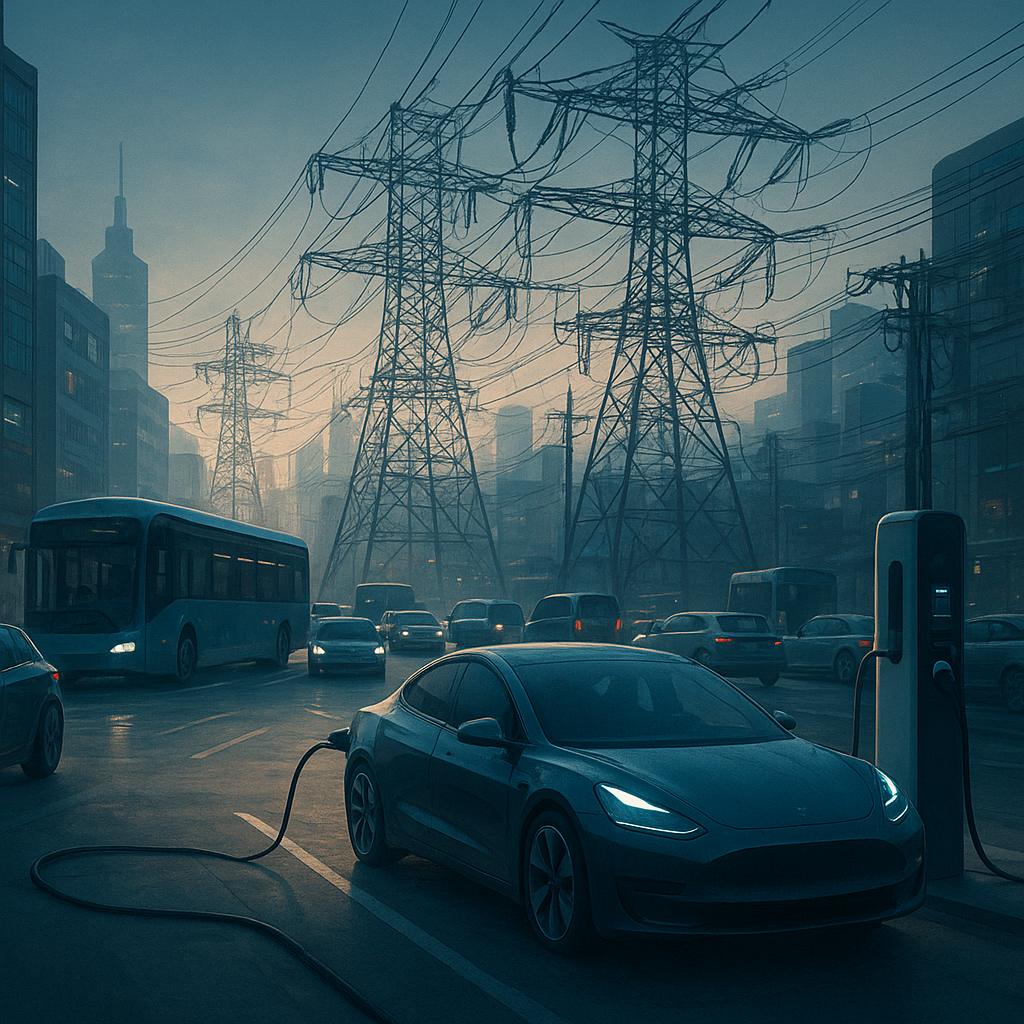
Behind this surge lies a complex web of factors: governments’ aggressive climate policies, advances in battery technology, and the public’s growing environmental consciousness. Yet, as cities swell with electric cars, a critical bottleneck has emerged—not on the roads but within the electrical infrastructure that powers these vehicles. The grid, in many regions, is straining under the unprecedented demand for EV charging, revealing vulnerabilities that could stall the green revolution.
"The rapid adoption of electric vehicles is a testament to global commitment to sustainability, but it exposes the urgent need for grid modernization," says Dr. Elena Martinez, a leading energy systems expert.
Tracing the Electric Vehicle Trajectory: From Niche to Necessity
The journey toward widespread EV adoption is rooted in decades of innovation and policy shifts. Early electric cars in the late 19th and early 20th centuries were eclipsed by gasoline vehicles due to range and cost limitations. The oil crises of the 1970s reignited interest in alternatives, but only in the 21st century did technological breakthroughs and environmental urgency converge to propel EVs forward.
Government incentives played a pivotal role. The US, European Union, and China introduced tax credits, subsidies, and strict emissions targets. For instance, in 2022, the EU mandated that new cars emit no more than 59 grams of CO2 per kilometer, effectively pushing manufacturers toward electrification. Simultaneously, battery costs plummeted from over $1,200 per kWh in 2010 to below $100 per kWh by 2025, enabling affordable models.
These shifts brought major automotive players into the fray. Tesla’s Model 3 ignited mainstream interest, while traditional giants like Volkswagen, Toyota, and Hyundai expanded their EV portfolios aggressively. Newcomers specializing in electric drivetrains also entered the market, intensifying competition and innovation.
Industry analyst Mark Chen notes, "The EV revolution is not a future prospect anymore; it’s the present reality shaping global transportation."
Infrastructure Bottlenecks: The Grid Struggle to Keep Pace
The surge of electric vehicles has exposed a critical challenge: the existing electrical grids were not designed for the scale and pattern of EV charging demand. Unlike gasoline, which relies on a distributed network of fuel stations with rapid refueling, electricity depends on centralized generation and transmission systems that face localized stress when clusters of EVs charge simultaneously.
Studies from the National Renewable Energy Laboratory in 2025 revealed that peak charging periods, especially in residential areas during evening hours, can increase local electricity demands by up to 40%. This surge risks overloading transformers and distribution lines, potentially causing outages or forcing utilities to invest heavily in upgrades.
Moreover, the uneven distribution of charging infrastructure exacerbates the problem. Urban centers with dense populations have more public chargers, while rural and underserved areas lag, leading to disparities in EV adoption and practical usability.
Key challenges include:
- Grid Capacity Limits: Existing infrastructure insufficient for concentrated high-power charging.
- Load Balancing: Peak demand spikes during evening hours when renewable energy output may be low.
- Integration of Renewable Energy: Aligning intermittent solar and wind generation with EV charging needs.
- Equity and Access: Ensuring charging availability across diverse socio-economic and geographic areas.
Current Developments in 2026: Innovations and Policy Responses
The year 2026 marks a pivotal phase where governments, utilities, and private sectors are intensifying efforts to address grid challenges while capitalizing on EV growth. The US Department of Energy recently allocated $5 billion in grants toward grid modernization projects focused on EV charging integration.
Smart charging technologies have gained traction, allowing vehicles to charge during off-peak hours automatically or when renewable energy is abundant. Vehicle-to-grid (V2G) systems, which enable EVs to feed electricity back into the grid, are being piloted in several cities, including Amsterdam and San Francisco, helping stabilize demand and supply.
In parallel, automakers are collaborating with energy companies to develop ultra-fast charging stations that reduce charging times to under 10 minutes. However, these high-power chargers require substantial grid upgrades, prompting multi-stakeholder partnerships to fund infrastructure expansion.
On the regulatory front, cities like Oslo and Shenzhen have enacted mandates requiring new residential and commercial buildings to include EV-ready electrical wiring and charging facilities. Additionally, carbon pricing mechanisms and stricter emissions standards continue to incentivize EV adoption and renewable energy deployment.
Energy policy expert Dr. Rajiv Gupta remarks, "The alignment of EV expansion with grid modernization is the defining challenge and opportunity of this decade."
Industry Impact and Expert Perspectives
The automotive and energy sectors are undergoing profound shifts. Traditional automakers have restructured supply chains to secure battery materials like lithium, cobalt, and nickel, while also investing heavily in recycling technologies to reduce environmental footprints.
Utilities face dual roles: managing increased load and integrating decentralized energy resources. Companies like Enel and Duke Energy have launched EV-focused service divisions to offer bundled electricity and charging solutions, fostering customer loyalty and new revenue streams.
Experts emphasize the importance of cross-sector collaboration. Dr. Martina Klein, head of Sustainable Mobility at the World Energy Council, stresses:
"No single actor can solve the EV-grid puzzle alone. Public-private partnerships, innovative financing, and community engagement are critical to ensure a sustainable transition."
Furthermore, the financial sector is responding. Green bonds and sustainability-linked loans targeting EV infrastructure projects have surged, reflecting investor confidence in the sector’s growth and environmental impact.
What to Watch: Future Outlook and Strategic Takeaways
Looking forward, several trends will shape the trajectory of electric vehicles and grid integration:
- Grid Modernization Acceleration: Investments in smart grids, energy storage, and digital management systems will be crucial to accommodate growing EV fleets.
- Renewable Energy Synergies: Greater coupling of EV charging with solar and wind generation will reduce carbon footprints and enhance grid stability.
- Policy Evolution: Governments will likely tighten emissions standards and expand incentives for EV infrastructure and grid upgrades.
- Technological Innovation: Advances in solid-state batteries, wireless charging, and V2G capabilities will redefine EV usability and grid dynamics.
- Equity and Accessibility: Addressing charging disparities will be essential to ensure inclusive mobility benefits.
For consumers and stakeholders, understanding these dynamics is critical. Planning for home charging infrastructure, engaging with smart charging programs, and advocating for equitable policies can make a difference.
As EVs become the norm, the electricity grid must evolve from a passive delivery system to a dynamic, resilient network capable of supporting a sustainable transportation future. The ongoing dialogue and innovations documented in pieces like Electric Vehicles Are Booming — But the Grid Isn't Ready and Why Electric Vehicles Are Shaping the Future of Sustainable Mobility illustrate this critical intersection of technology, policy, and societal change.